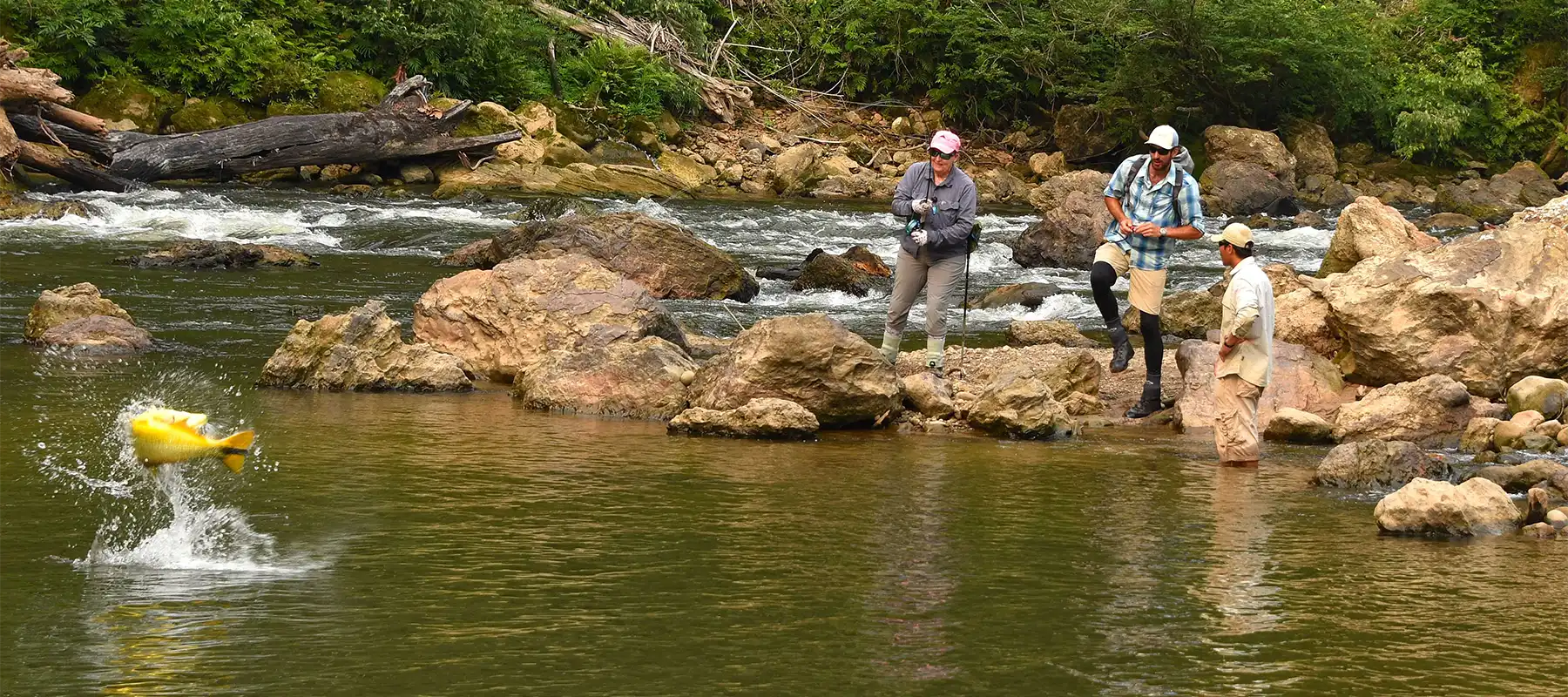
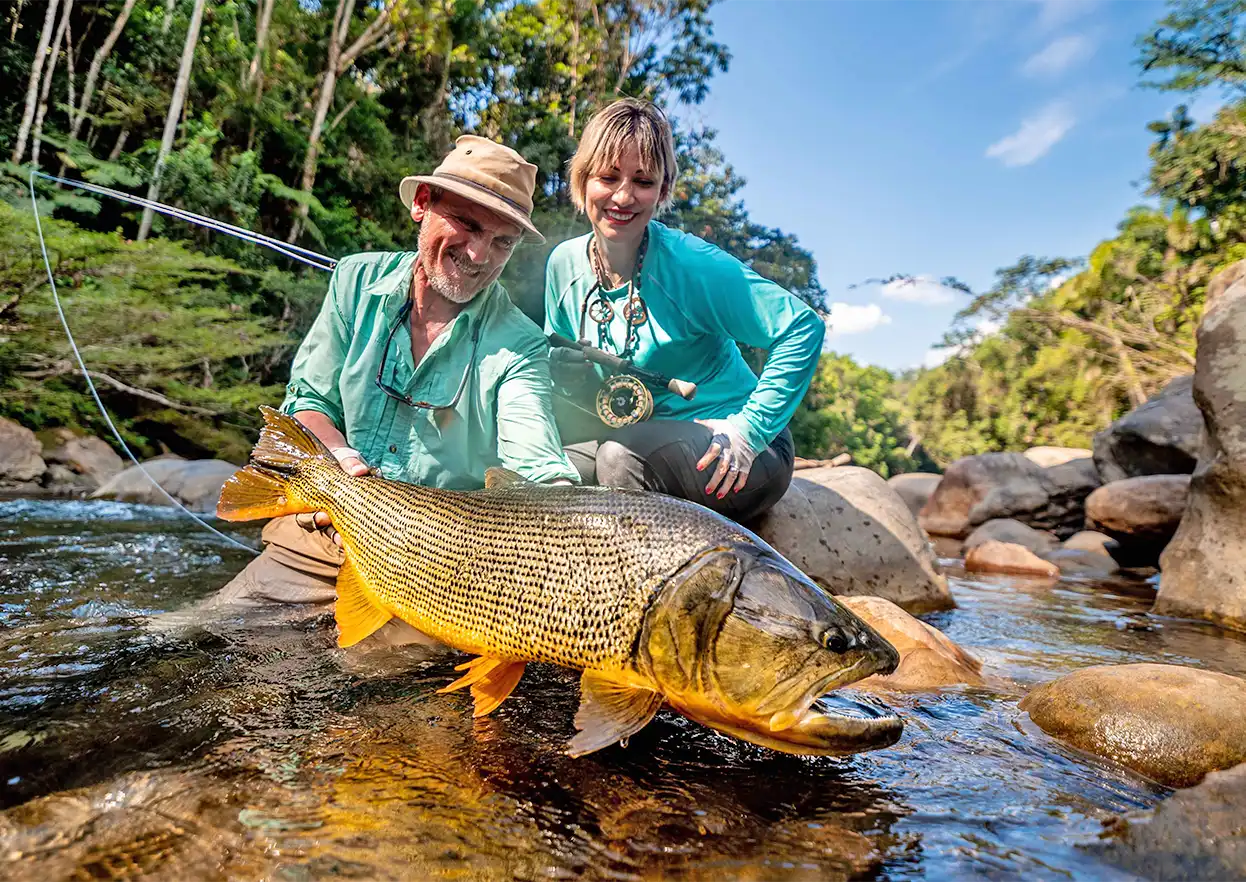
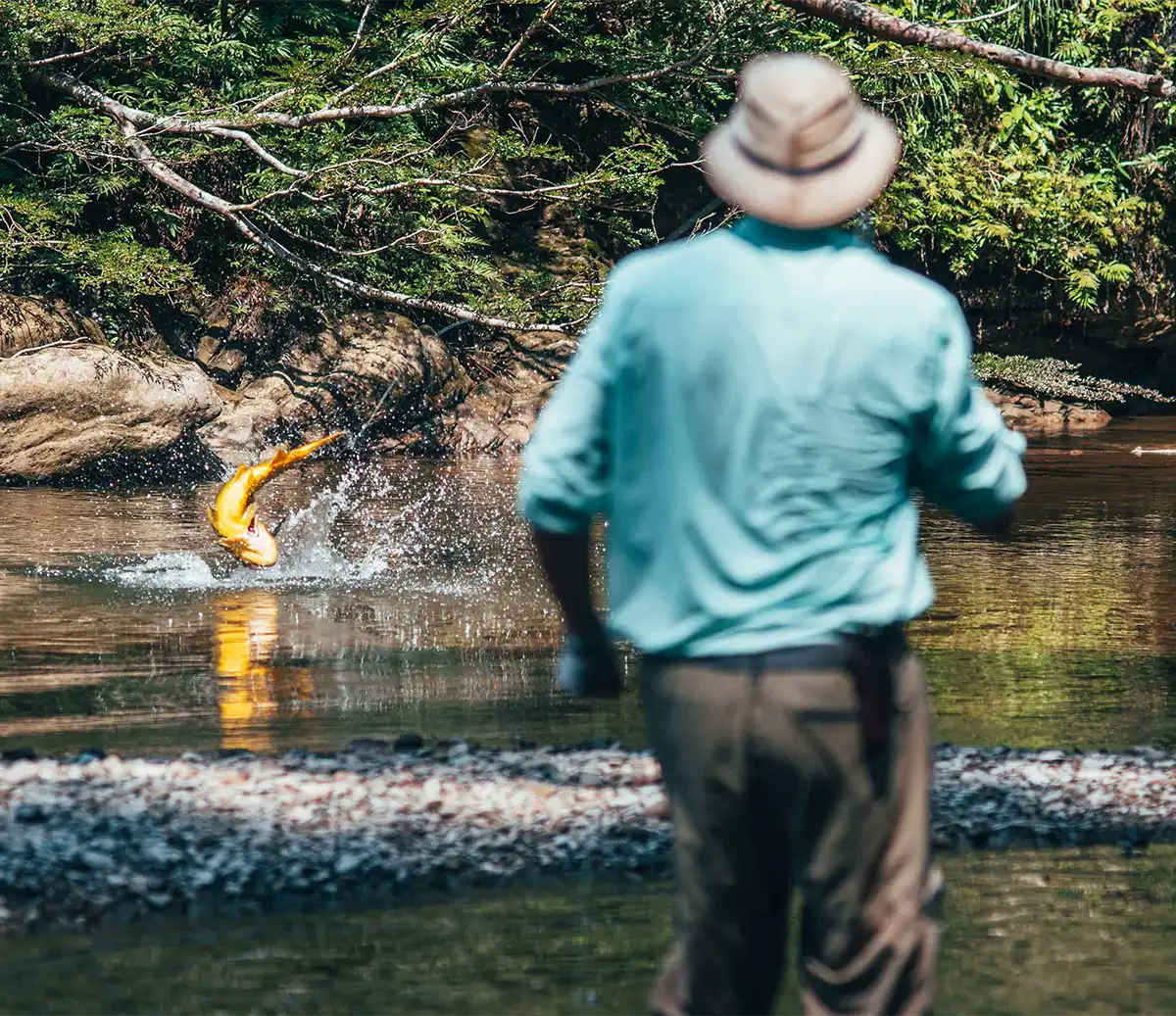
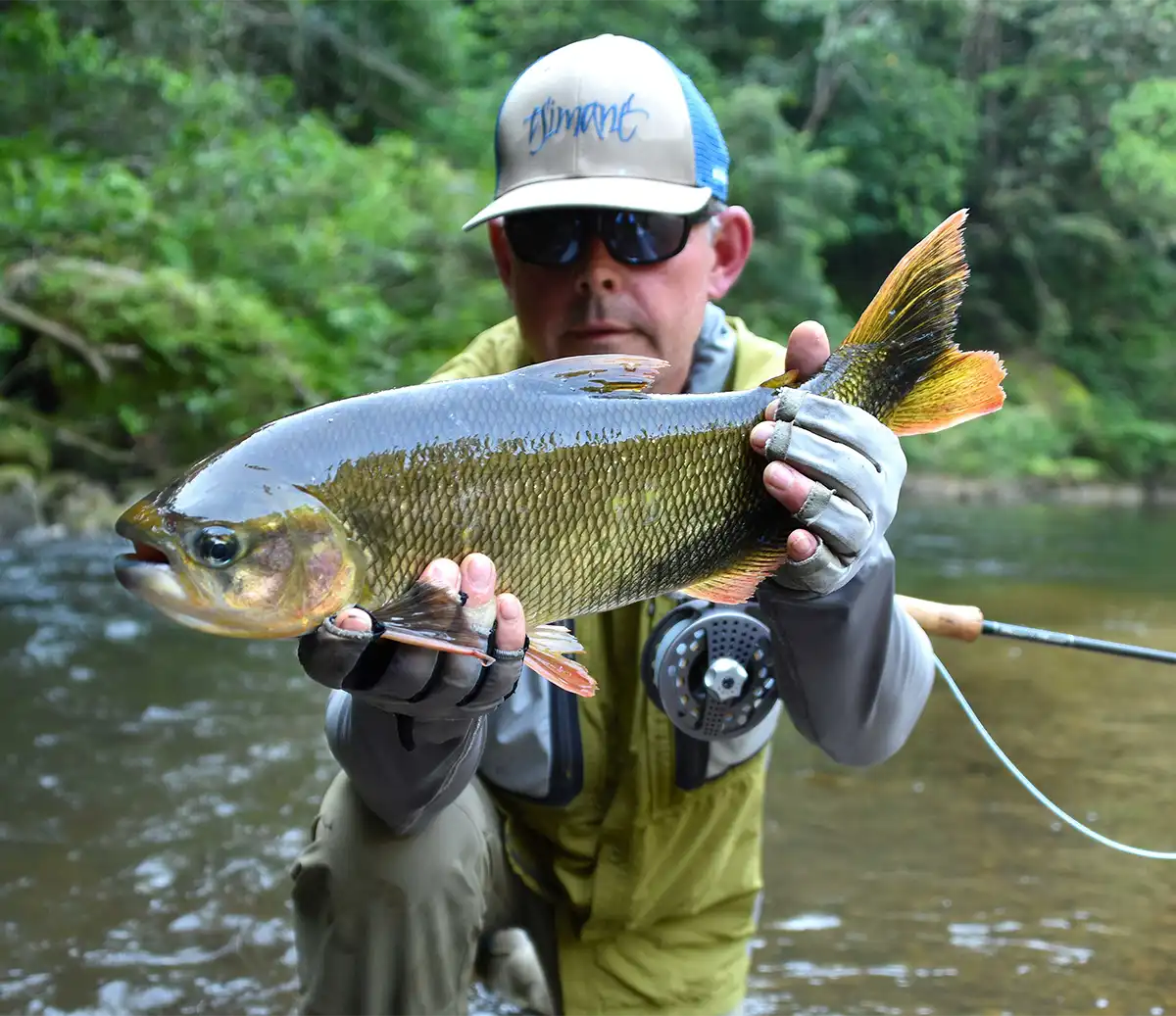
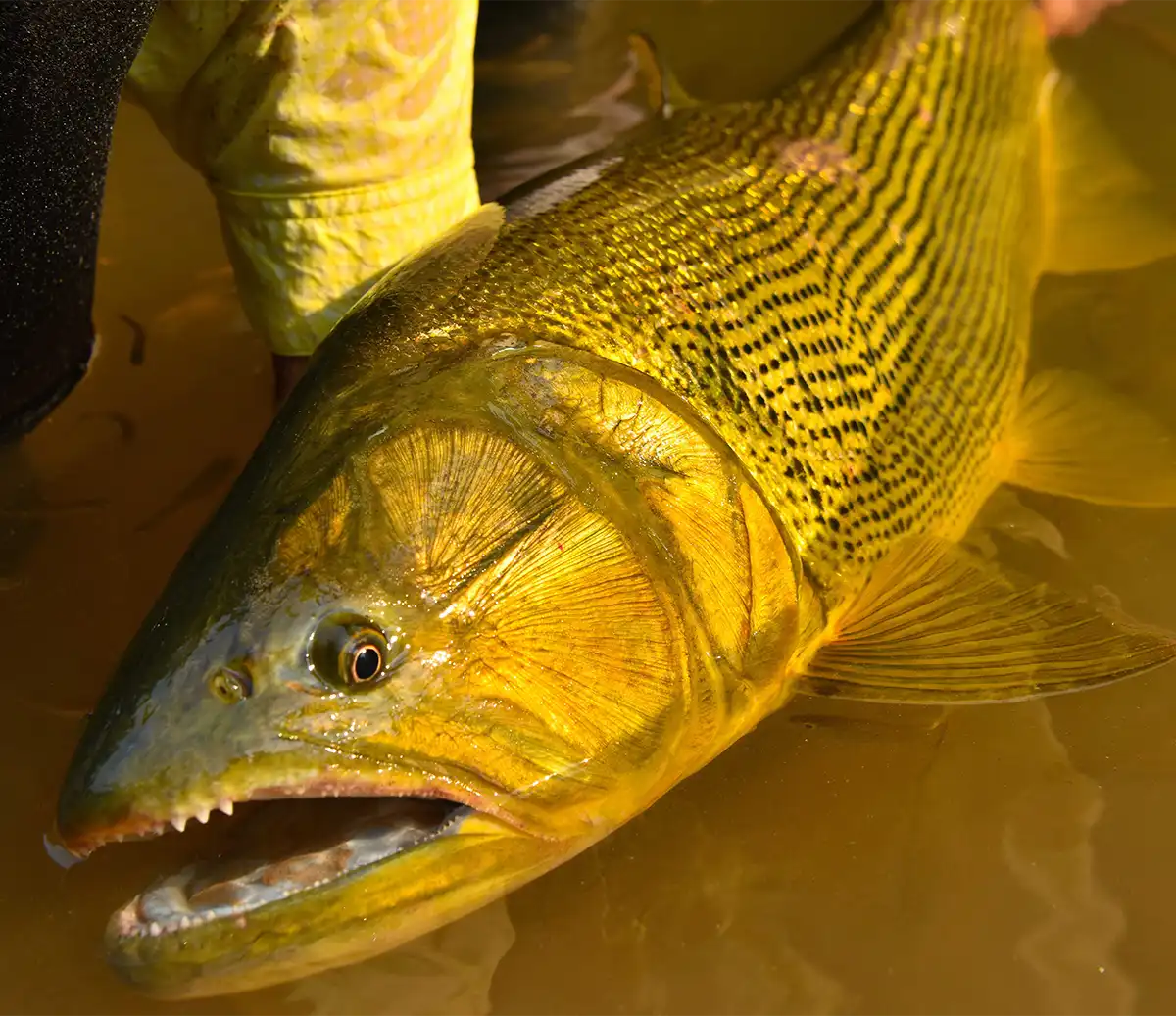
Tsimane blends, like no other destination on Earth, the best aspects of fly fishing: sight casting, freestone wading, floating lines, majestic vistas, mountain rivers with clear waters; and extremely sporting species of fish reaching very significant sizes. This has been described like streamer fishing in a freestone river for tarpon on steroids. The golden dorado are acrobatic jumpers with tremendous strength.
Each day, teams of two anglers will fish the various beats in the area. In addition, depending on the fishing, weather and river conditions, groups of 2 anglers at a time will have the option of an over-night camp on the upper sections of the Agua Negra River. This allows for extended fishing times and access to some of the most untouched, headwater sections of the stream.
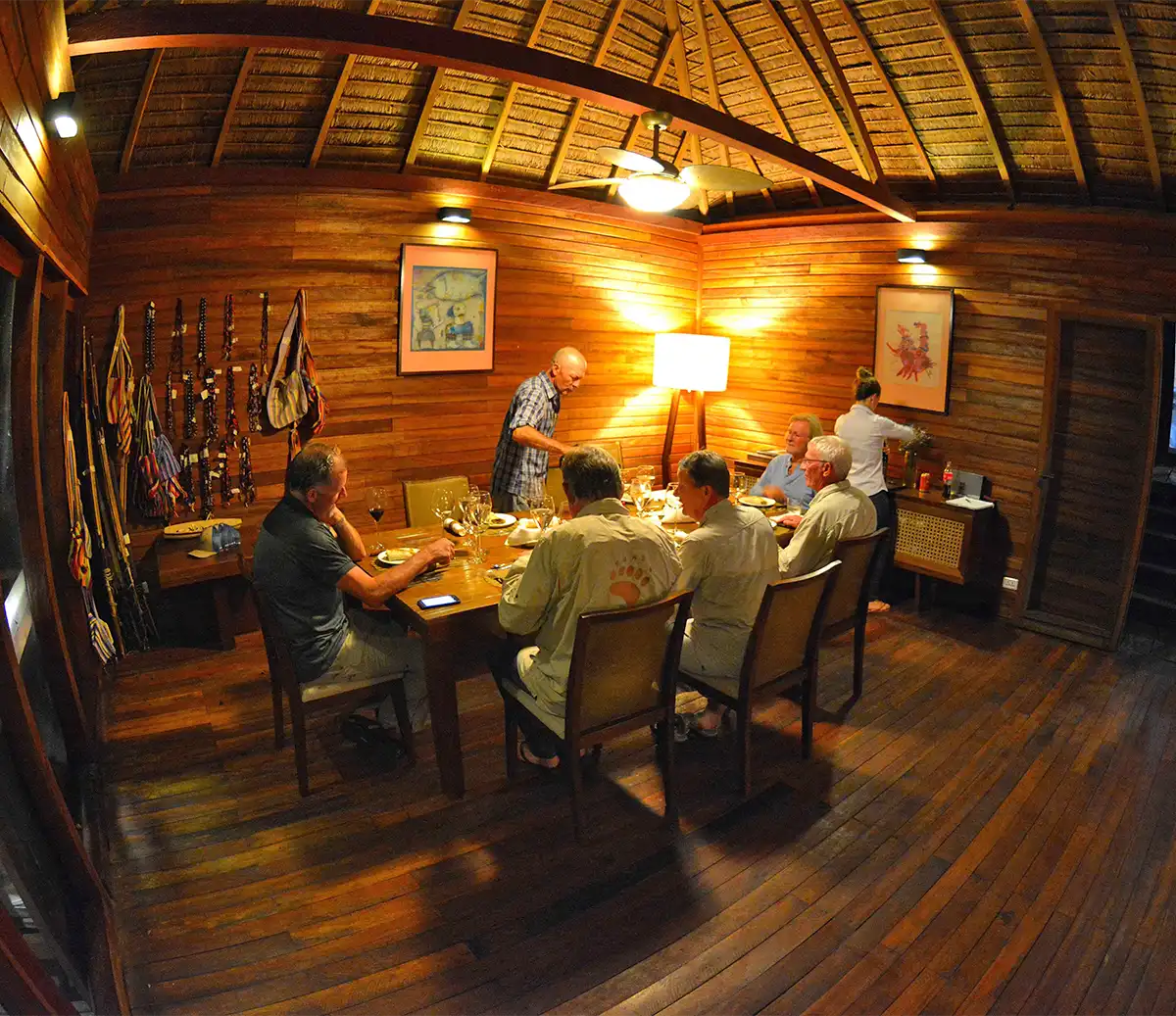
Typical fishing day: early in the morning, groups of two anglers will separate and depart the Agua Negra Lodge for the different fishing beats. It is a full day of fishing, with lunch on the fly, finally returning to the basecamp lodge in the evening for appetizers, cocktails, and a well-prepared meal.
The Agua Negra program is designed around 5 different fishing beats, which rotate every day, giving minimal pressure to the fishery. These beats include the lower, middle, and upper sections of the Agua Negra River, along with a section of the Sécure River where to two come together and the small Chimoro Creek. Some beats are accessed by boat, while others utilize a small track cut through the jungle via Suzuki 4x4 Samurai Jeeps. There is also a new out camp for those wishing to overnight in the remote upper Agua Negra headwaters. We recommend the upper outcamps only for very physically fit anglers, as all of the fishing is done walking and wading upstream and there is considerable hiking involved in reaching the upper camps. These headwater options aren’t for everyone, but allow the more adventurous anglers to extend their stay on the headwaters of these unique virgin mountain rivers, for a once-in-a-lifetime sight casting jungle experience.
The Lower Agua Negra has features similar to a typical floodplain river (low gradient) but its water is clear and runs slow. The river meanders through a river valley with numerous sandy beaches, deep runs and cover to hold strong populations of golden dorado and yatoranas. The latter can be tempted using lightweight fly rods, dry flies, and/or small streamers. The lower Agua Negra is the perfect spot to sight-cast to golden dorado during feeding frenzy activity – an adrenaline infused angling moment not soon forgotten!
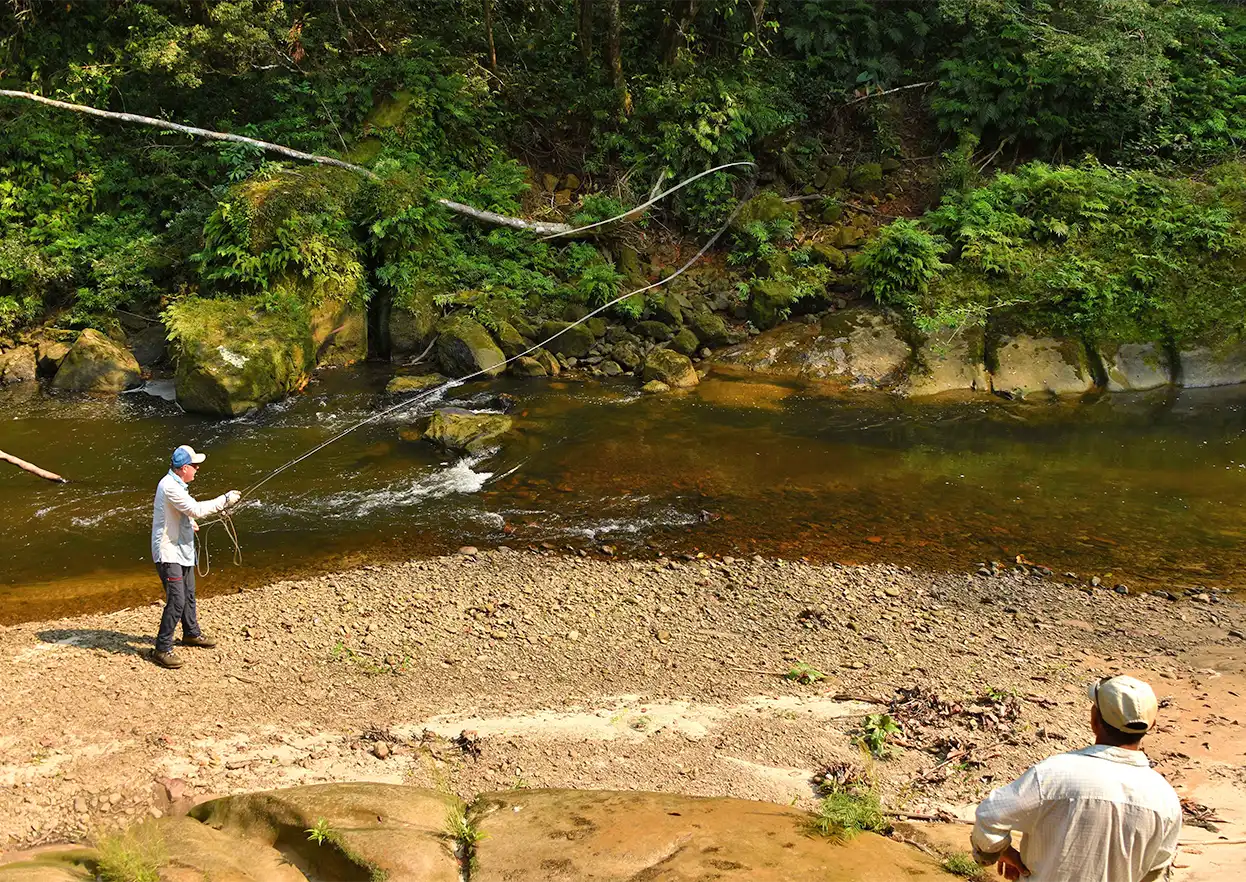
Undoubtedly, the upper section of the Agua Negra River is one of Tsimane's jewels due to its excellent number of golden dorado and pirapitingas (pacus). Moreover, the largest number of surubim (South American Striped catfish) is found in this river. This is an ideal place for those anglers that want to try and trick these powerful catfish using flies. Fishing, usually done with sight casting, is prevalent in this region where the water is extremely clear. Since these large fish often move in schools, double hookups are frequent. Fishing in this section of the Agua Negra is done by walking upstream and sight fishing in low waters and prospecting for fish in runs and deep pools. To be successful on these waters you must use a floating line, long leader and delicate presentation.
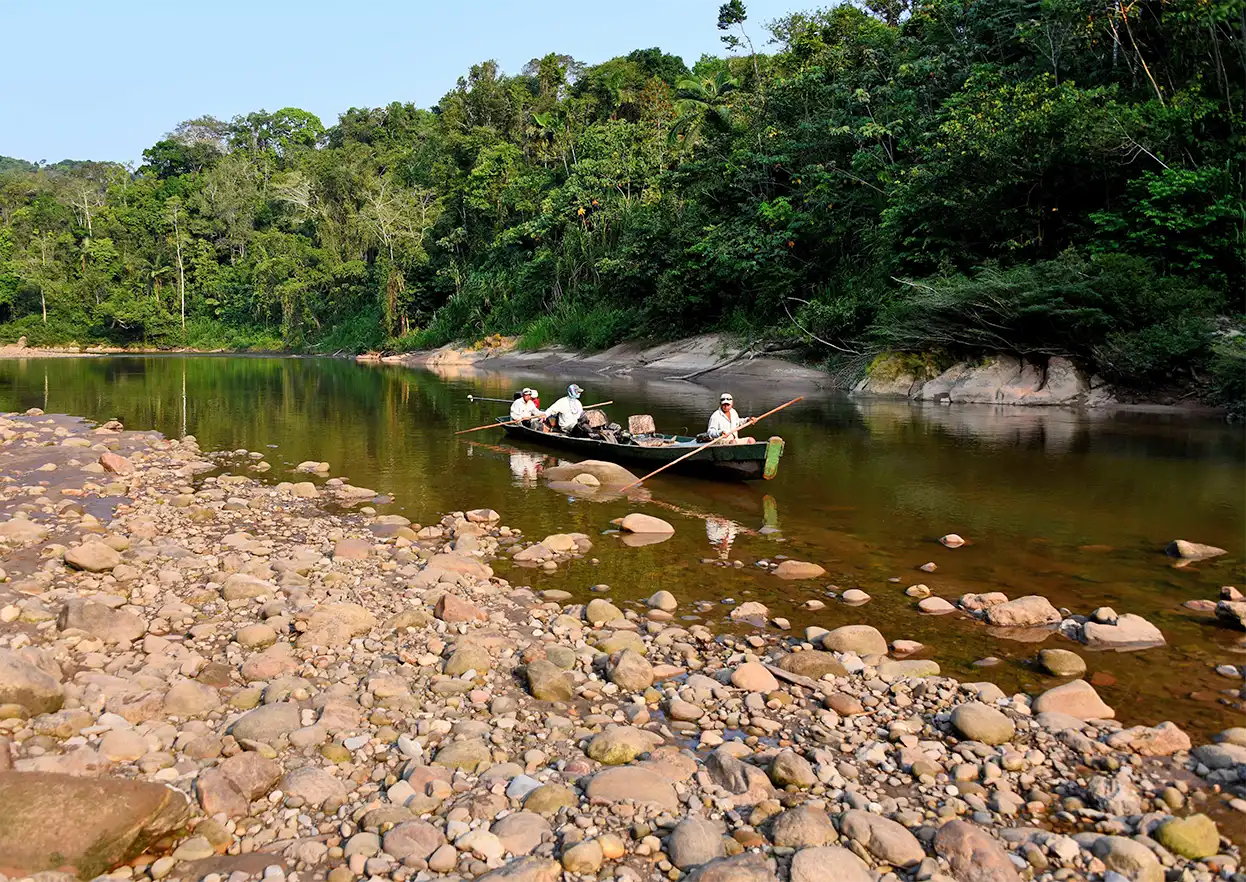
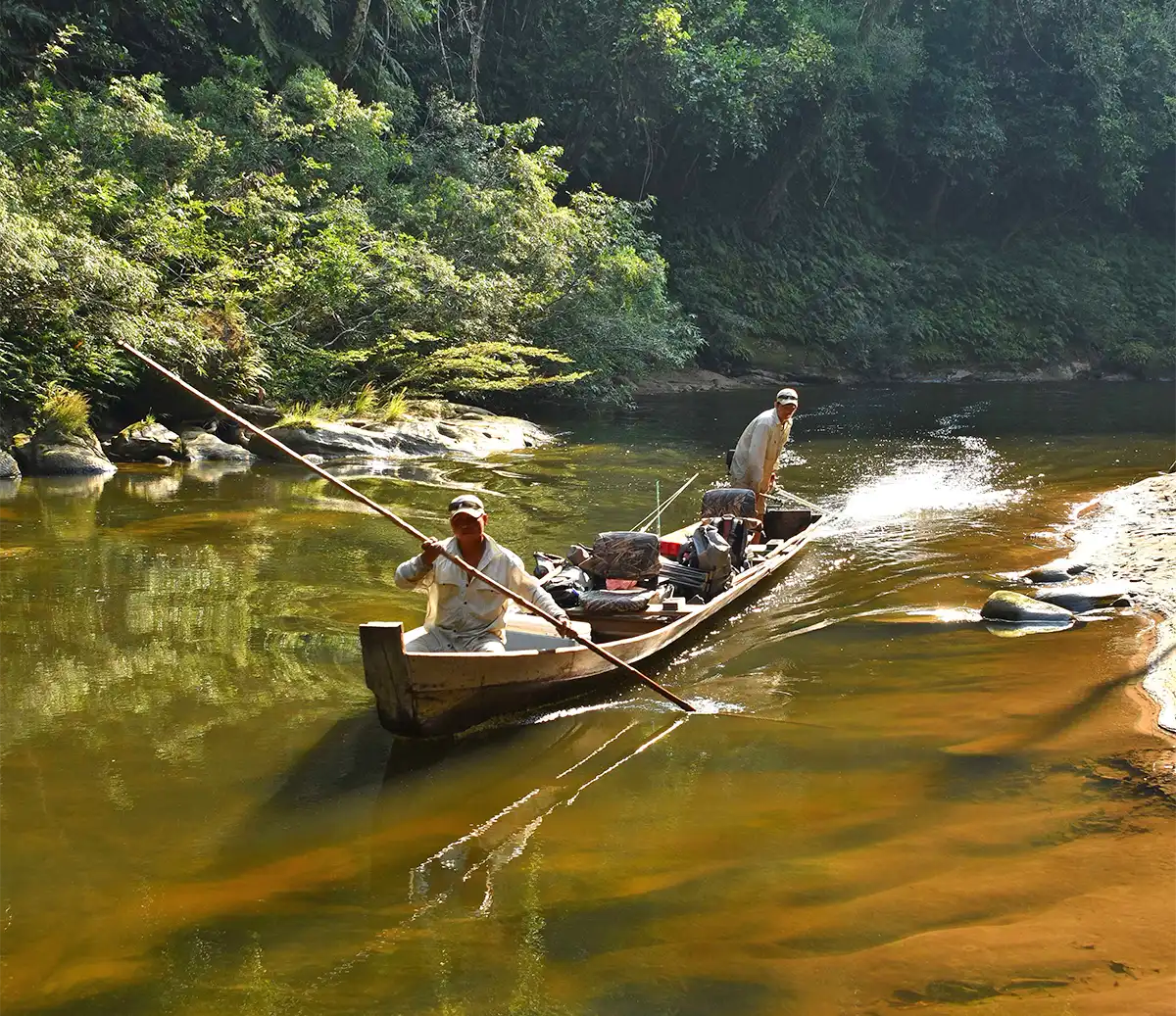
Sécure River - the middle sector of the upper Sécure River runs from the Ushwea village to the confluence of the Chimoro and Sécure Rivers. The fishing here is carried out by wading downstream and the means of transportation is with dugout canoes, poled or powered by small outboard motors. The middle section of the Sécure River is shallow and open, similar to the rivers further down on the flood plain. Its clear waters gradually become stained due to tributaries that sweep sediments from the high plateau. More and more logs and fallen trees are found in the typical stone structure of the Sécure. The logs, sunken trees, and subsurface structure are the perfect ambush points for a large number of really large golden dorado. The highest concentration of sabalos (the main forage fish in these waters) can be found here, resulting in feeding frenzies of packs of ravenous dorado at times.
The attraction of Agua Negra and the magnificent golden dorado that roam its waters is more than just great fishing.
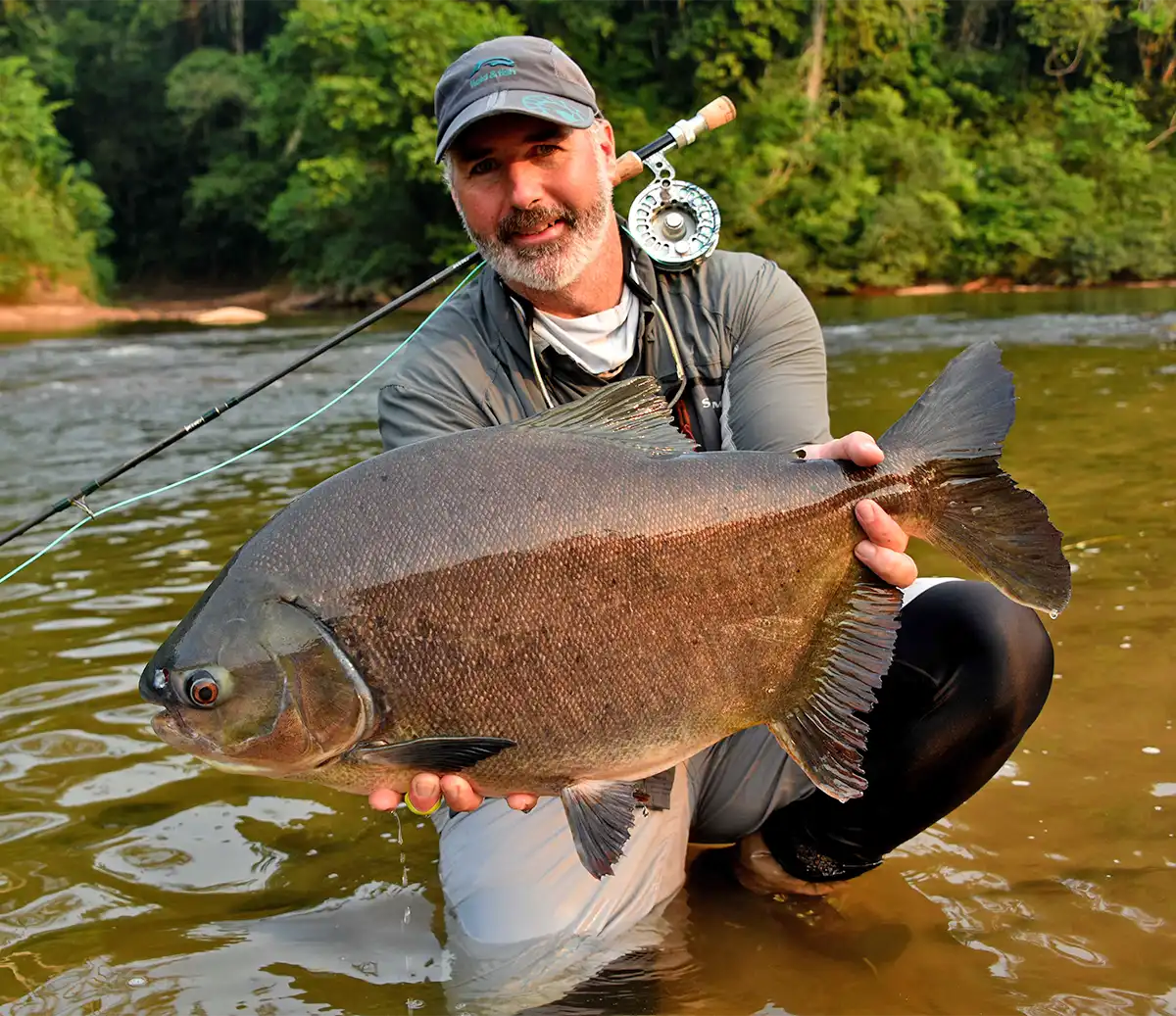
Besides the dorado (the king of the river) there are other species to pursue, such as pacu (our jungle freshwater permit) and yatoranas. Together these species make a trio very difficult to match in warm freshwater fly fishing. The rivers we fish are very similar to freestone trout rivers with similar looking pools, runs, pocket water, and riffles. If you are a good and pragmatic trout angler, you will feel comfortable reading and fishing these rivers.
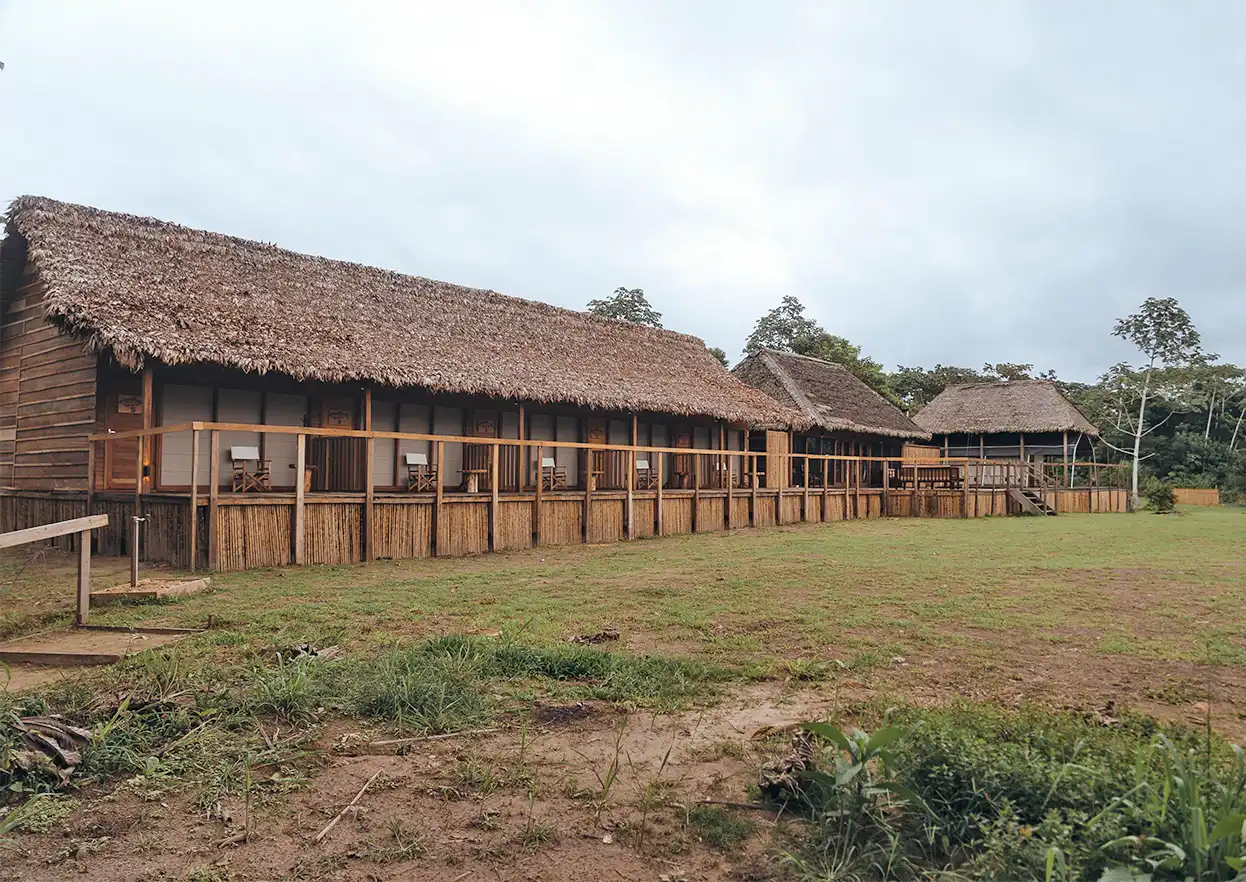
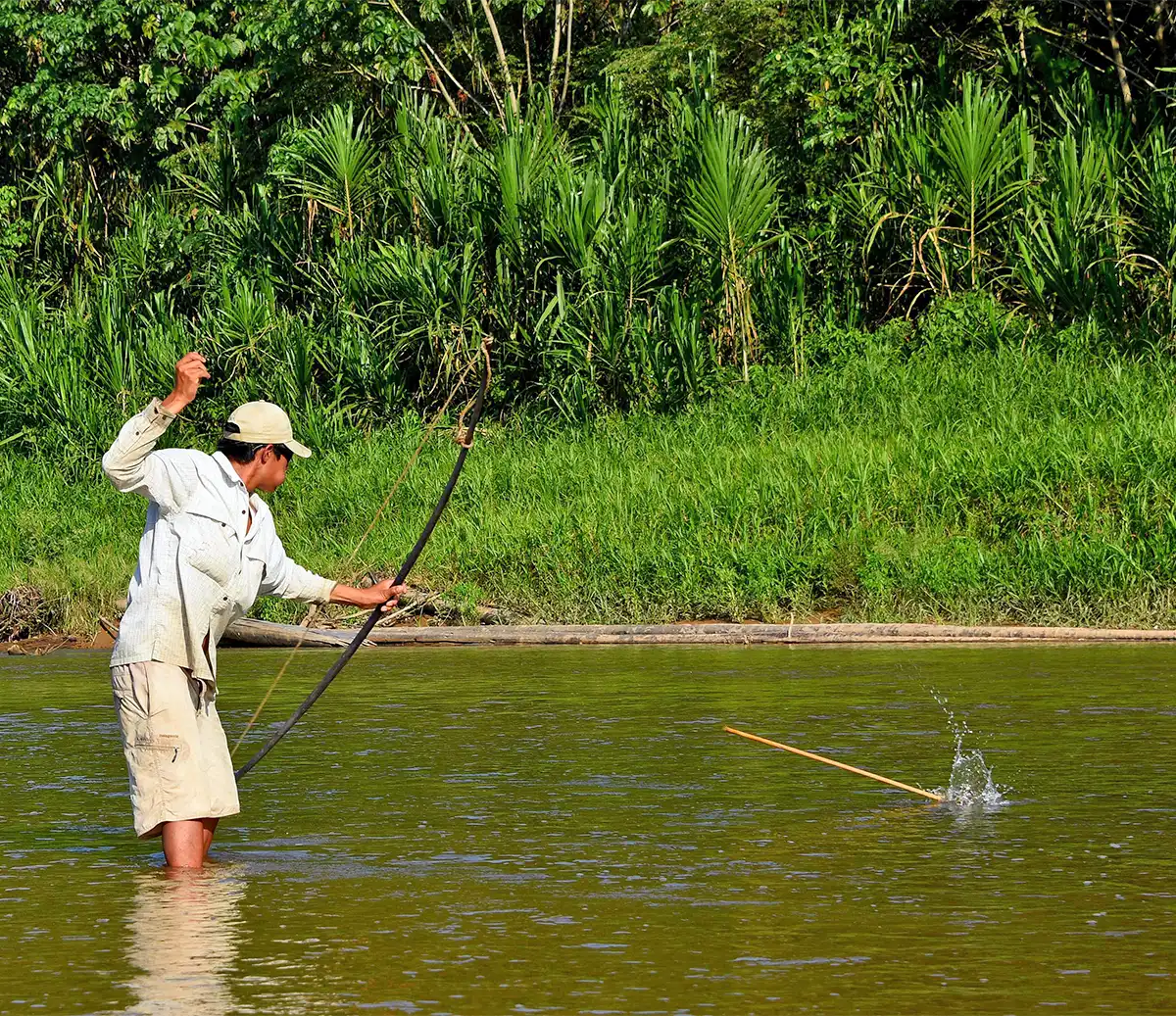
Every week, groups of only 4 anglers will enjoy comfortable wilderness lodges which offer outstanding international cuisine. They will set off every morning in locally constructed dugout canoes, specially developed for this environment and led by an expert dorado fly-fishing guide and two native assistants from the local Tsimane tribes. Indeed, the interaction with the natives is one of the most fulfilling parts of the Tsimane experience.
Fishing in these rivers, regardless of the huge populations of fish, represents several challenges for the angler. These fish can be spooky in such small and clear water and every pool and run must be thought-out and a plan developed with your guide before casting a fly into it. Dorado are very fast swimmers, super aggressive and flies must be placed not only with accuracy but also at the right time. Anglers who are able to shoot 60 feet of line with one or two false casts will have a big advantage. Being able to double haul in order to generate line speed will be a huge advantage. The flies we use are generally quite large and most anglers find it difficult to cast them accurately, with distance – in a hurry. We encourage guests to practice in order to get familiar with their equipment, flies and lines.
It's also worth noting that it is important to go light, carrying what you need in your shirt and pants pockets; a few flies, a spool of mono and wire is all you need with pliers on your waist and nothing else. Leave the rest of the gear in the boat, which will always be located close by in case you need something out of your kit.
Setting The Hook:
Golden dorado, yatorana and pirapitinga have extremely bony and hard mouths. A low rod strip-set is the only method that consistently buries the fly hook into these fish's mouth, just like a tarpon set. If you are not familiar with the strip-set, it might take some getting used to.
Catch & Release:
Tsimane practices a strict catch and release policy on all species. Avoid unnecessary handling of the fish. Barbless hooks are mandatory. Handling these fish requires special precautions, not only to avoid harming them but also to prevent injuries to anglers. All of these fish have very strong jaws and razor sharp teeth. And they know how to use them.
Wading:
Most of the fishing at Tsimane is done by wading in the river or fishing from the bank. The river structure varies tremendously, from sandy and small gravel beaches to sharp volcanic rock shoals transitioning through all kind of freestones and boulders. There is a lot of walking, so we recommend guests to at least do some walking/running the weeks prior to their visit to prepare and get in shape.