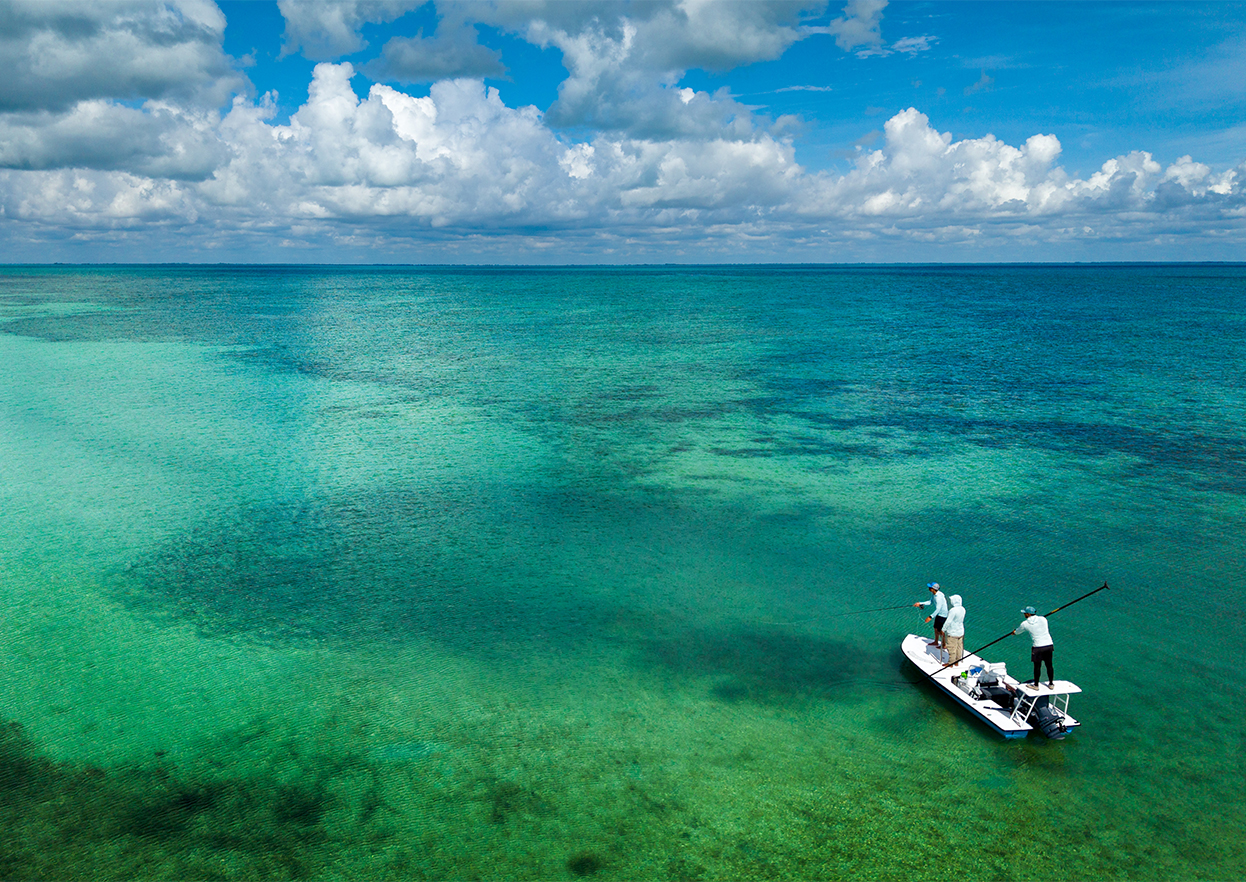
There are many reasons to choose one season over another when fishing at Espiritu Santo Bay (ESB) Lodge—vacation schedules, escaping cold northern winters, or targeting specific species. Regardless of when you visit, weather influences shallow-water sight fishing more than any other factor. Typically, over 90 percent of the fishing at ESB is sight fishing in clear, shallow water.
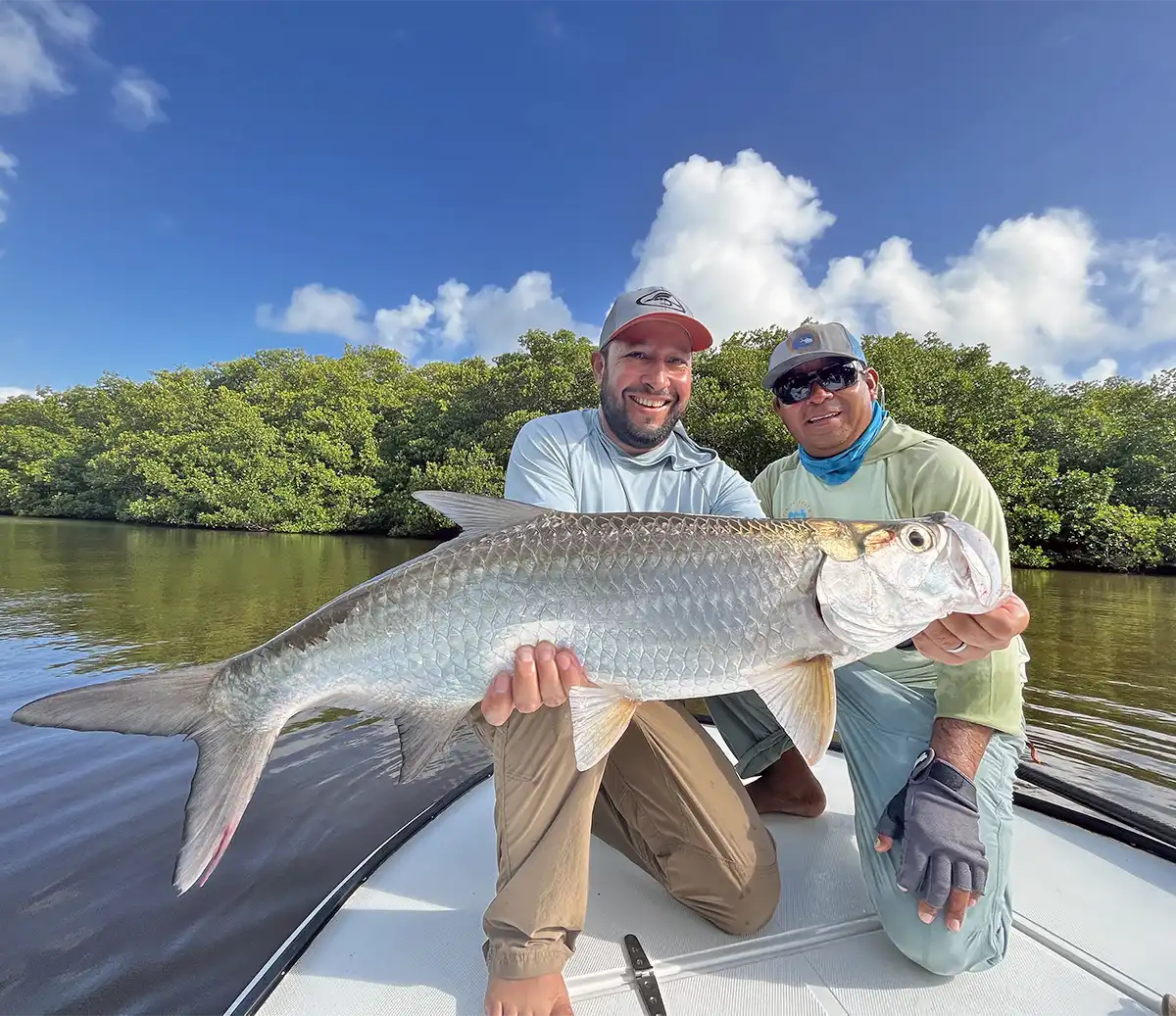
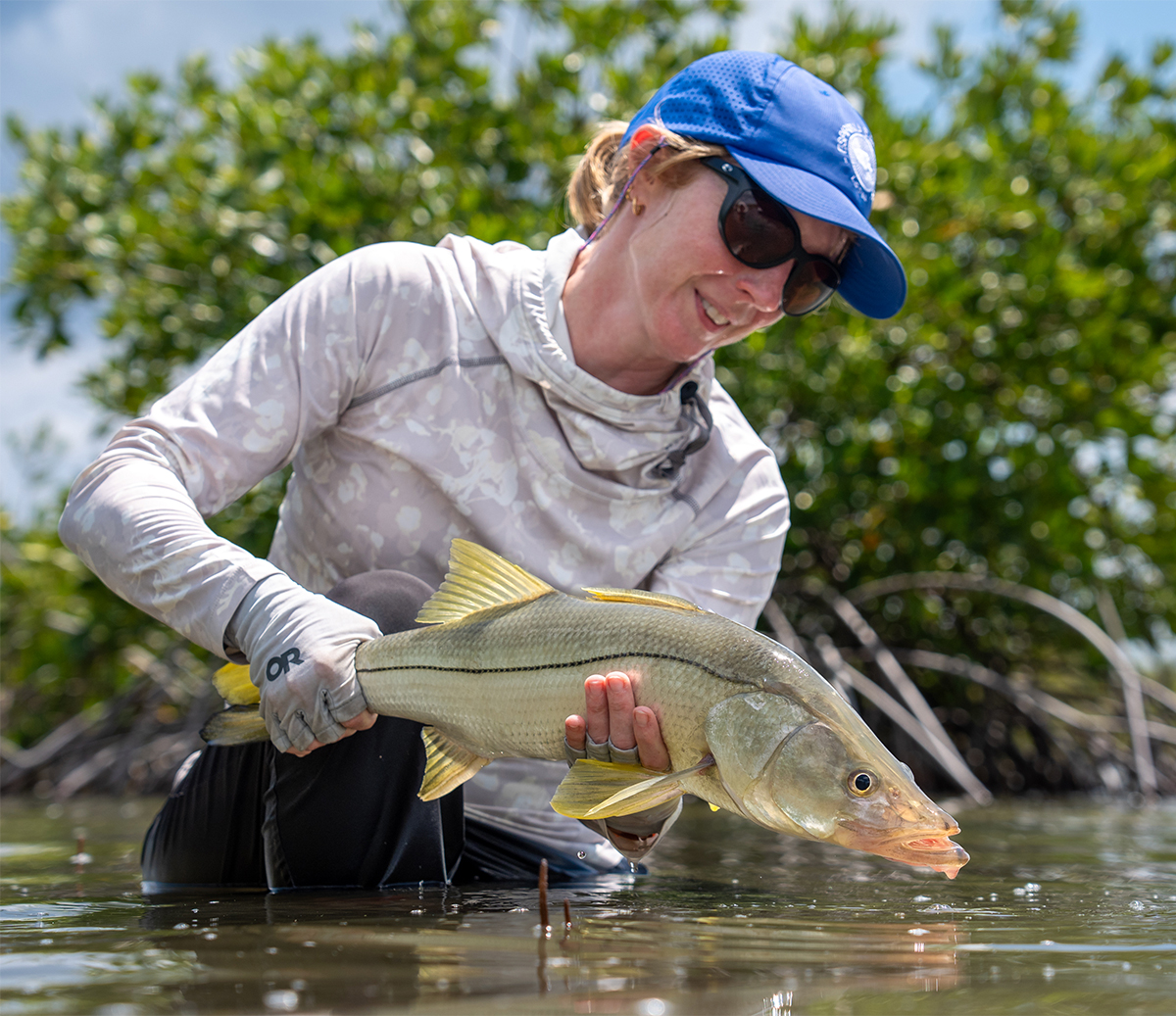
During inclement weather, your guide may suggest blind casting along mangrove shorelines, backcountry lagoons, creeks, and back bays. While not classic sight fishing, it can be extremely productive and exciting. Snook often suspend in the shadows of overhanging mangroves to ambush prey, while tarpon cruise in and out of root systems. Strikes are sudden and explosive, leaving the angler to pull a determined fish away from the roots.
ESB guides possess extraordinary eyesight, often spotting fish in seemingly impossible conditions. When visibility drops, working closely with your guide becomes essential. By following their exact casting and retrieval directions, you can successfully navigate challenging weather and maximize your success.
Winter (January and February):
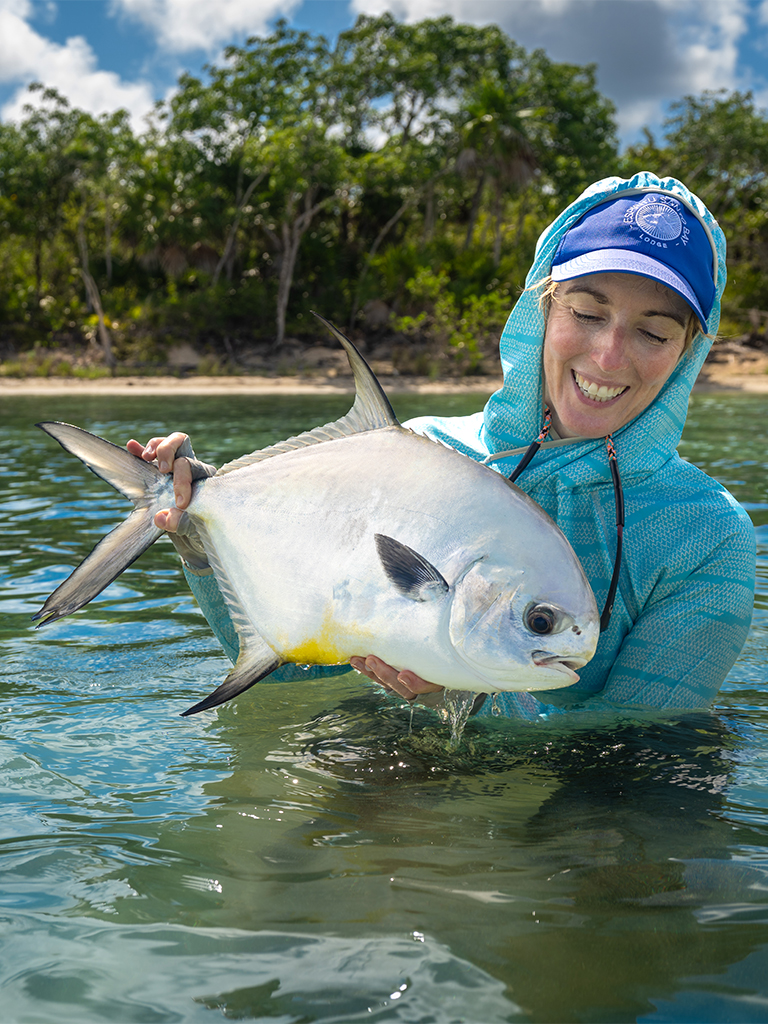
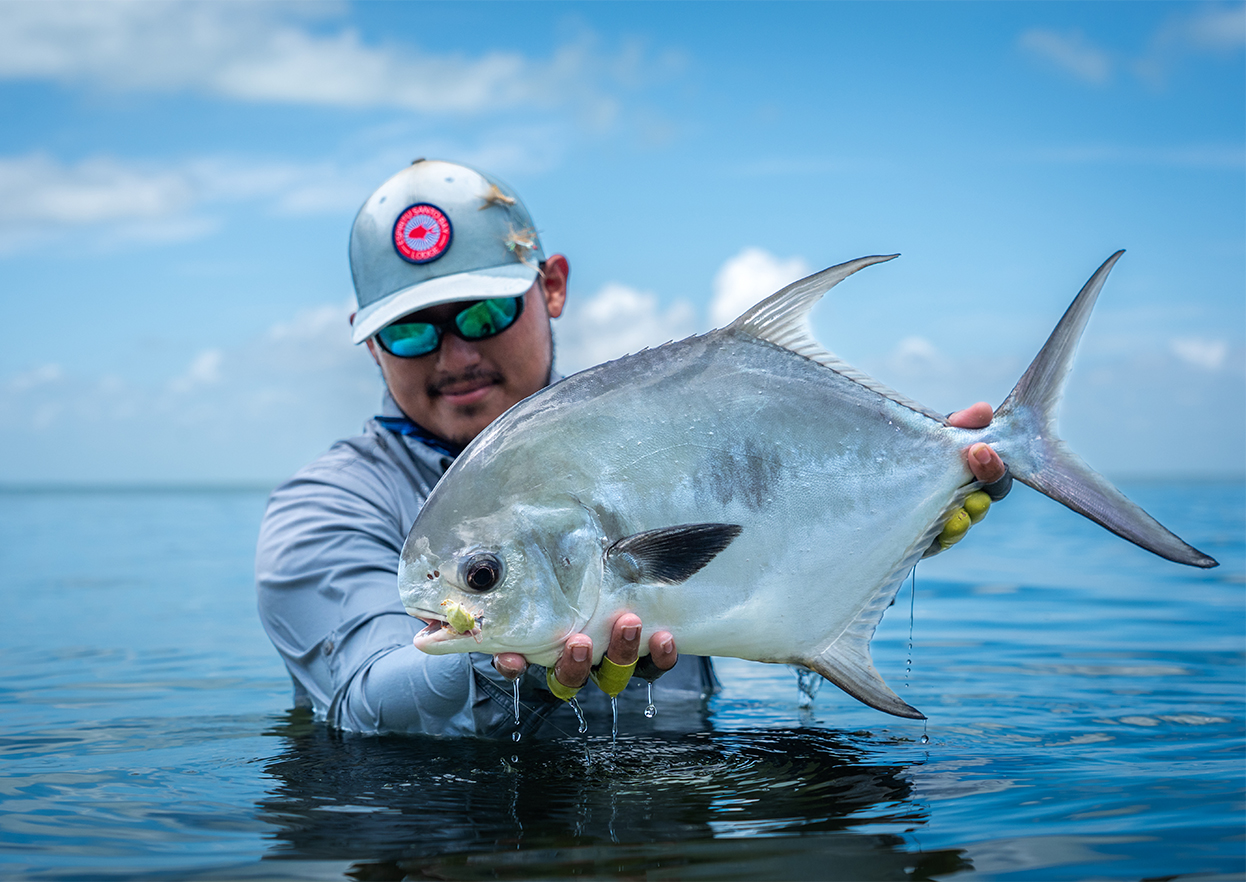
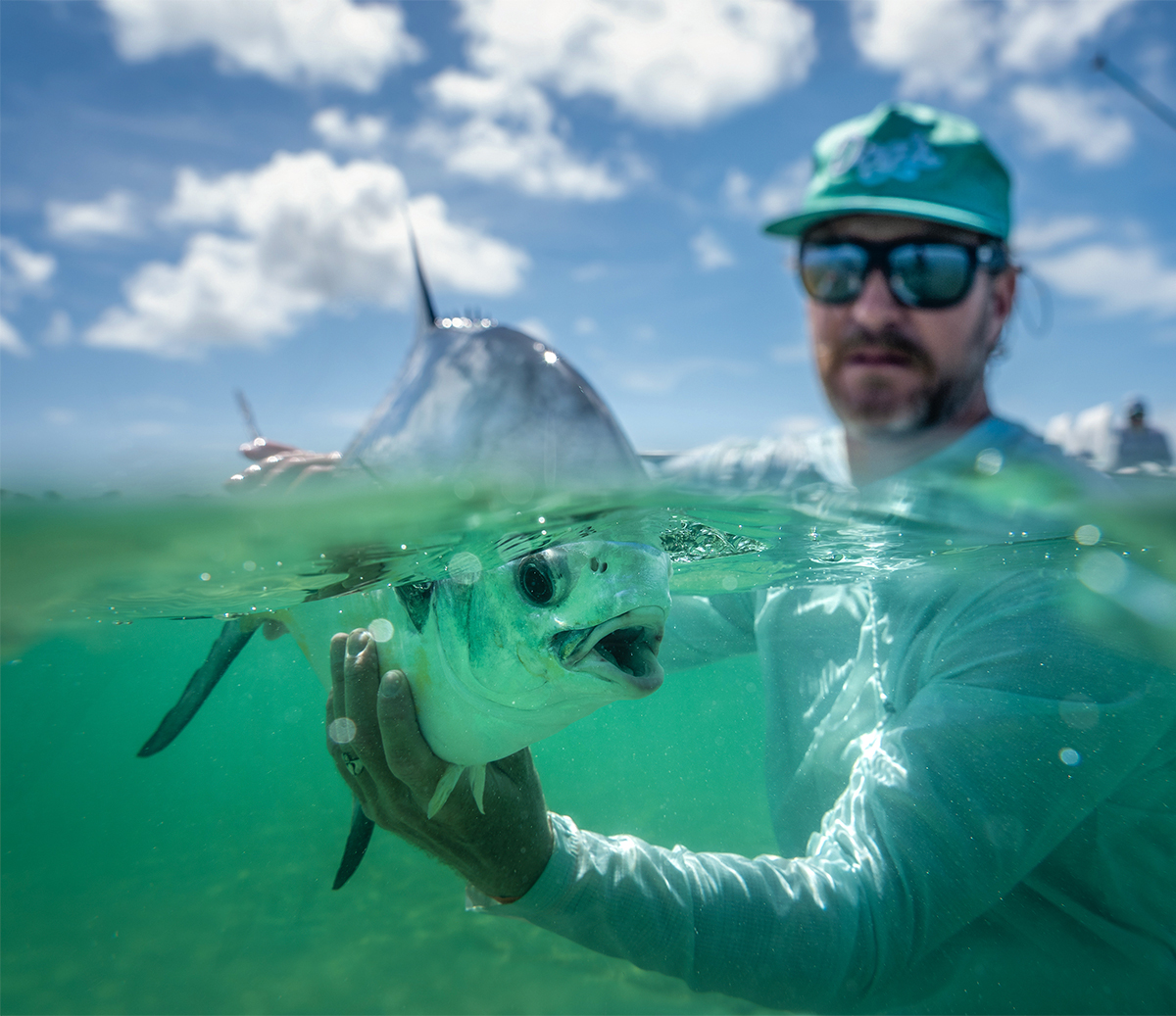
While snow and ice line the banks of your favorite river in Montana, you can fly south to the Yucatan and wet wade the flats in comfort. The occasional cold front crossing North America may still send a chill down from the north, but the water temperature on flats warms up quickly in the tropical sun, and the bite after the front can be off the charts. Snook warm themselves on the flats on sunny afternoons, and permit eat crabs and mantis shrimp like it’s their last supper.
Spring (March, April and May):
One of the most predictable seasons at ESB, with long sunny days and a shift towards the typical south east wind pattern. The cold fronts have all but disappeared, and if they do pass through, they are typically short lived. The warm south-east trade winds are the norm with sunny, clear-sky days, perfect for sight fishing. All of the flats fishes are fat and sassy by now. The creeks, back bays and lagoons should be clear with excellent fishing for snook and tarpon. There could even be some migratory tarpon moving into the bays and along the Oceanside between the shore and the reef. The permit are happy in the bays and are available in schools, singles and doubles.
This is saltwater flats fishing, and there will be wind. But please remember, the wind is your friend. It’s much easier to present your fly to a fish in skinny water when the surface is lightly ruffled by the wind, than to land a fly in front of a bonefish or permit in slick glassy conditions. If this is your first time to the flats, you will significantly increase your success by taking a casting lesson from an instructor who has saltwater experience, and practicing your double haul before the trip. This is a game of accuracy, and you should be able to place your fly on a dinner plate at forty feet in the wind with three false casts.
Spring is the most popular time for saltwater flats destinations, and making your ESB Lodge reservations well in advance is strongly suggested.
Summer (June, August and September):
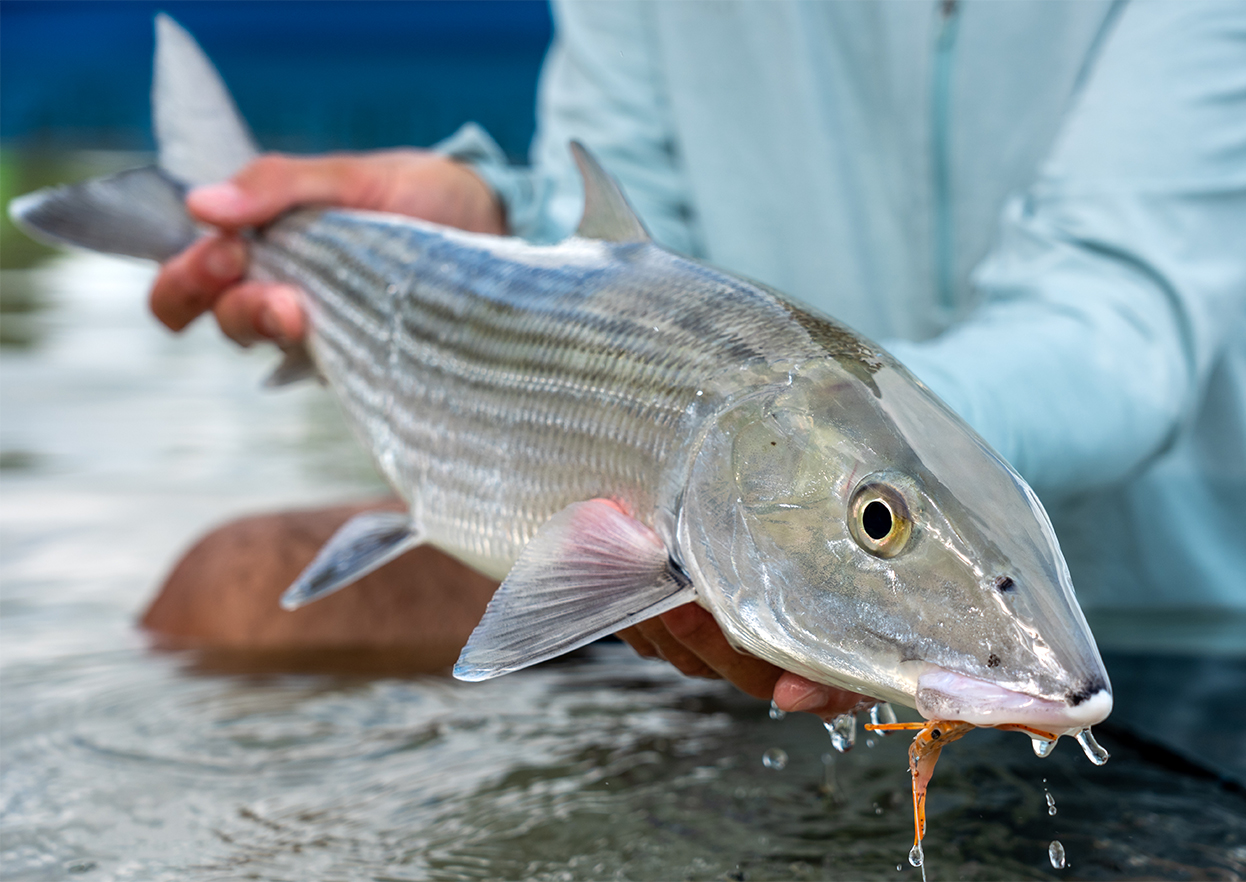
Summer can be some of the best fishing of the year, with lots of daylight, consistent water temperatures, and generally mild south east winds. The bonefish and permit are feasting on the flats with far fewer anglers on the water. Permit in this region are in their post spawning phase during August and September, and anglers often post their highest success rates for this notoriously finicky gamefish during these months.
There can be strong winds, rain and clouds associated with localized tropical storm cells, but it usually lasts only a short time, quickly returning to light winds and sunshine. Hurricane season officially begins June first and continues through November. With modern forecasting methods, we will never be surprised by a hurricane. They begin to be tracked off the coast of Africa, monitored twenty four hours a day as they move to the west. We will always know well in advance if a hurricane threatens, and will take appropriate actions as needed. Trip insurance is always advised, especially during the summer season. That said, our saltwater specialist, Eric Ersch, who lived there a couple of years while managing Paradise Lodge with his wife Lana, chooses this as his favorite season to fish ESB based on the terrific fishing opportunities.
Fall (October and November):
This season may be the most pleasant time of the year to fish, and the sight fishing for snook on the flats can be unbelievable. The air temperatures are very comfortable as the autumn sun slides toward the southern horizon. Sometime in mid to late October, the weather will start to change and begin to cool.
Snook spawn during the new and full moon phases in the mouths of bays and passes during June, July and August. Their post spawning phase sends them hungry and feeding on the flats of ESB. It’s not uncommon to find them in small schools on the flats, sunning themselves in very shallow water. Fall is absolutely the best time of the year to sight fish for trophy snook on the flats of ESB, and the numbers and size will amaze you. This is your opportunity to hook them in open water, without giving them the advantage of shredding your line and leader in the barnacle encrusted mangrove roots they typically call home.
The creeks and the bays are a joy to fish. There have been relatively few anglers on the waters and the fish are comfortable. The weather is the real key to this season. The fish are willing and the weather is good, and the fishing is great.
“…give me three days of consistent weather (no matter what it is) and we will show you great fishing…” – Dane Emerson owner ESB Lodge