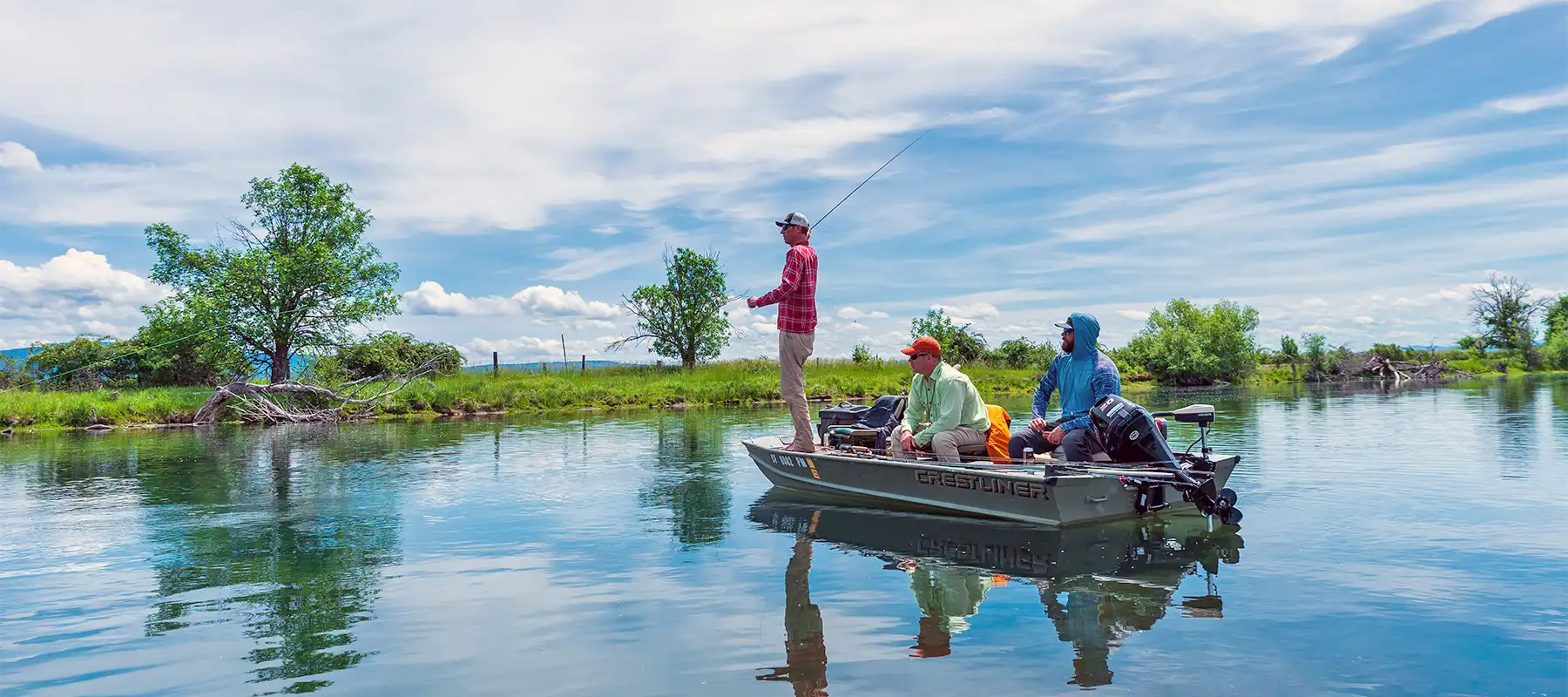
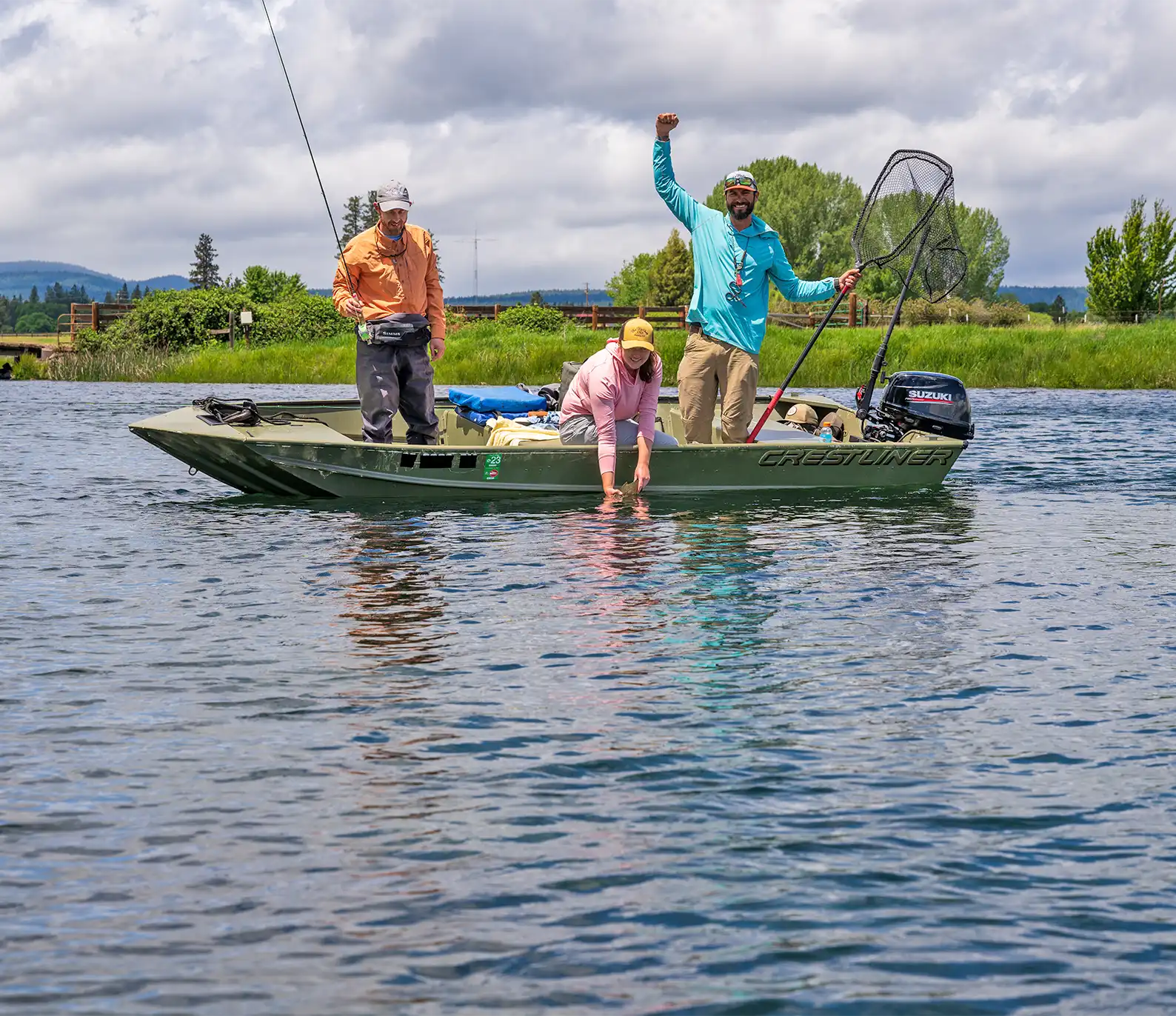
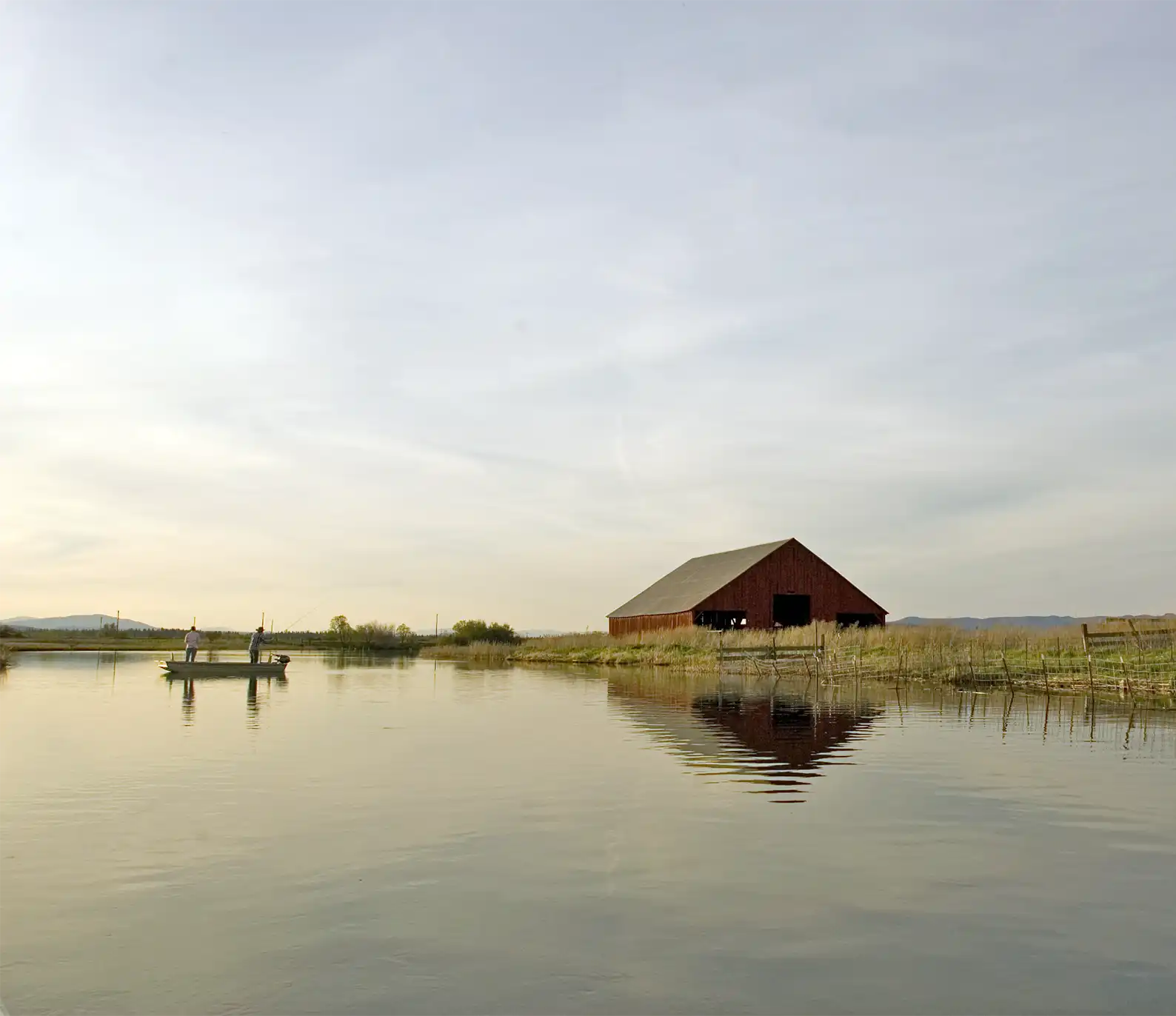
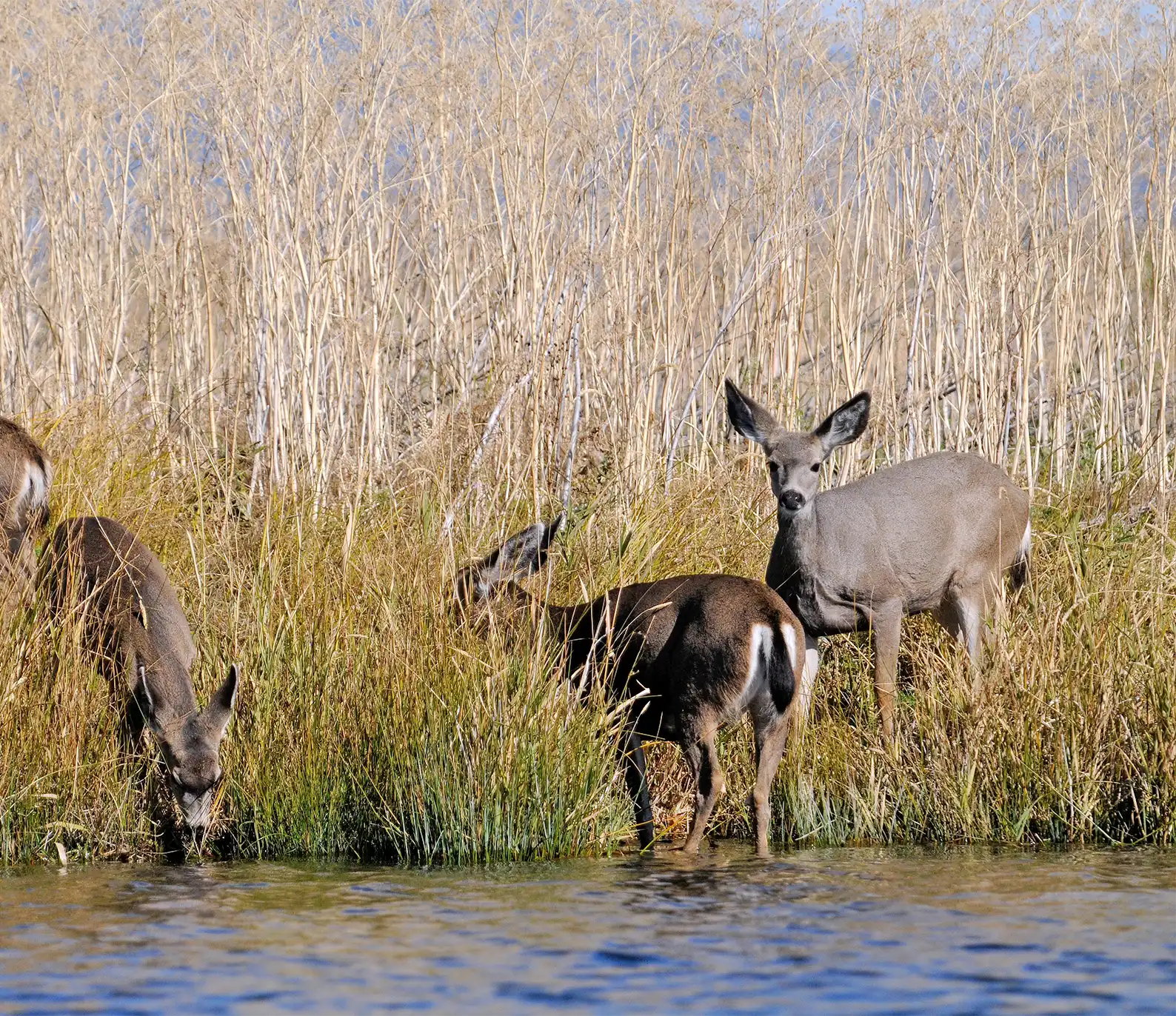
The Fall River is now open to fishing year round.
The Fall is a spring creek, its flows mostly un-impacted by runoff, running clear and cold consistently almost every day of the season.
May through Mid-June:
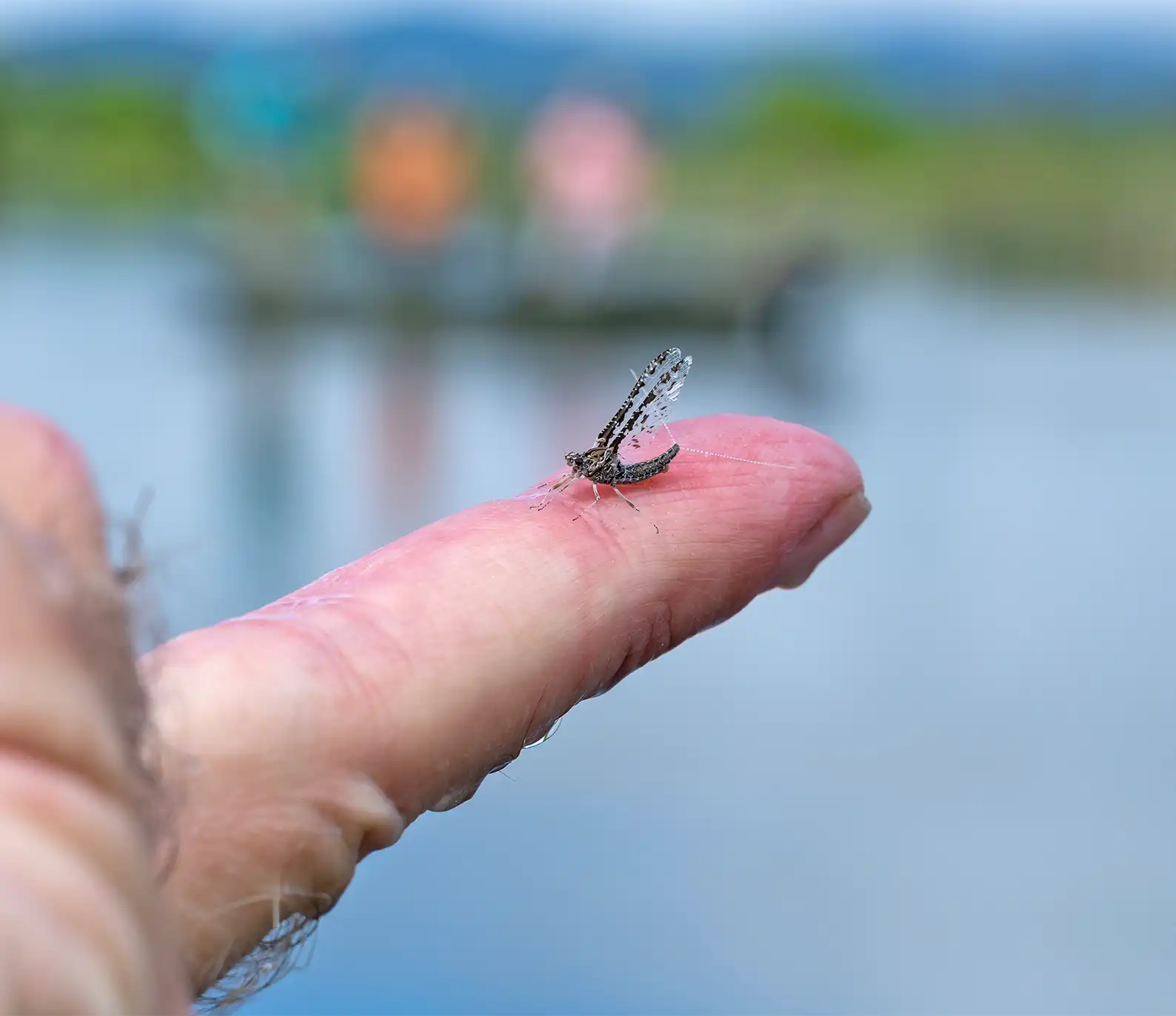
May and June are generally considered the "prime time" months on the Fall River because of the daily morning and evening hatches and profuse spinner falls. The largest spinner fall on the river is a heavy hatch of PMDs that begin to hatch in the morning and fall spent to the river and drift placidly down to pods of rising trout throughout the middle of the day. This epic PMD spinnerfall hatch occurs near the headwaters of the Fall upstream of Island Road Bridge.
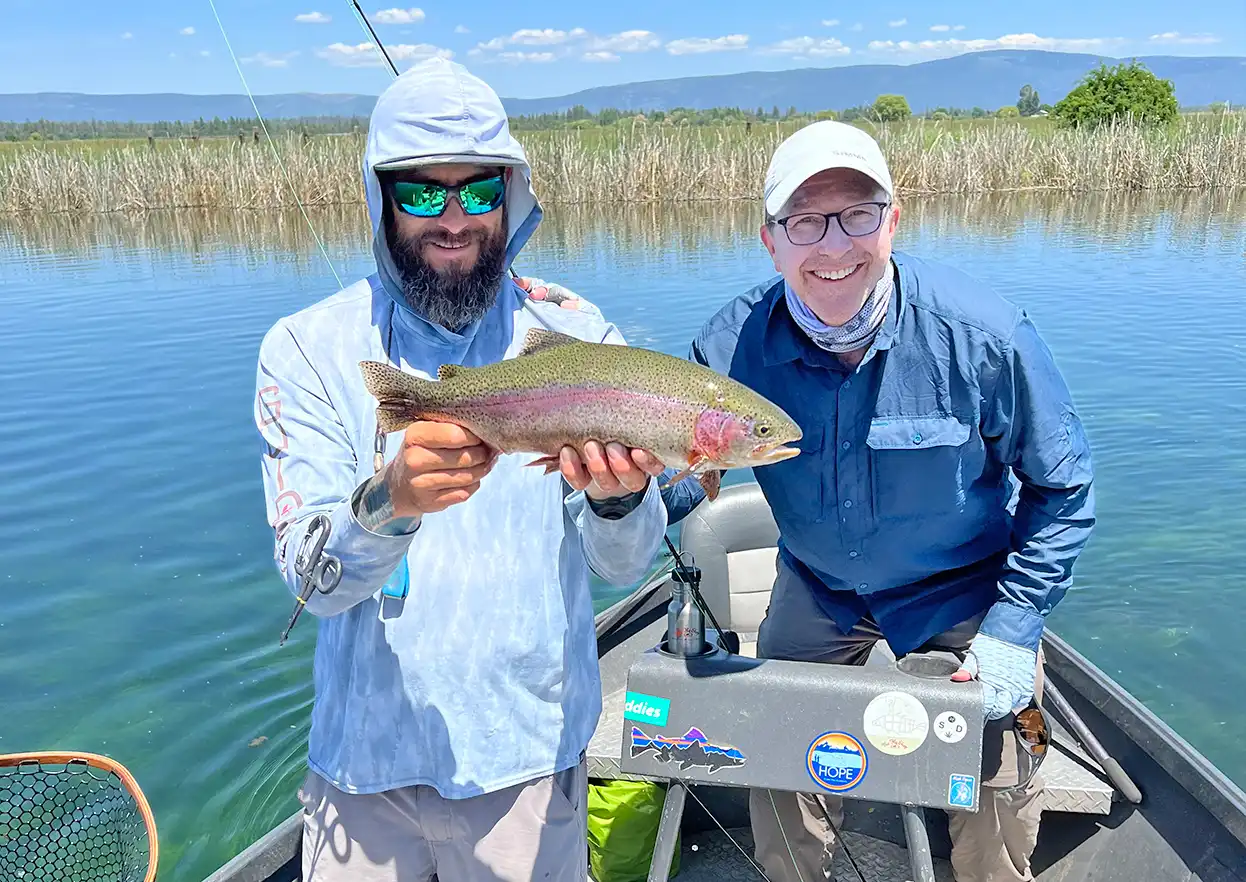
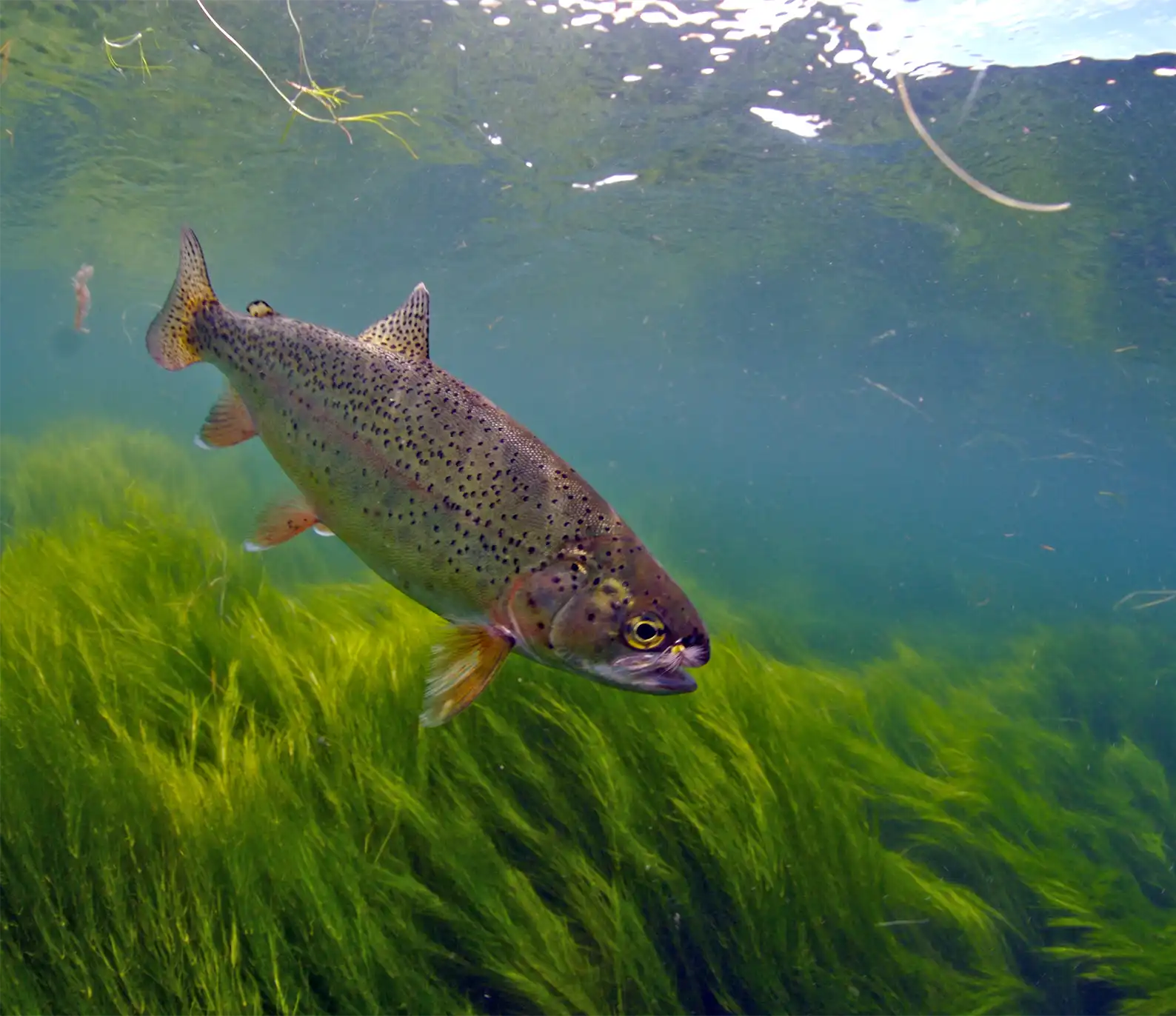
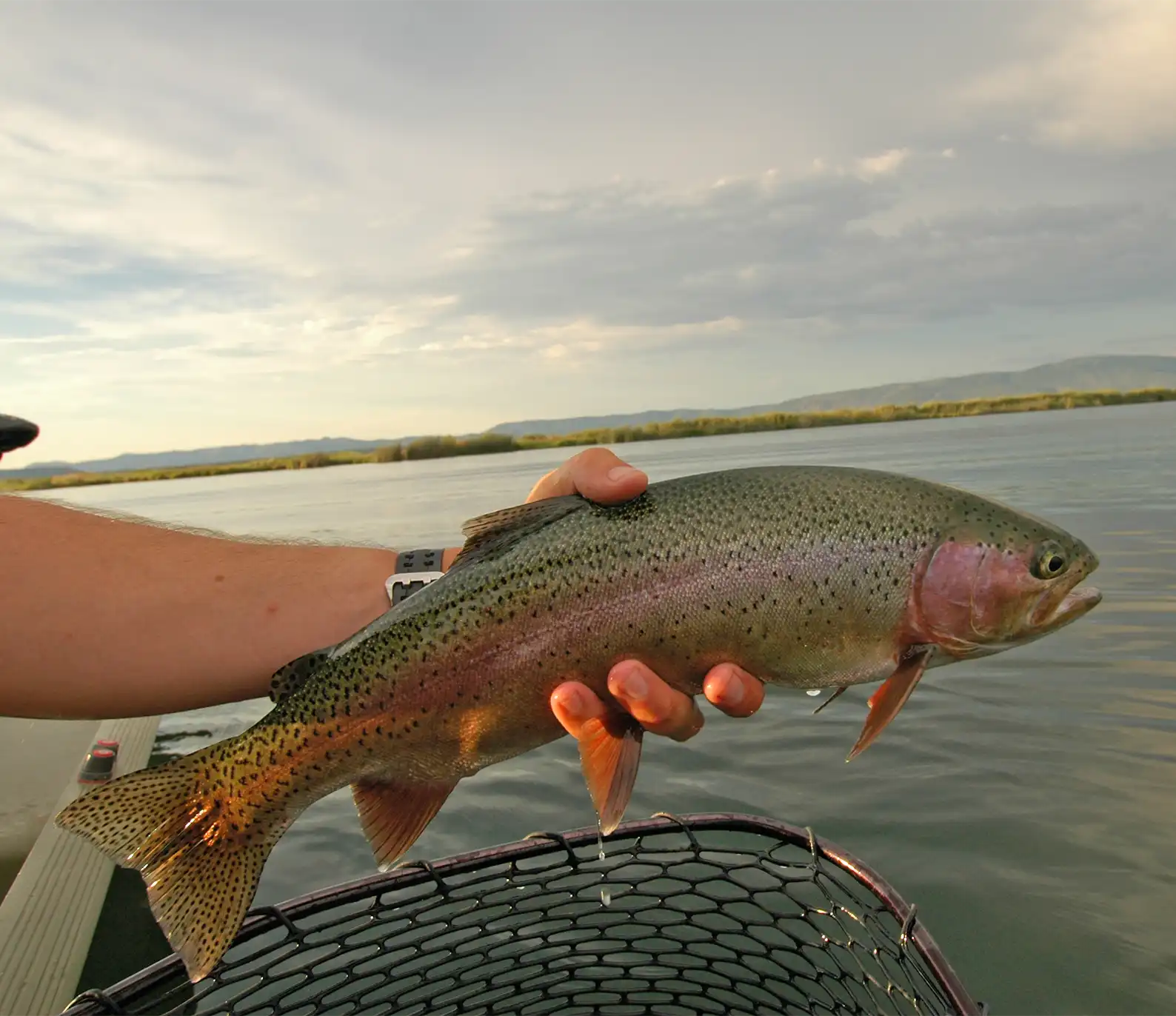
It's not uncommon to see hundreds of finicky rainbow trout throwing caution to the wind and rising simultaneously during the heart of the intense PMD spinner fall on Fall River.
Mid-June through July:
June and July are two of the most popular months of the year on Fall River, largely due to the famous Hexagenia mayflies hatching at dusk and bringing the biggest fish in the river to the surface every night. Many anglers in the know plan their entire angling season around the arrival of these giant, bright yellow mayflies. Hexagenia are the largest of the mayfly species, yet are only available to the trout for a short window of opportunity from the middle of June through July when they emerge, right at dusk, to mate. Their nymphs are burrowing insects, living in the silty river bottom until their emergence each summer.
In spite of the hype and excitement that always surrounds the Hex Hatch, there are still some great midday mayfly hatches and blankets of caddis that swarm the river every afternoon. Often the best fishing of the Hex hatch event is actually casting emerging caddis patterns in the hour or two before the big Mayflies begin to show.
In addition, there are consistent spinnerfalls every morning through the summer of a tiny species of mayfly. The Attenella, or tiny blue winged olive, hatch and mate at night throughout the warm summer months, falling to the river to waiting trout in the early to mid morning.
Our Fall River guides will put you on the water during the most productive times of day. Sometimes this means fishing early in the morning and taking a midday siesta before going out again in the evening to fish the Hex Hatch, while at other times they'll pick you up at midday and fish straight through till it's so dark you can't see any more.
August & September:
August and September is "trico time" on Fall River. These tiny mayflies hatch most mornings and provide a couple of hours of action casting tiny dry flies on even tinier tippets for some of the most challenging and rewarding spring creek fishing anywhere.
Callibaetis mayflies and small caddisflies are also prevalent at times on Fall River throughout the late summer months and early fall. August and September are sometimes considered the doldrums of the season, but our guides have discovered that these may be two of the best months of the year on Fall River. Hatches are less consistent, but nymphing and swinging wet flies and streamers on intermediate lines is very productive and angling traffic is light.
October through end of November:
October and November also don't get much attention from anglers, but have great hatches of tiny tricos and baetis mayflies, and larger callibaetis mayflies, too. Trout will consistently feed on a variety of dry flies, nymphs, and even slowly swung wet flies or streamers throughout the course of a fishing day. Fall River regulars don't talk much about the fall season, mainly because they don't want everyone to know how good the fishing can be at that late time of year.
December through April:
The recent changes to the California inland fisheries regulations have opened Fall River to fishing all year. We have no experience fishing this time of year. However, in late March through April the upper river will see some large hatches of Blue Wing Olives and the small black caddis. With an abundant population of scuds and leeches, swinging a Zug Bug should be a good tactic to keep your rod bent all winter. Travel through Burney can be difficult when it storms, so check the forecast and road conditions before you head out.