WINTER:
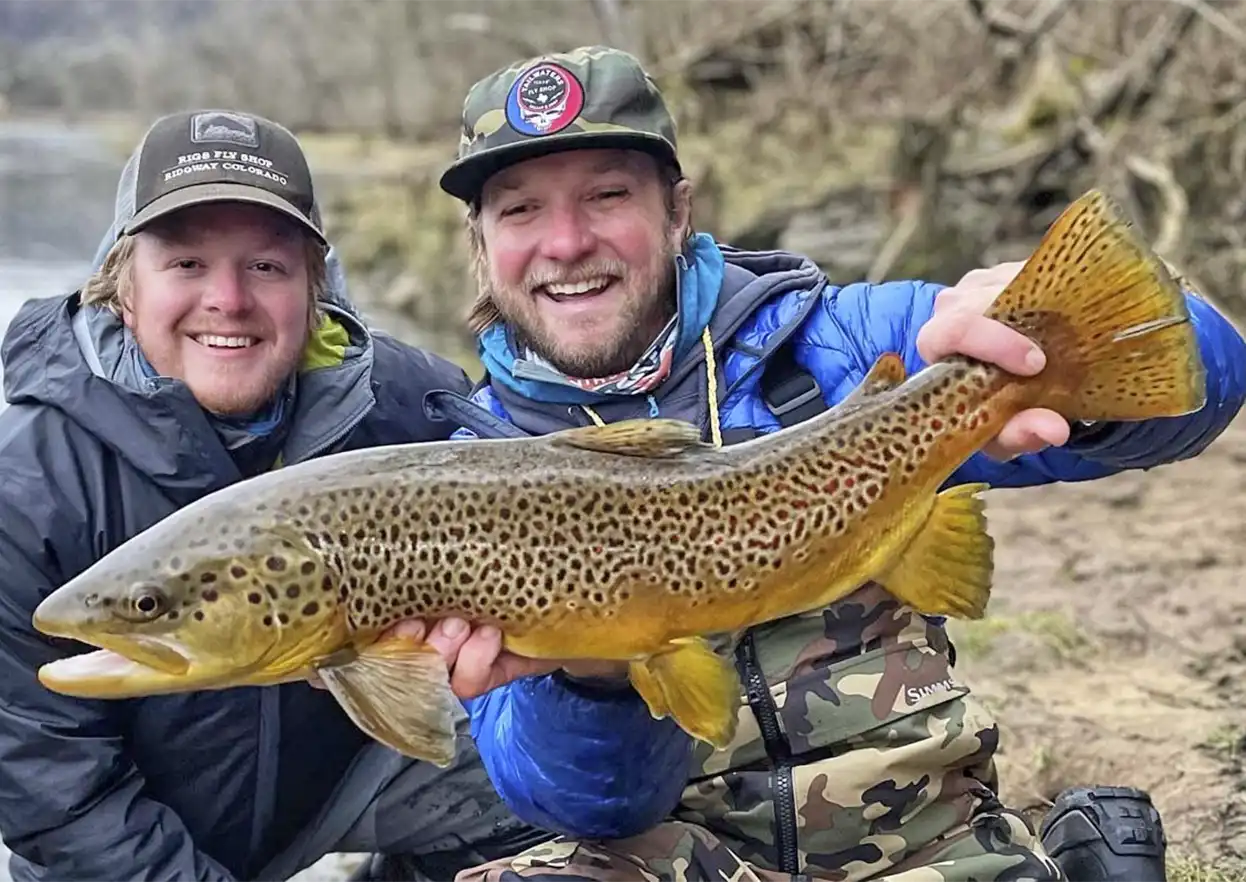
Streamer fishing is what most people think of when they hear the White River and the winter months can be a great time to fish some of the largest streamer patterns. The ability to cast well is extremely important in this game. The brown trout get very aggressive this time of year because they are trying to get one last meal in before they start their spawn or they just spawned and need to pack on pounds after they have gone a long time without eating. Streamer fishing is not for the faint of heart. A good motto to remember is “zero to hero” because there are no guarantees when it comes to this method of fly fishing, except that you will be casting a lot and covering miles of water throughout the day.
Even though most anglers think streamer fishing is the only way to get big fish this time of year, the nymphing can be more productive and produce some real giants. Dry fly fishing can also be an option during the colder months. All it takes is a warmer winter day to get the midges happy and hatching and the trout will be looking up.
SPRING:
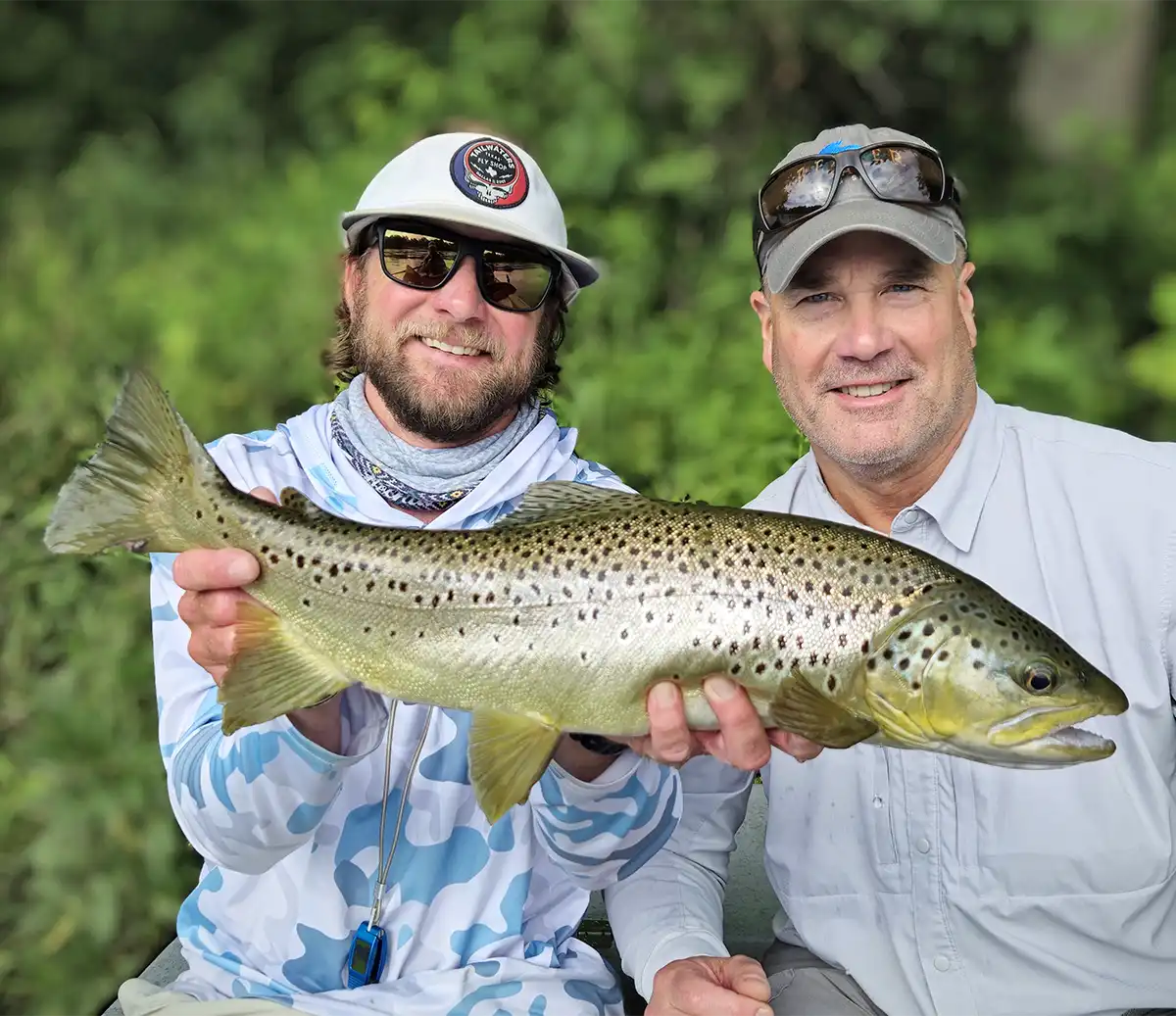
The first real hatches of the year begin during the Spring and their timing is all relative to the air and water temperatures. The White River will begin to see caddis flying around in March, but April and May are prime time. This is a very special season on the river because every year the hatch gets thicker and more prominent. Spring can be one of the best times on the White River for an angler to connect with the brown trout of a lifetime. The browns love caddis and they tend to lose all sense of security and doubts that they may show during the rest of the year. This hatch lends the option of any technique to the angler as nymphs, dry flies, swinging wet flies and soft hackles and even tight line euro style fishing are all productive methods.
Following the Caddis chaos is the often overlooked Sulphur hatch, which is a very well-known mayfly ranging from the Midwest to the northeast parts of the country. We start to see the sulphurs about the same time the caddis hatch is beginning to wane, generally around late May, and can continue as long as August. During this hatch, it allows the angler to fish any and every technique they prefer to do, as the fish will eat this bug in all 5 stages of its lifecycle. While it doesn’t happen every day on the river, this hatch can be prolific at times, which results in some incredible dry fly fishing opportunities.
SUMMER:
The Southern summer heat gets numerous types of terrestrials very active and can be some of the most exciting dry fly and foam fishing one may ever experience. Most people just say summertime “hopper fishing” but there are much more than just hoppers including Japanese beetles, Cicadas, large spiders, as well as many other big flying insects. The beginning of this “season” is always blurry but generally can start being productive around mid-June and can last through late fall. Some people consider the ending to be the second freeze of Fall. The best way to mentally approach this time of year and this technique of targeting large trout on the surface is to think of it as streamer fishing with a dry fly. At this time, the most productive way to fish is by covering a lot of water trying to find those aggressive fish that are looking up for a big meal. Good casting can make or break an angler’s day because these fish favor structure and trees, so most casts will be around or through trees, near logs, big boulders and any other places that allow fish to feel protected and willing to come to the surface to eat.
Throwing big dry flies can be addictive but don’t write off the nymph fishing this time of year because trout feed primarily subsurface and with the amount and diversity of food beneath the water’s surface, there is a greater chance that this method will be more productive.
FALL:
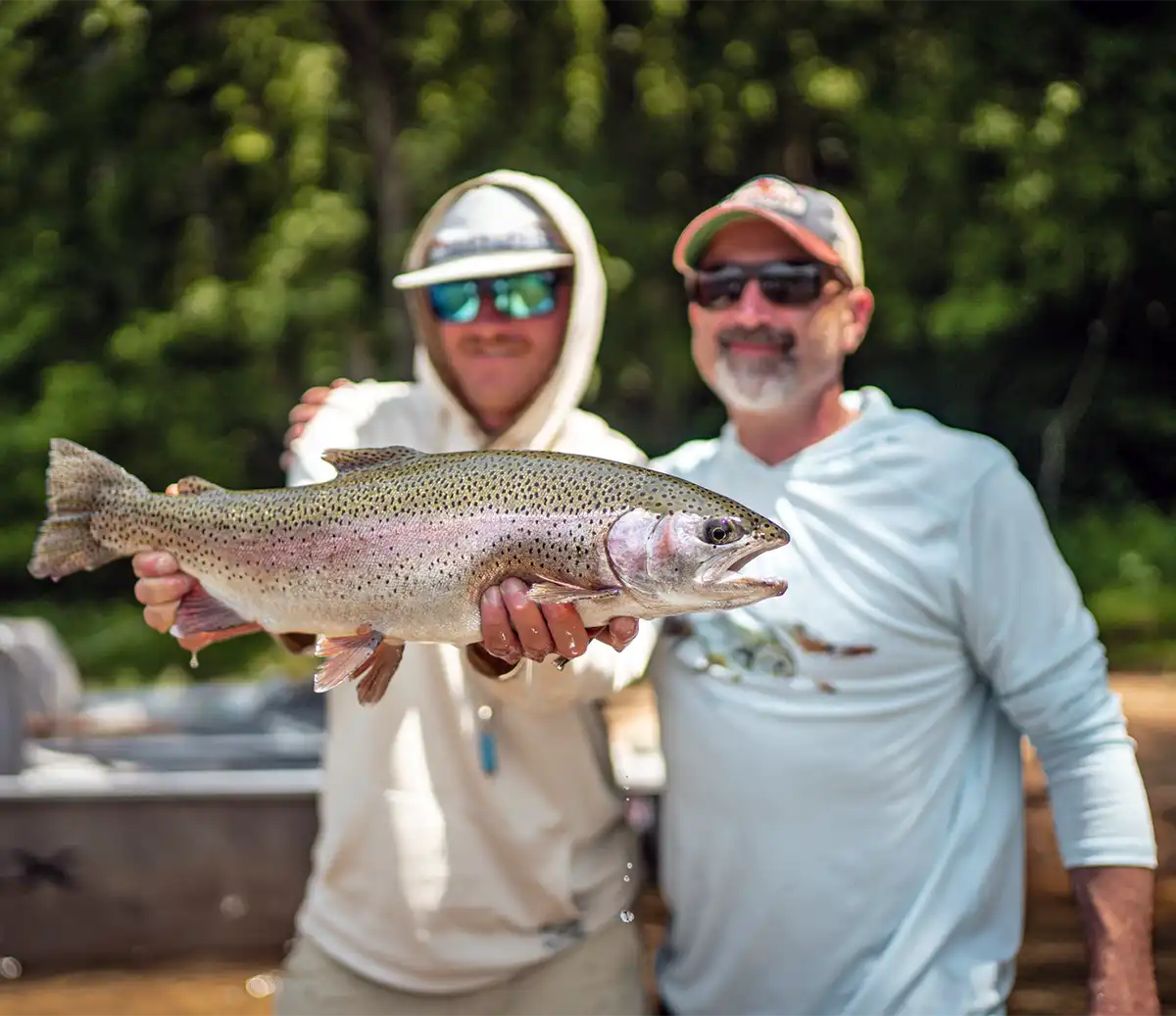
Fall is like Spring fishing in that it is also a transitional period. It follows some phenomenal summer terrestrial fishing and is leading into winter fishing but that does not mean the fishing suffers. Depending on the weather, the dry fly fishing can still be great and usually means the angler is throwing a terrestrial, caddis or midge. There are a few hatches during the Fall that most anglers overlook, those being several types of blue wing olives, as well as a caddis, but they are much smaller than the ones we see in the Spring and of course the ever-present midge in various sizes and colors. Fall is also the time when brown trout start to get ready for their winter spawn, so they are trying to pack on the pounds before they start finding their winter partner. Rainbow trout at this time will also have a false spawn so it can be beneficial to nymphing with an egg as a lead fly. If water conditions are right, the streamer fishing can be a great way to find a large trout looking for a pre-spawn meal. The weather this time of year can be very comfortable and the angling traffic on the river tends to be much less than the peak seasons.