The season starts in late June and ends in late October.
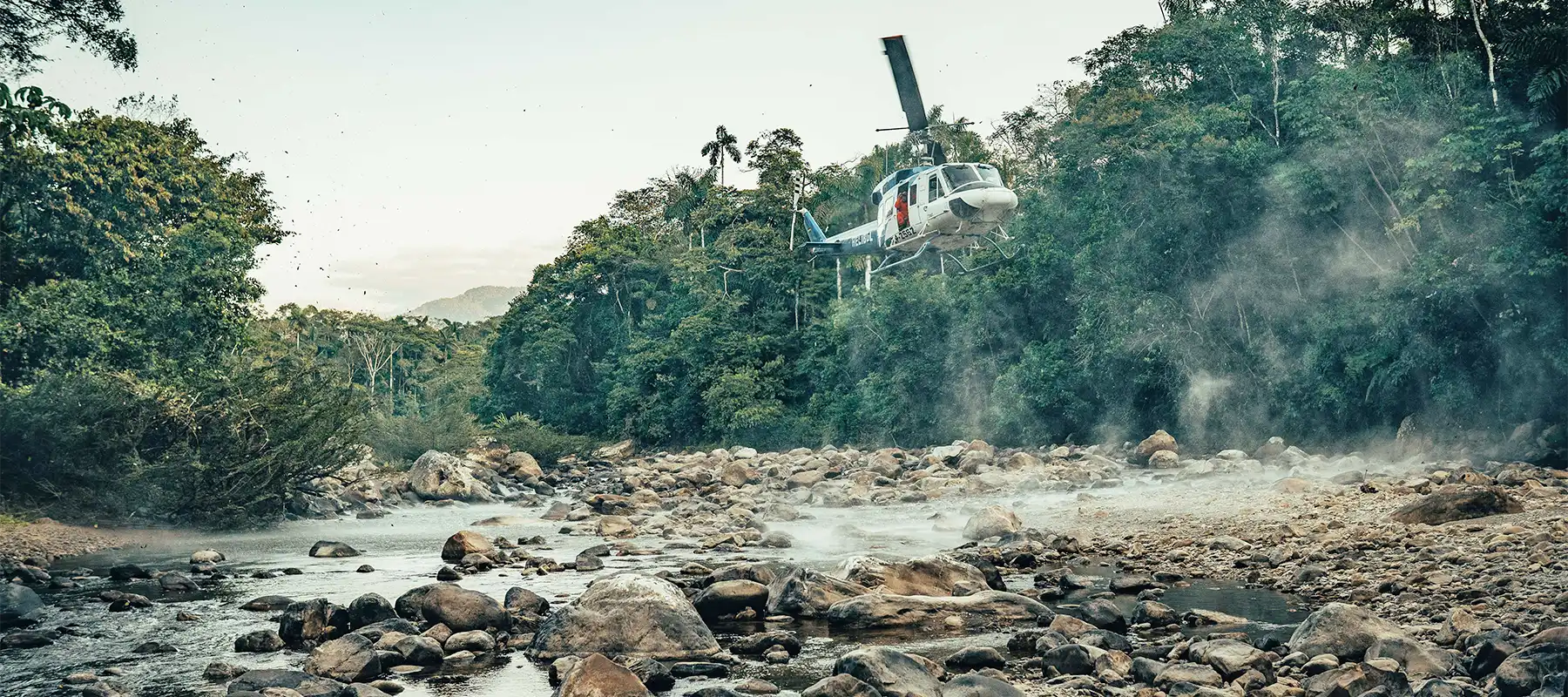
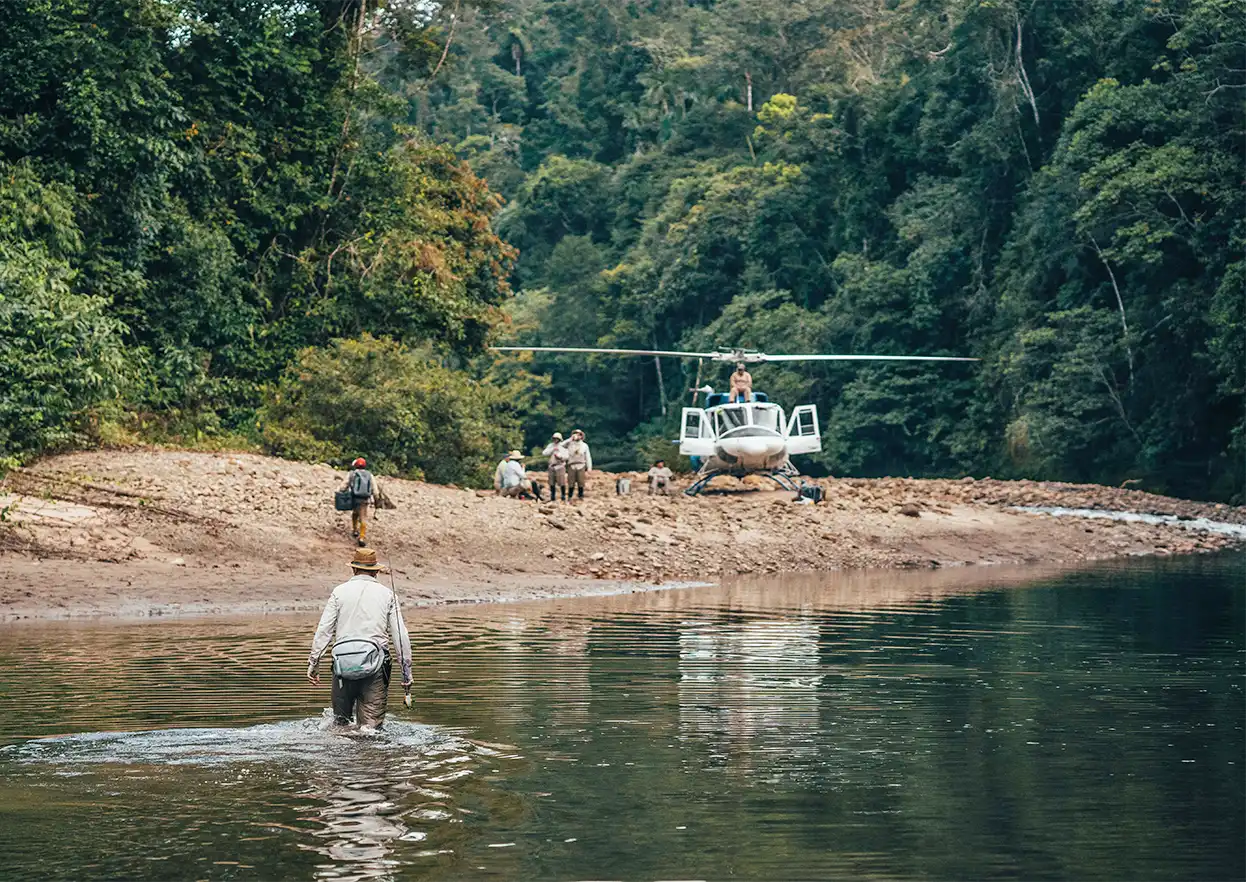
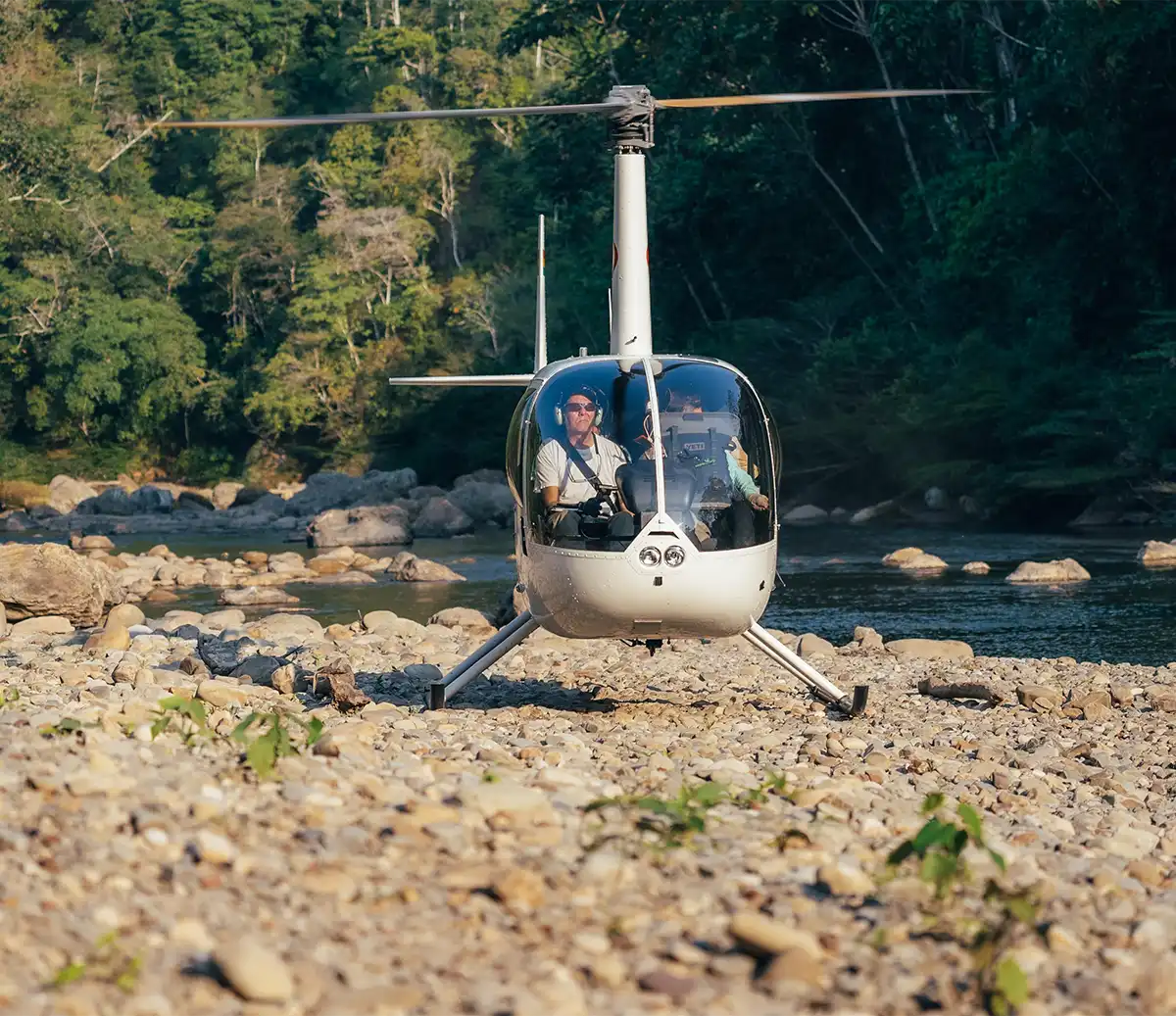
They will operate two helicopters, both Robinson R44 RAVEN II with a capacity for a pilot plus three passengers (two anglers + one guide).
Each morning, the helicopters will fly pairs of anglers with their guides to different locations in the high-country to a variety of unspoiled headwaters in the vicinity of Pluma lodge. Lunch and cold beverages are carried by your guide each day. At approximately 5:00 PM the helicopters will pick the groups up and return to the lodge.
All guides will have satellite communication to ensure permanent contact with the helicopter pilots and the lodges.
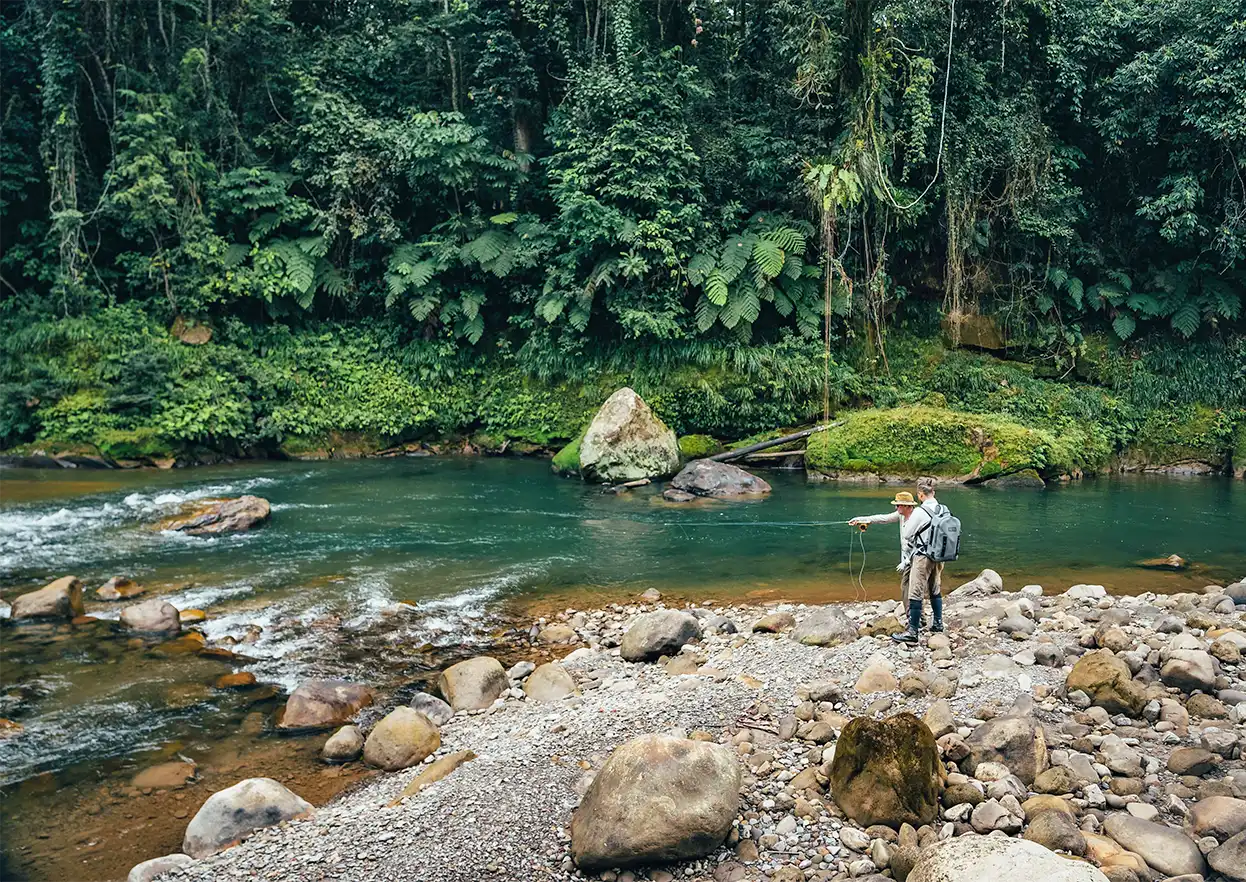
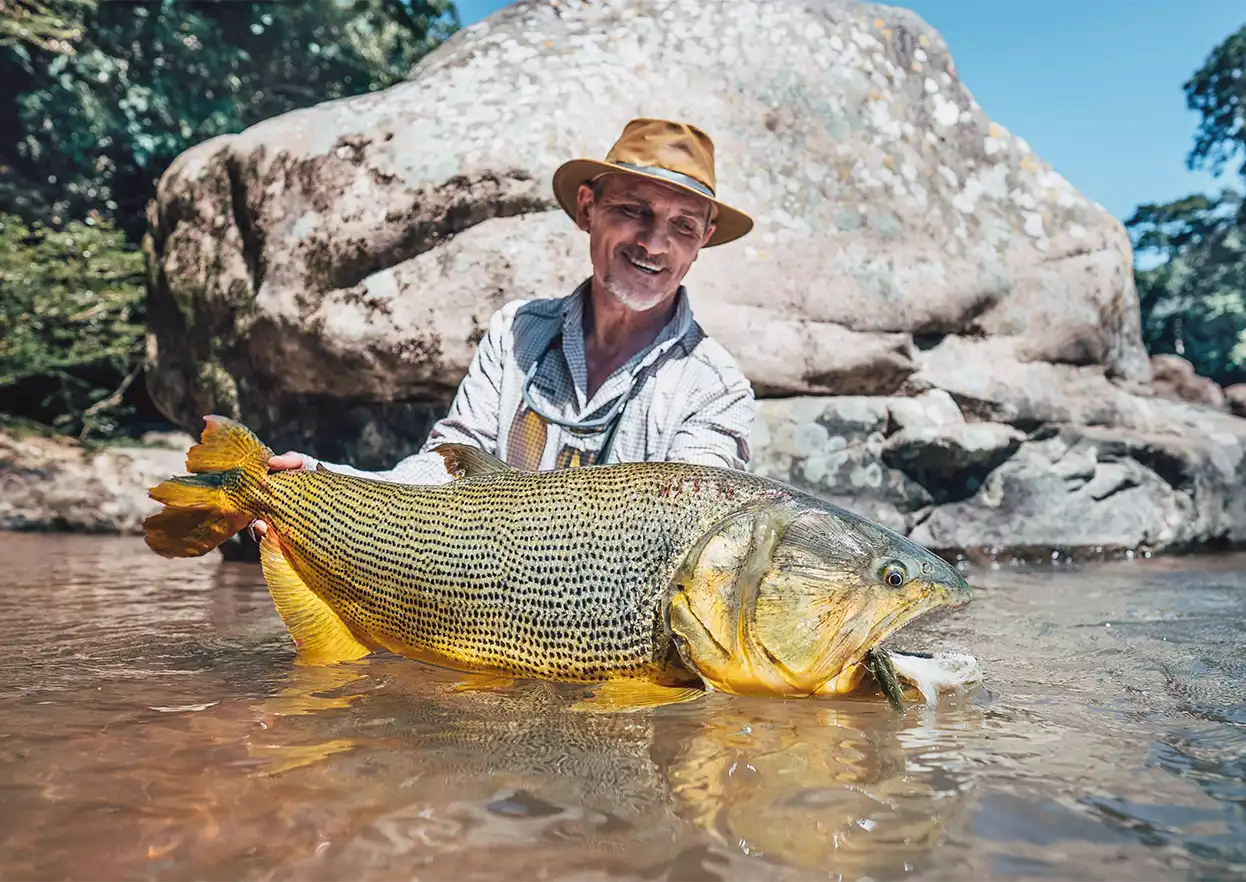
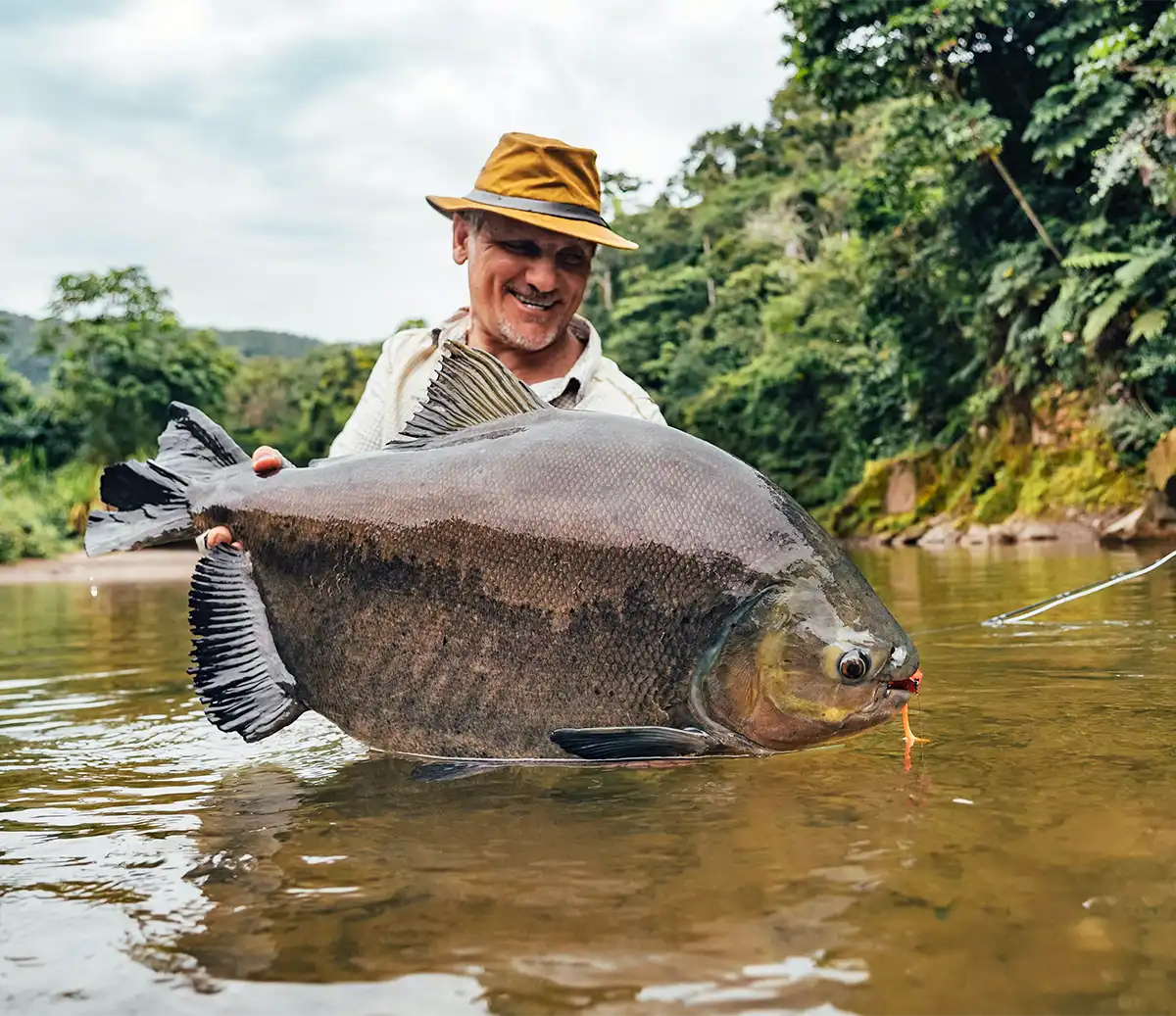
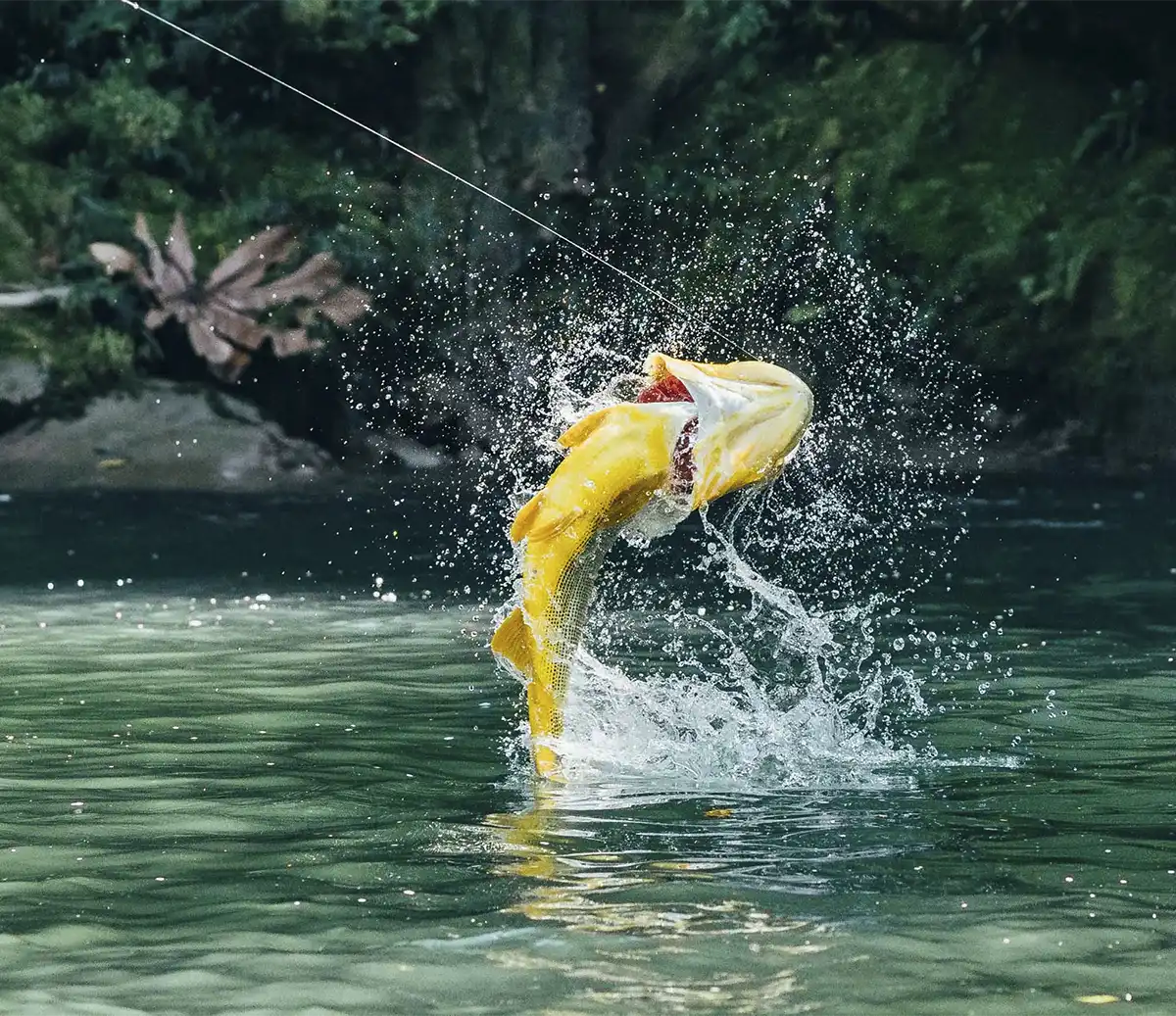
Besides the Dorado (the king of the river) there are other species to pursue, such as Pacu (our jungle freshwater permit) and Yatoranas. Together these species make a trio very difficult to match in warm freshwater fly fishing. The rivers we fish are very similar to freestone trout rivers with similar looking pools, runs, pocket water, and riffles. If you are a good and pragmatic trout angler, you will feel comfortable reading and fishing our rivers.
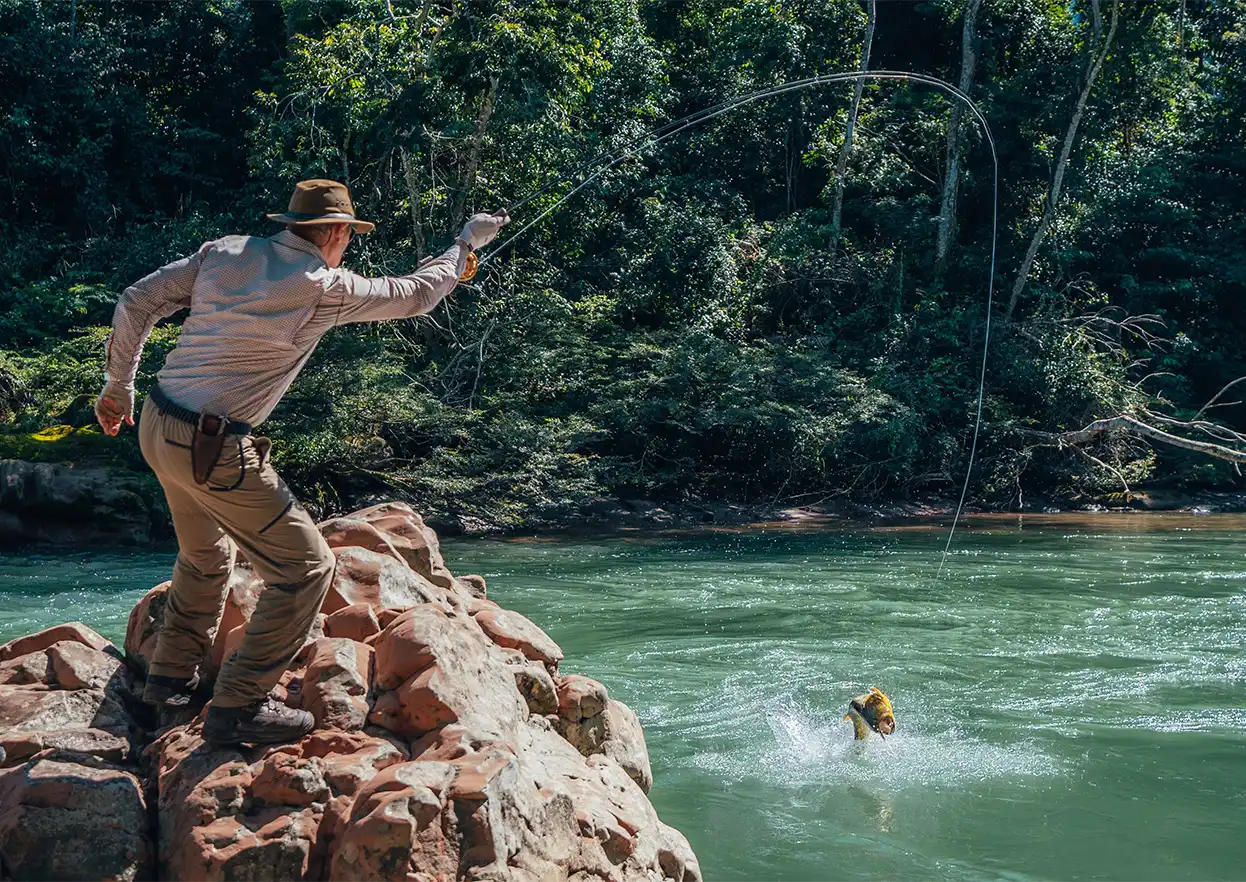
Fishing in these rivers, regardless of the huge populations of fish, represents several challenges for the angler. These fish can be spooky in such small and clear water and every pool and run must be thought-out and a plan developed with your guide before casting a fly into it. Dorado are very fast swimmers, super aggressive and flies must be placed not only with accuracy but also at the right time. Anglers who are able to shoot 60 feet of line with one or two false casts will have a big advantage. Being able to double haul in order to generate line speed will be a huge advantage. The flies we use are generally quite large and most anglers find it difficult to cast them accurately, with distance – in a hurry. We encourage guests to practice in order to get familiar with their equipment, flies and lines.
It's also worth noting that it is important to go light, carrying what you need in your shirt and pants pockets; a few flies, a spool of mono, pliers on your waist and nothing else. A small lightweight and waterproof backpack is highly recommended.
Catch & Release:
Tsimane practices a strict catch and release policy on all species. Avoid unnecessary handling of the fish. Barbless hooks are mandatory. Handling these fish requires special precautions, not only to avoid harming them but also to prevent injuries to anglers. All of these fish have very strong jaws and razor sharp teeth. And they know how to use them.
Wading:
Most of the fishing at Tsimane is done by wading in the river or fishing from the bank. The river structure varies tremendously, from sandy and small gravel beaches to sharp volcanic rock shoals transitioning through all kind of freestones and boulders. Wading is not difficult or dangerous; however there is a lot of it. We recommend guests to at least do some walking/running the weeks prior to their visit.
We strongly recommend our guests to wade behind their guides and to keep their eyes open. Stingrays are rare, but present in these waters and an unfortunate misstep can result in an extremely painful ordeal. For protection, stingray guards will be provided when necessary (you can bring yours if you want to). Together with a sturdy wading boot, keeping your eyes open and moving slowly you should experience no problems. It is very important to listen to your guide, follow behind him and his experienced and sharp eyes.
Besides the dorado (the king of the river) there are other species to pursue, such as pacu (our jungle freshwater permit) and yatoranas. Together these species make a trio very difficult to match in warm freshwater fly fishing. The rivers we fish are very similar to freestone trout rivers with similar looking pools, runs, pocket water, and riffles. If you are a good and pragmatic trout angler, you will feel comfortable reading and fishing our rivers.