than good chance of hooking some fish, and more likely than not they'll have chances of hooking good numbers of steelhead on any given day.
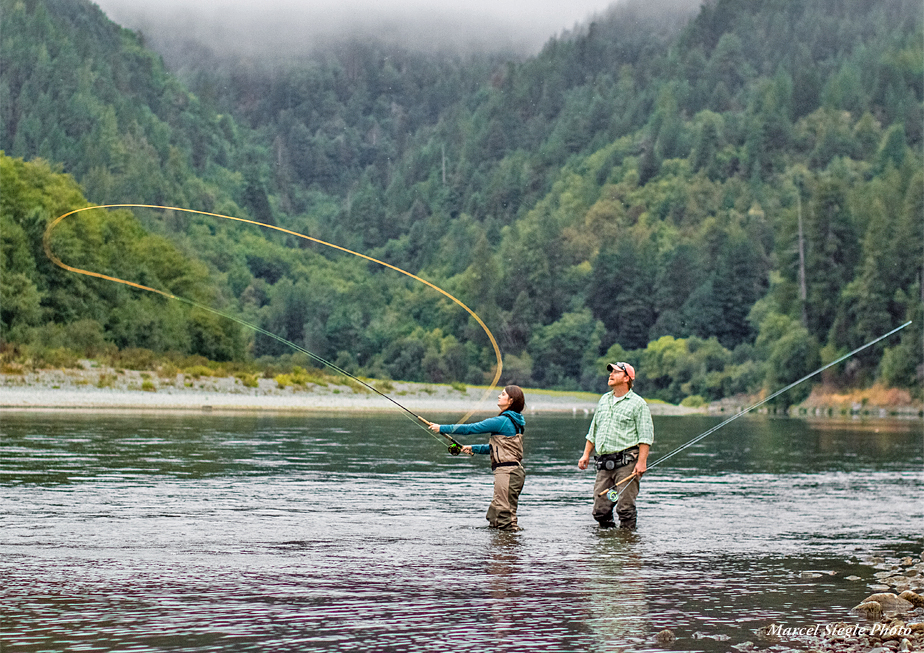
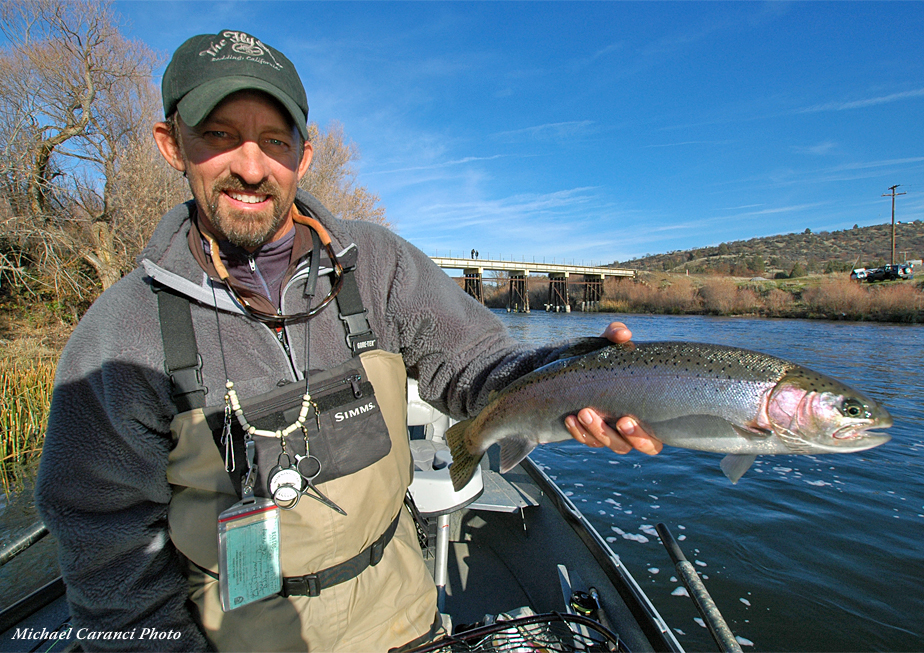
There are two main techniques used to fly fish for steelhead on the Klamath River: Swinging flies and nymphing. Swinging flies is the most traditional method to target steelhead, and can be effective in the lower and middle sections of the river during the early season (August-November) when water temperatures are warmer and the steelhead are more active and aggressive. In the colder fall and winter season (November through February), however, our guides prefer to drift nymphs under indicators in the upper Klamath, as they have found over the years that we've been guiding this river that it is far and above the most productive way to catch fish during the winter. The upper Klamath River's deep pools and channels are ideal for dead-drifting nymphs.
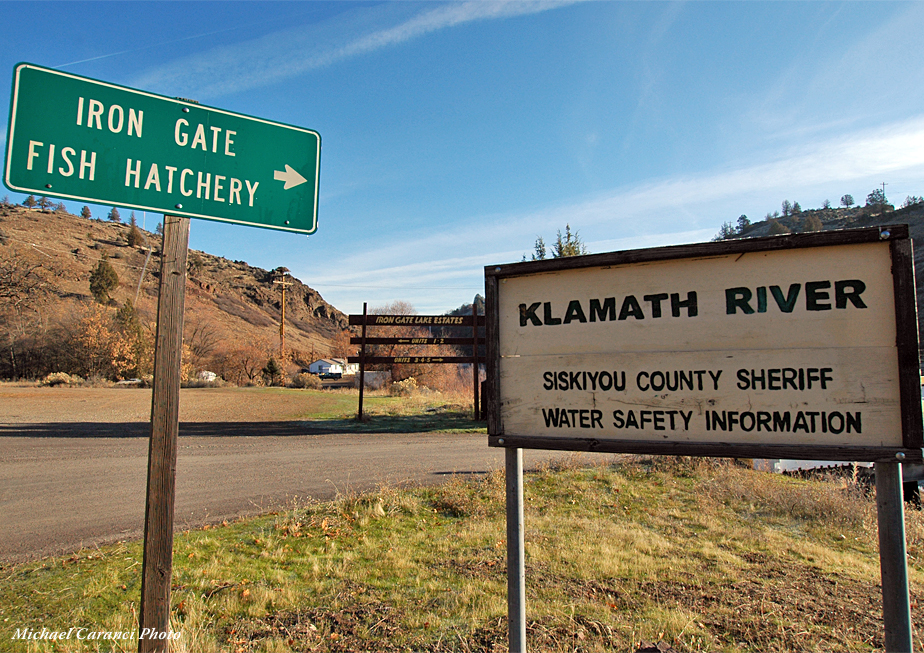
The portions of the Klamath River that our guide staff operates on begins at the Iron Gate Dam, just north of the town of Yreka and south of the Oregon border along the Interstate-5 corridor. There are several drifts in this upper region of the Klamath River that our guides focus on during the late fall and winter months, targeting both half-pounders and adult steelhead. They also fish this same section of river in the late spring/early summer, targeting resident trout on big dry flies during stonefly hatches.
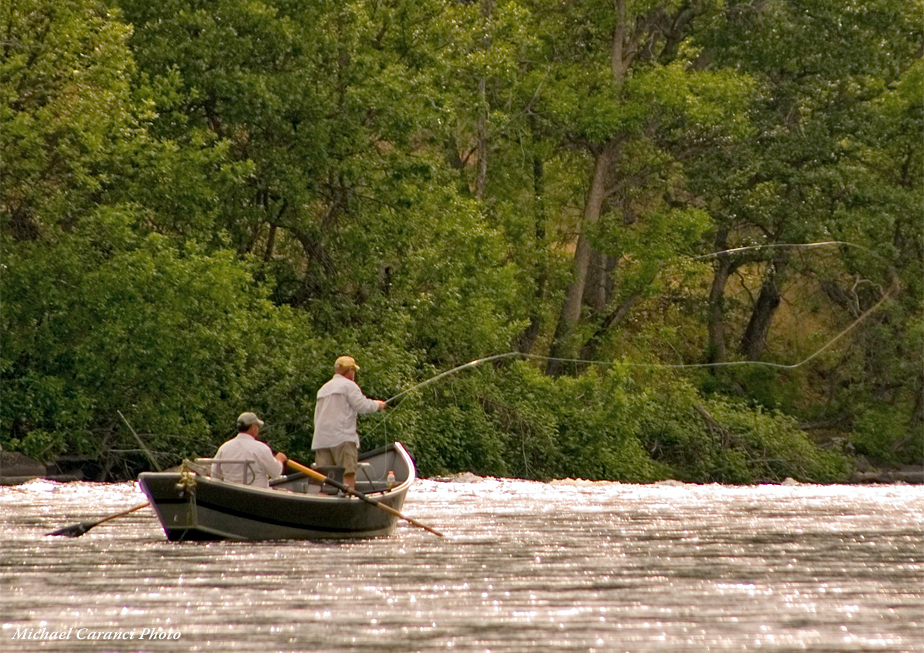
Our guides fish this stretch of the Klamath River in comfortable drift boats. There is very little wade access between Iron Gate Dam and Interstate 5, so drifting these sections of river is the most effective way to cover the water and find the fish. Indicator nymphing is the predominant strategy, working the deeper holes where the large Steelhead congregate.
There are a few minor tributary streams entering the Klamath River in these upper few miles, yet the river remains largely controlled by releases from Iron Gate Dam. The Klamath's water always has a dark tea-color tint to it, but the river generally remains fishable in the upper floats throughout the winter months. Big winter storms may blow the river out, but it clears quickly, usually in just a few days' time. The Fly Shop contracts with guides permitted to take people fishing on Bureau of Land Management and Forest Service lands.
 When The Fly Shop® opened its doors in 1978 the Klamath River was one of the primary guided angling destinations that we offered. In the years that followed the Klamath River System endured some tragic times, as the effects of decades of mining, trapping, logging, and agricultural irrigation left the waters in the river tepid and warm, drastically affecting the runs of anadromous Salmon and Steelhead that had once numbered in the millions (in fact, the Klamath River historically had hosted one of the largest runs of Chinook Salmon in the entire continental US). Although the Chinook Salmon run on the Klamath River has been nearly decimated, the Steelhead in the river have made a remarkable comeback in the past decade, and with recent litigation regarding dam removal there is a great glimmer of hope for the future. Once again, the Klamath is back!