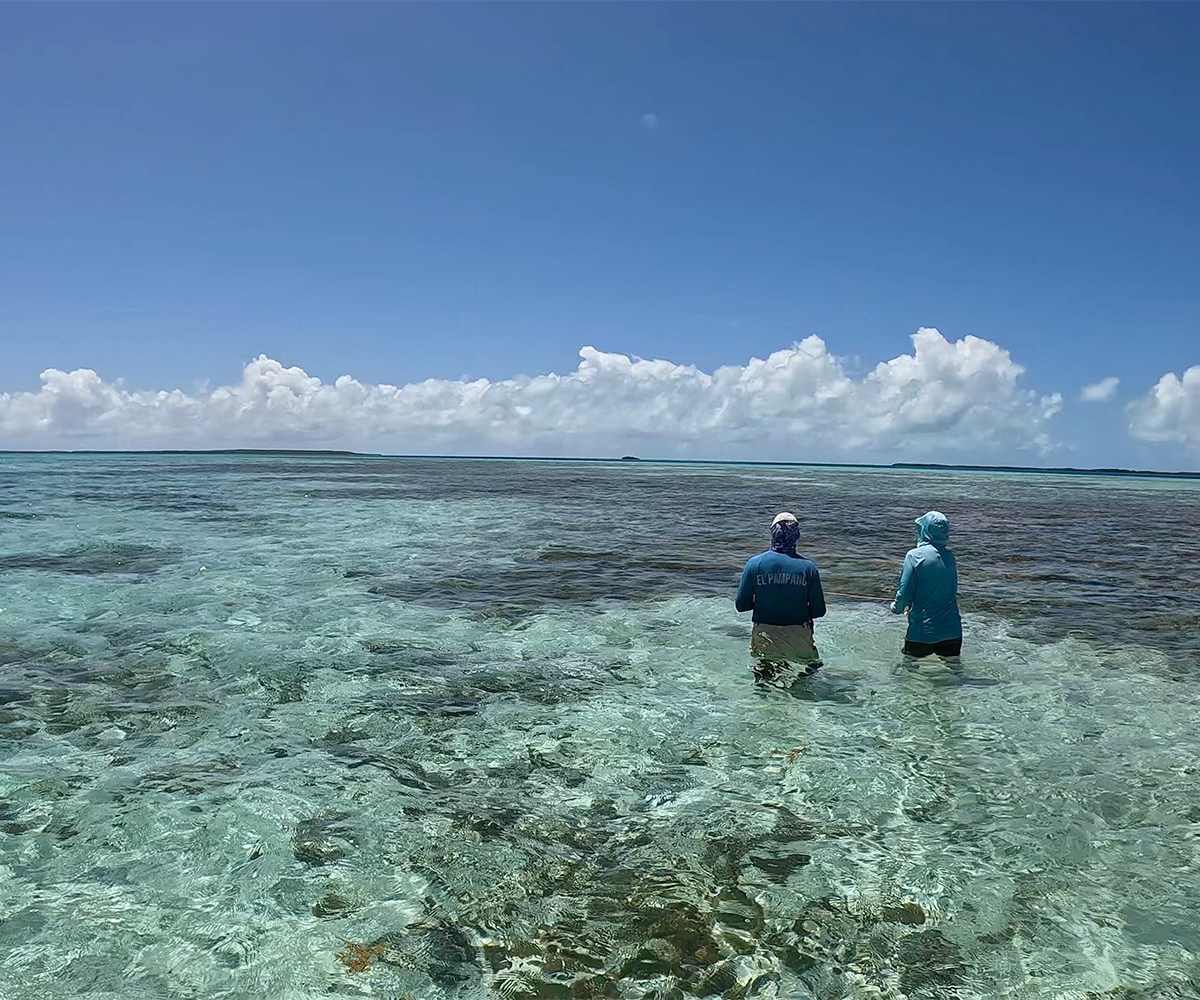
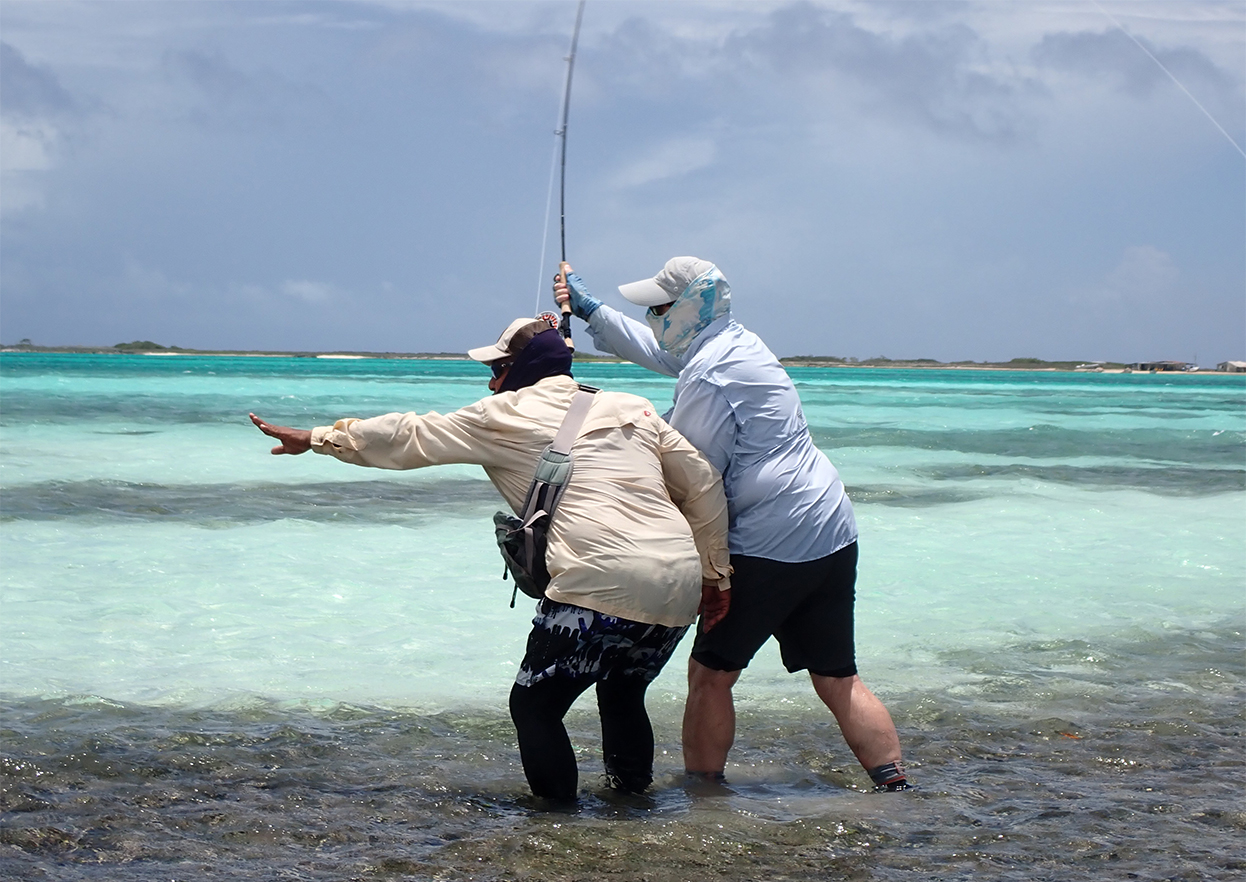
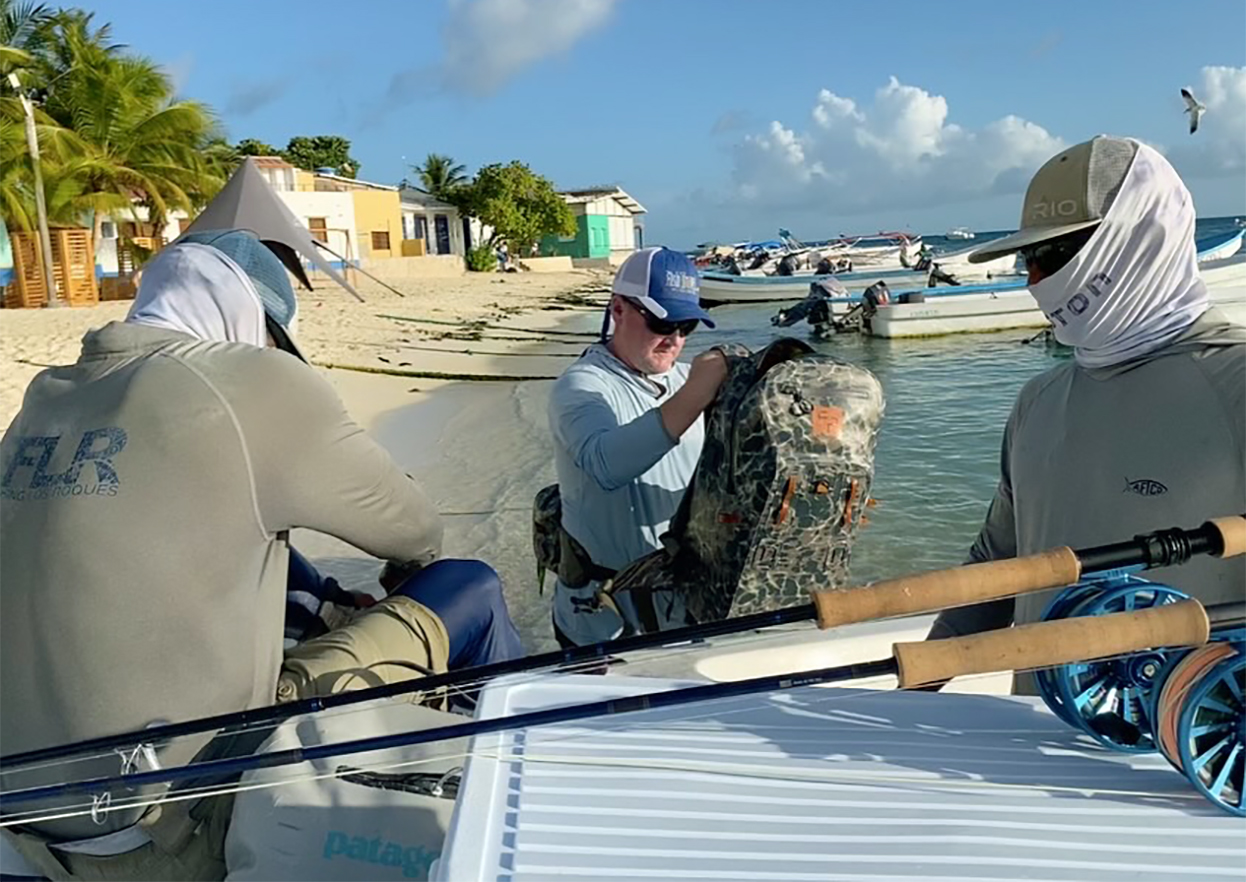
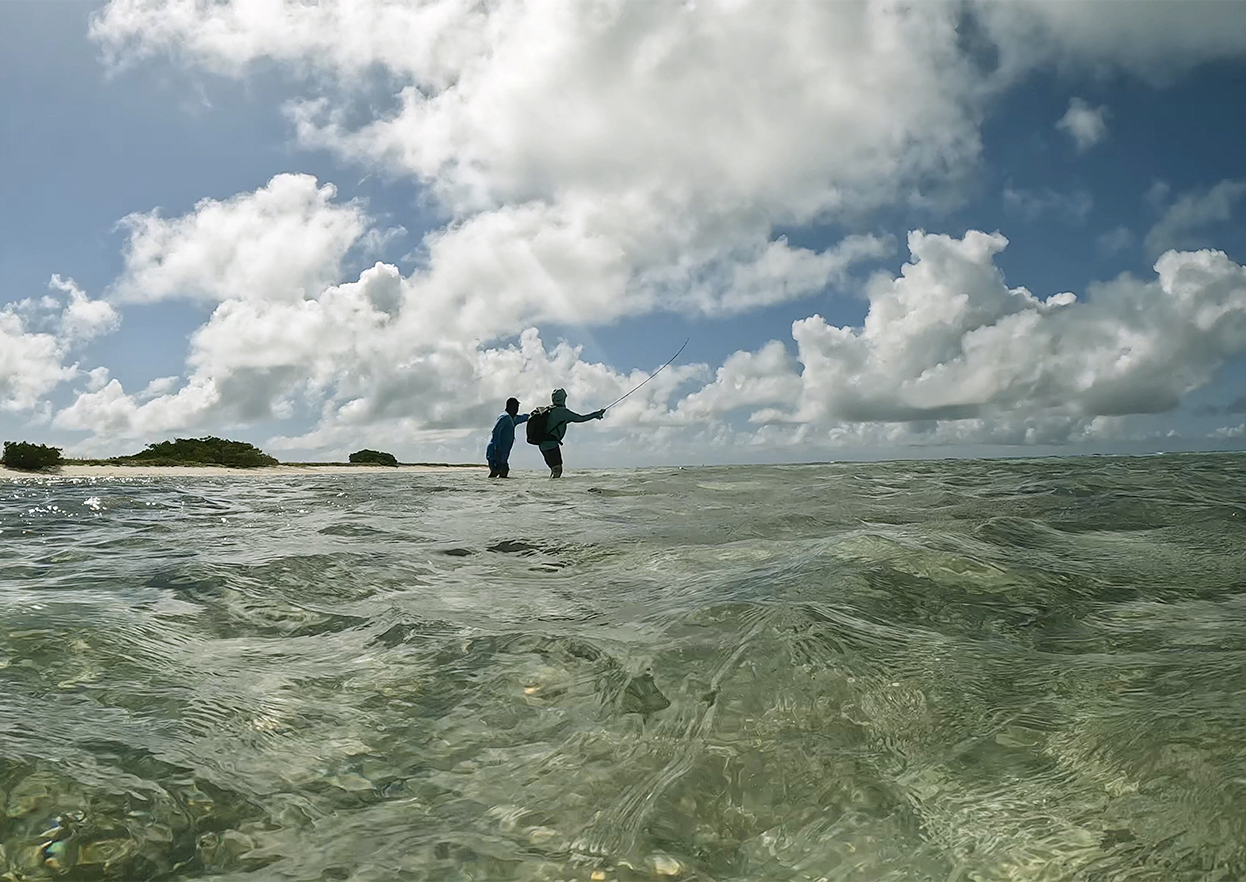
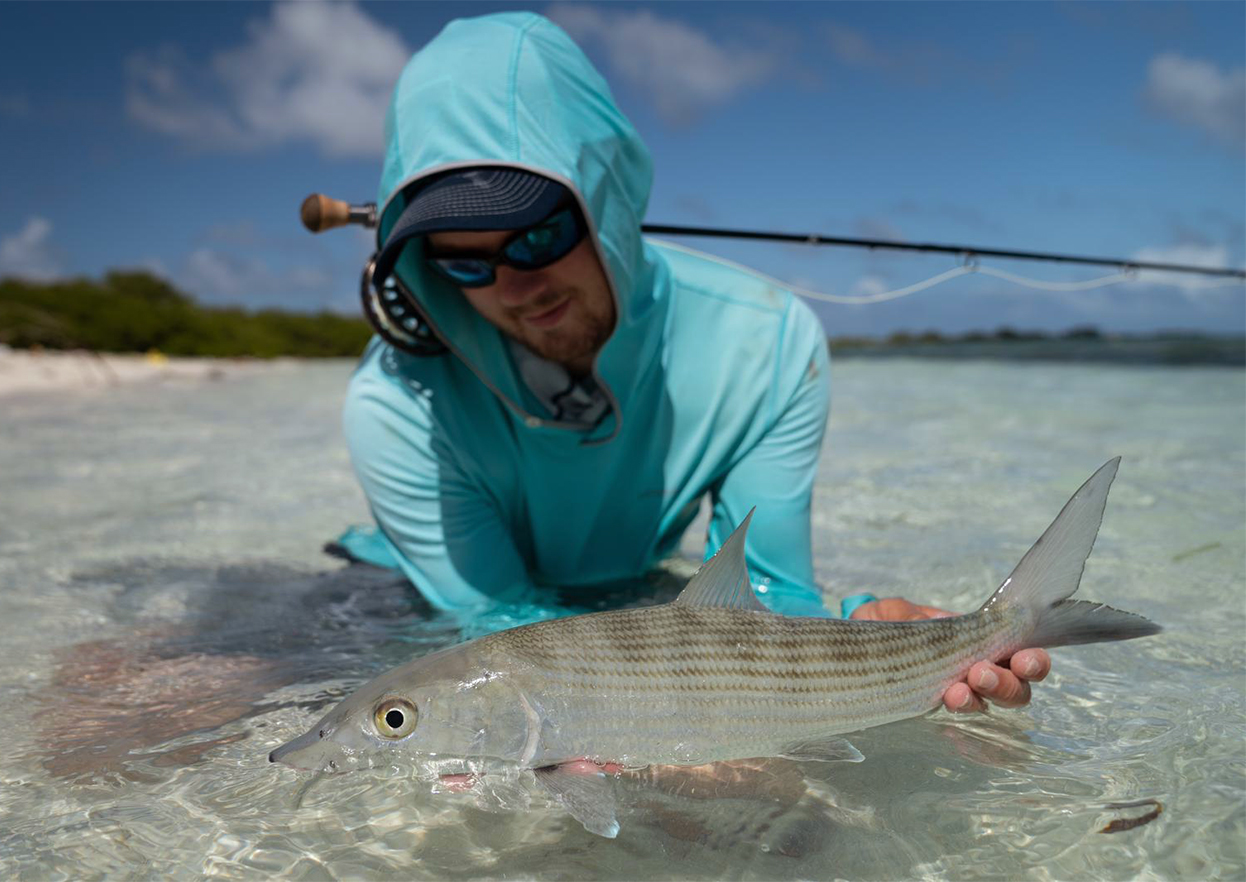
Most anglers travel to fish Los Roques from mid-January to May for several reason including blue skies, sunny consistent weather and to get away from the cold northern latitude winters.
During northern hemisphere summer months, many anglers are taking advantage of the summer weather to fish their backyard rivers or travel to destinations such as Montana, Alaska, Canada, Iceland, etc. which is prime time.
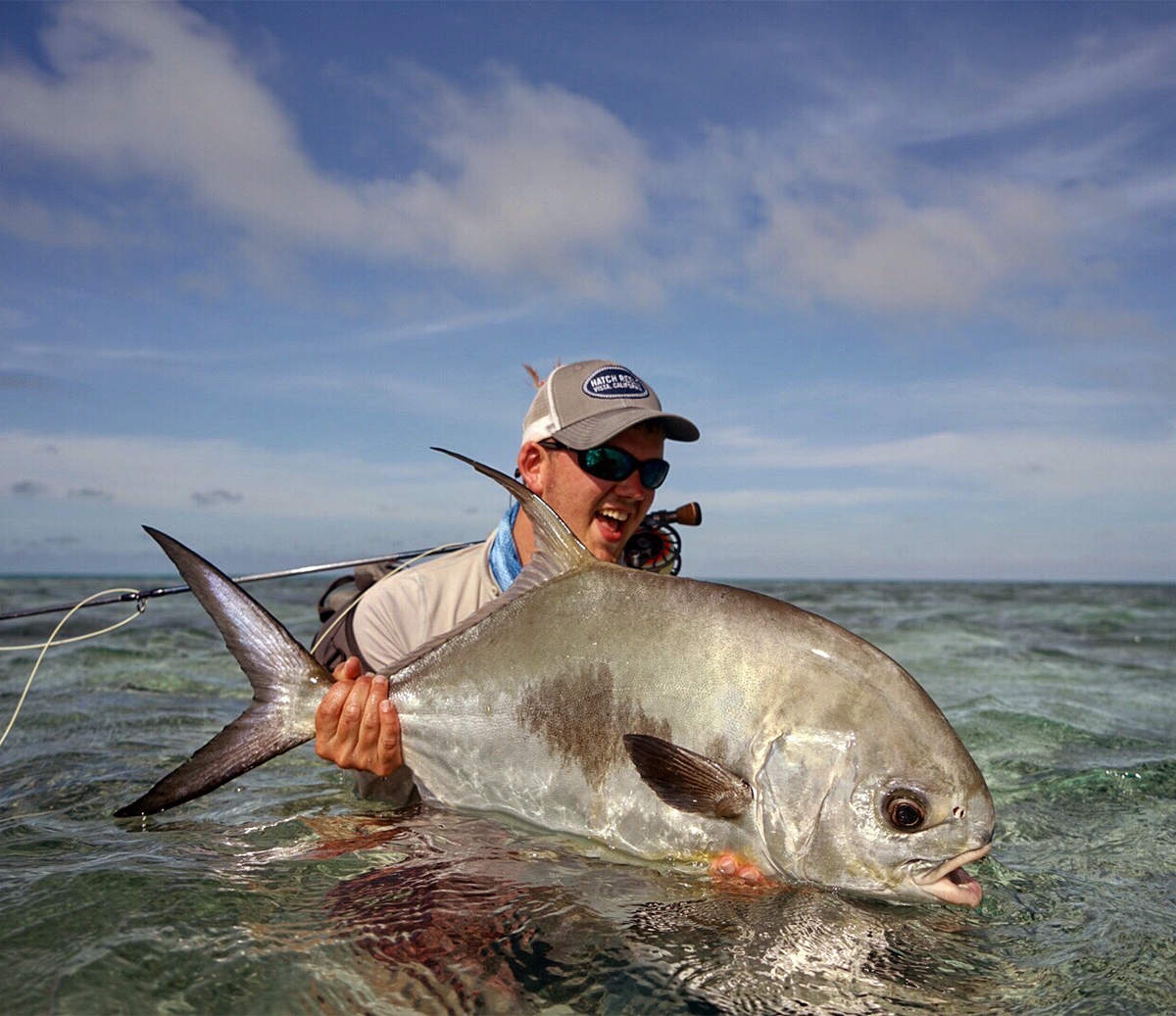
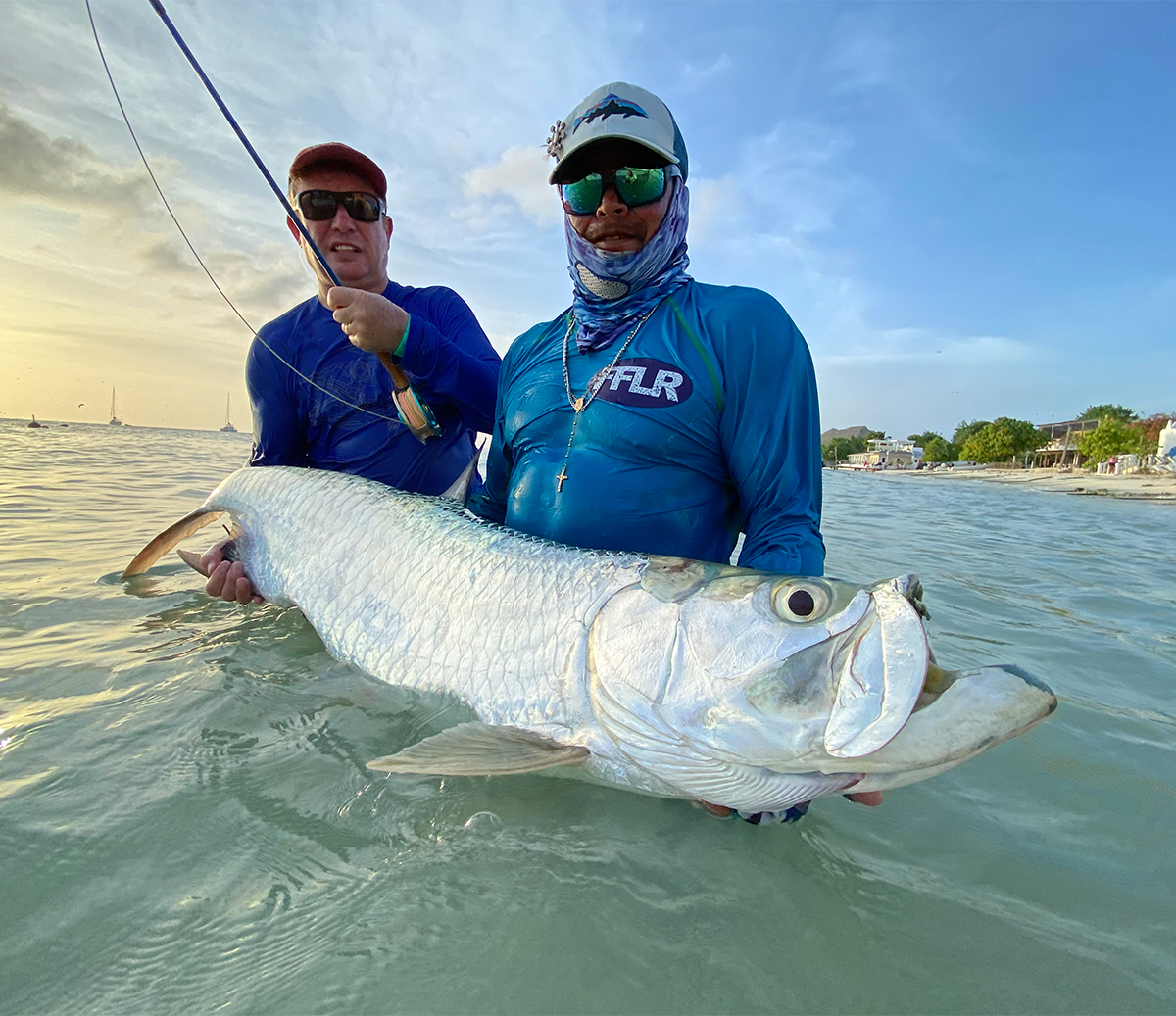
However, Los Roques, during summer months, can have outstanding fishing, very consistent tides and wonderful weather and is a great time for tailing fish. From October through January, there are plenty of bonefish but it is also the best time of year for tarpon and permit.
There is a solid explanation why Los Roques has good water temperature and water levels on the flats that delivers bonefish and other species with usually great levels of water from Mid-January to October.
Fisheries close to the equator like Los Roques, where the sun arcs overhead in perfect 12 hours intervals ensure a stable environment, consistent wind and sea currents. These winds and currents turnover the waters and they replace warm surface water, while oxygenating it at the same time. Since warmer water holds less oxygen than cold water, this turnover and oxygenation effect, keeps the surface water quality high in areas directly exposed to the wind.
January:
The level of the water in January is generally higher with bigger winter tides. Anglers see fewer tailing fish than in the peak season. You will see fewer tailing fish but not less fish. Many of the fish are found out in deeper water flats and beaches.
This is a perfect month for beginners as tailing fish require a little more skill than casting at cruising fish. Another advantage of fishing in January is the solitude and lack of fishing pressure. During January, due to higher tides, you have more bait moving into the flats which can be an excellent time to go if you want to target tarpon and permit.
February:
The level of the water starts to drop with good levels on the flats for longer hours than in January which can be very productive, in which anglers take advantage of the rising tides to find and cast to tailing fish for a few hours a day. The bottom line is February is a month with little pressure on the flats and good level of water.
March:
Good water levels on the flats with longer raising tides than February; it is a month in which you can actually see lots of bonefish tailing close to each other in shallow water. You have longer periods of the day with virtually no water on the flats in which you fish deep water flats and beaches until you wait for the right tide to be in the right place and the right flat to wait for the rising tide in which the bonefish feed madly, almost recklessly on your unweighted flies. This is what really makes Los Roques a unique destination. For the angler who want to wade for the big tailing bonefish, this is a perfect time.
April & May:
Are pretty much the same as March but actually you may have more stable tides some weeks. You will see tailing fish all around. Also, during these months, typically the wind drops and there are more days with blue skies and no clouds.
June through October:
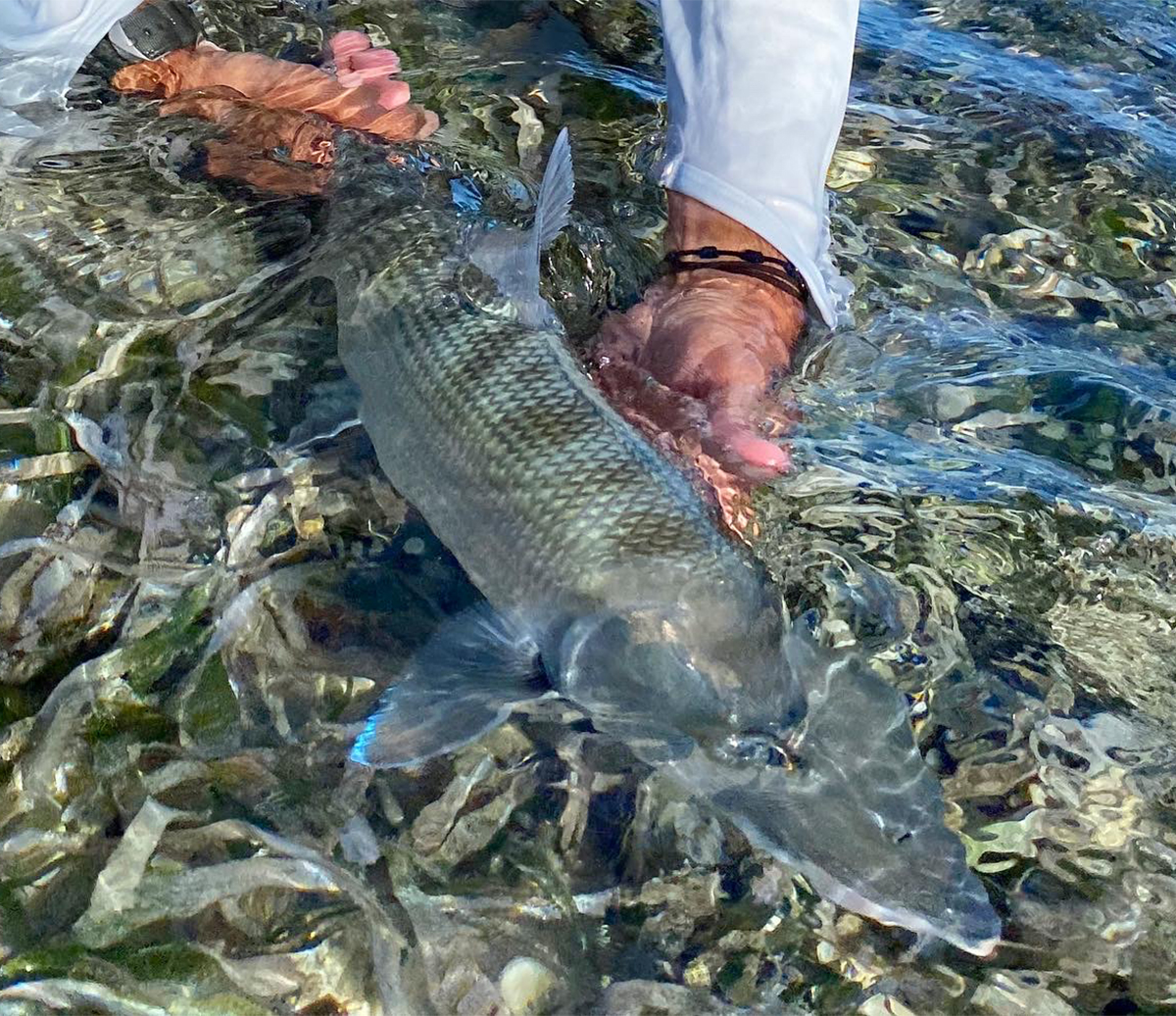
This is the time of year that really separates Los Roques from most other locations especially those located in the Caribbean. It can be effectively fished in the summer months and on until October. Why? It has to do with the relative area of the surface flats that allows the highest level of water turnovers from trade wins and, therefore, the optimum conditions for bonefish regardless of the time of day. To put it short, ‘Tailing bones all day in the rising or falling tides. Fish are more aggressive in the rising tide up to the point that fly selection is not even critical for success, but anglers certainly would enjoy the challenge of earning fish on the falling tide in which bonefish get coy and begin to play games with you on outgoing water. They can be tailing just as they did when the tide was flooding, but they are definitely more difficult to fool. During the falling tides, it requires a little more skill and fly selections become critical. Even though we understand the reason why most people fish winter/spring, you can encounter incredible weeks April – October.
November & December:
The level of the water on the flats is higher most if not all day. Actually, during these months, you don’t see many tailing fish on Los Roques, you see mostly cruising fish. With the higher levels of water, baitfish are abundant making for excellent opportunities for tarpon and permit.
Wind, Tides & Moon Phases:
There's no simple explanation or a consistent system to predict tidal fluctuations at Los Roques. In fact, it is easier to think in terms of water levels that cover, or expose the flats of Los Roques several times a day during many months of the year.
Los Roques tides (water levels) are affected by ocean currents and off-shore winds in the deep blue channels that surround the archipelago. Those winds begin hundreds of miles away and drive, alternately, massive mountains and deep troughs of water over the cays of the national park. In essence, the tide is of little consequence, except when there are several consecutive windless days. If, for example, on-shore winds are strong, and the tide is flooding, greater pushes of water will enter the archipelago at a faster rate. If there is an off-shore wind, the tide will be accelerated or retarded, depending on whether the tide is flooding or ebbing. Ocean currents are constant, play an important role in Los Roques water levels, and further complicate the daily formula for successful bonefishing.