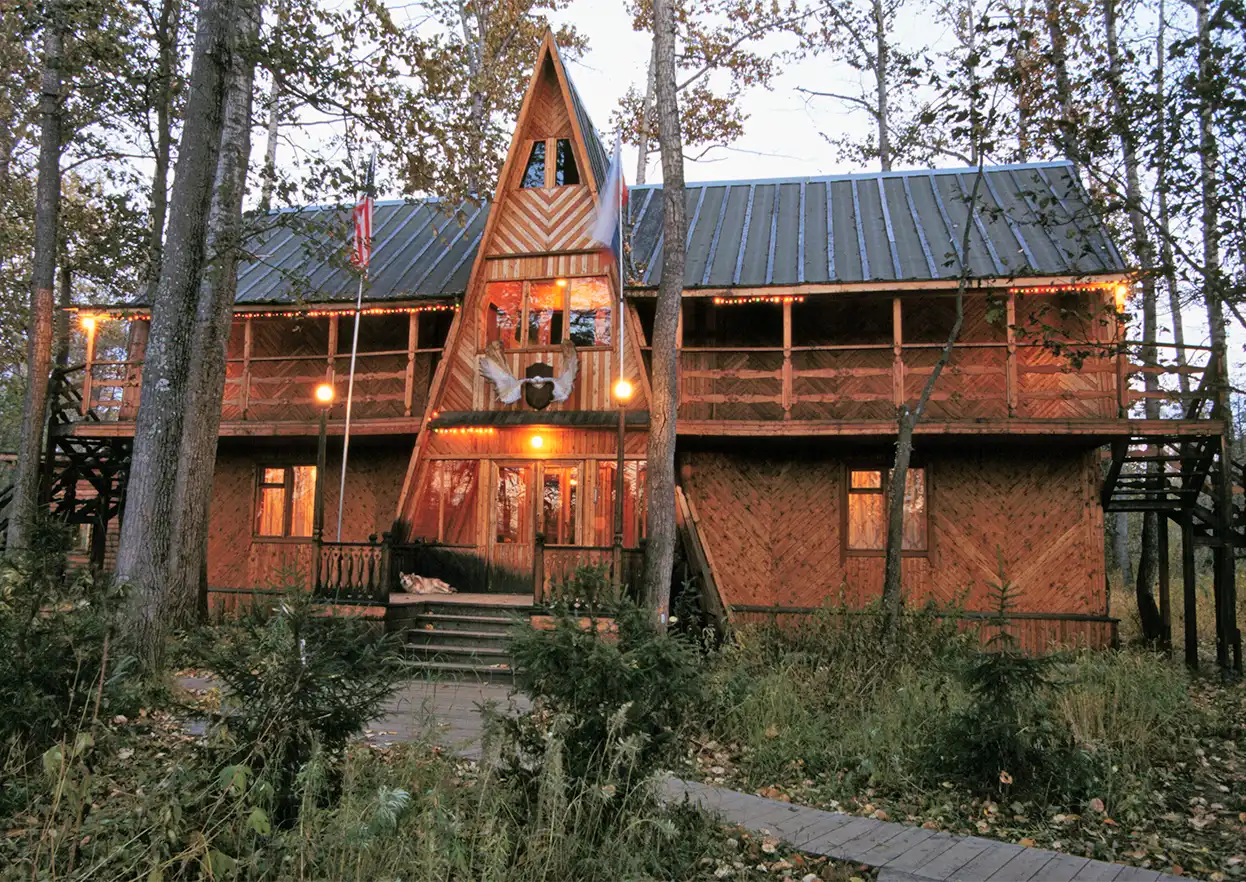
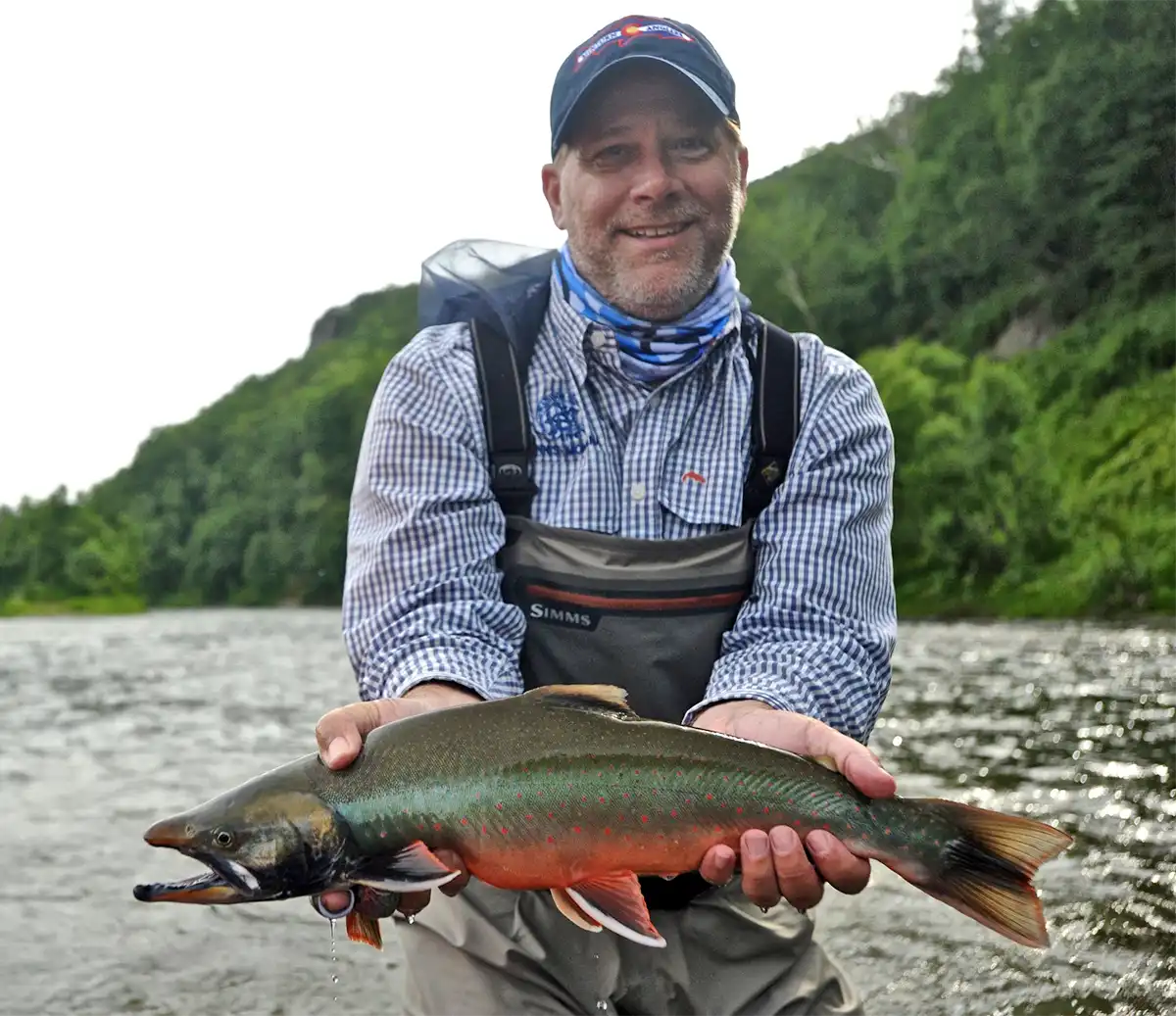
The fly fishing experience at Cedar Lodge is about "quality" of fish, not "quantity."
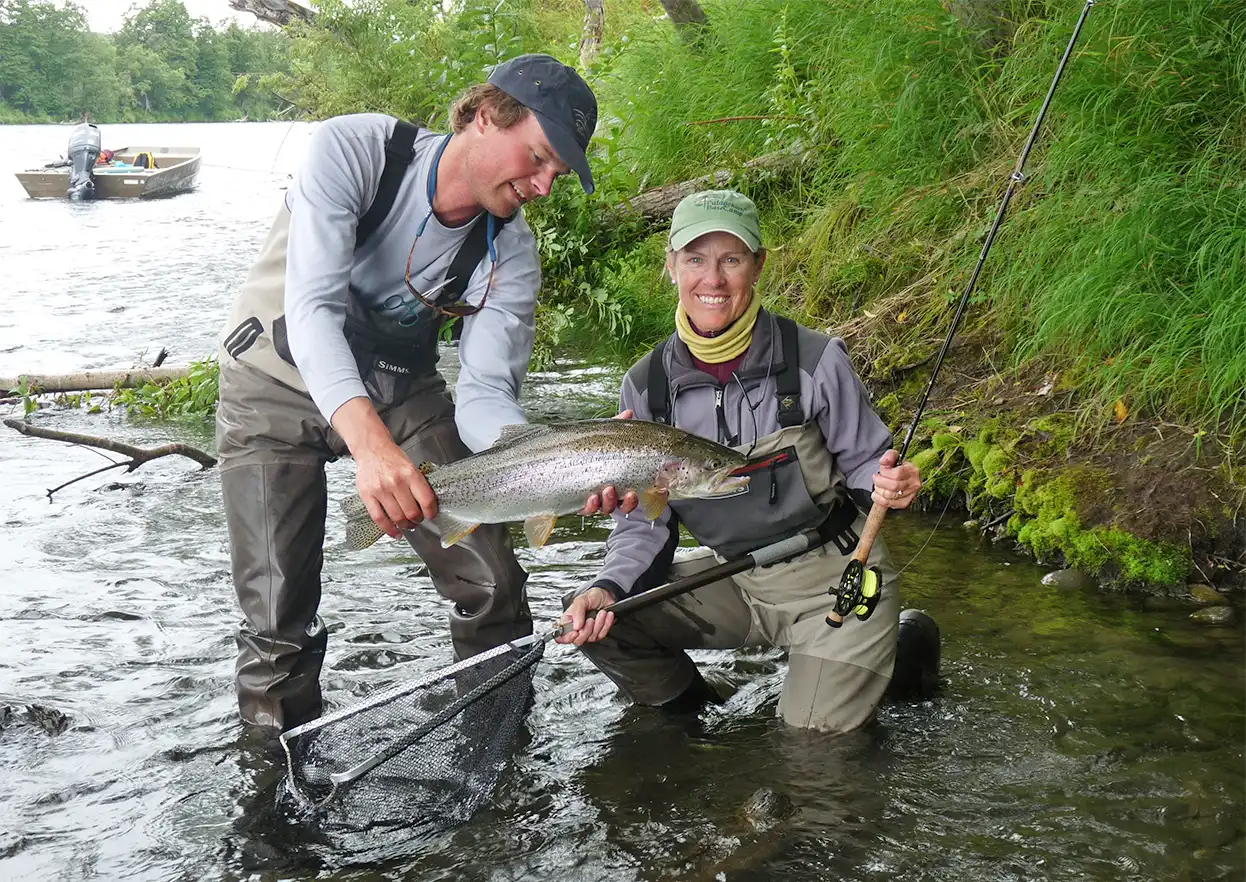
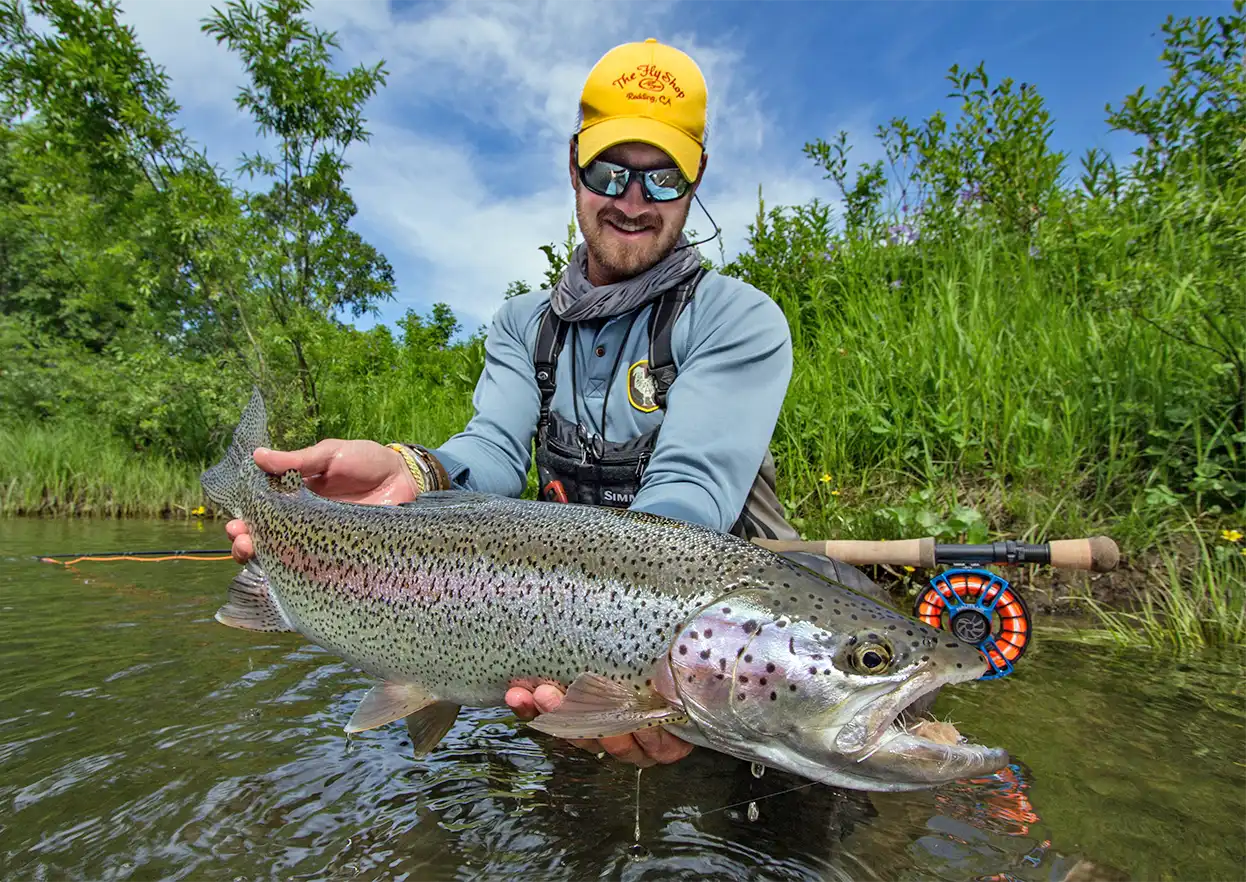
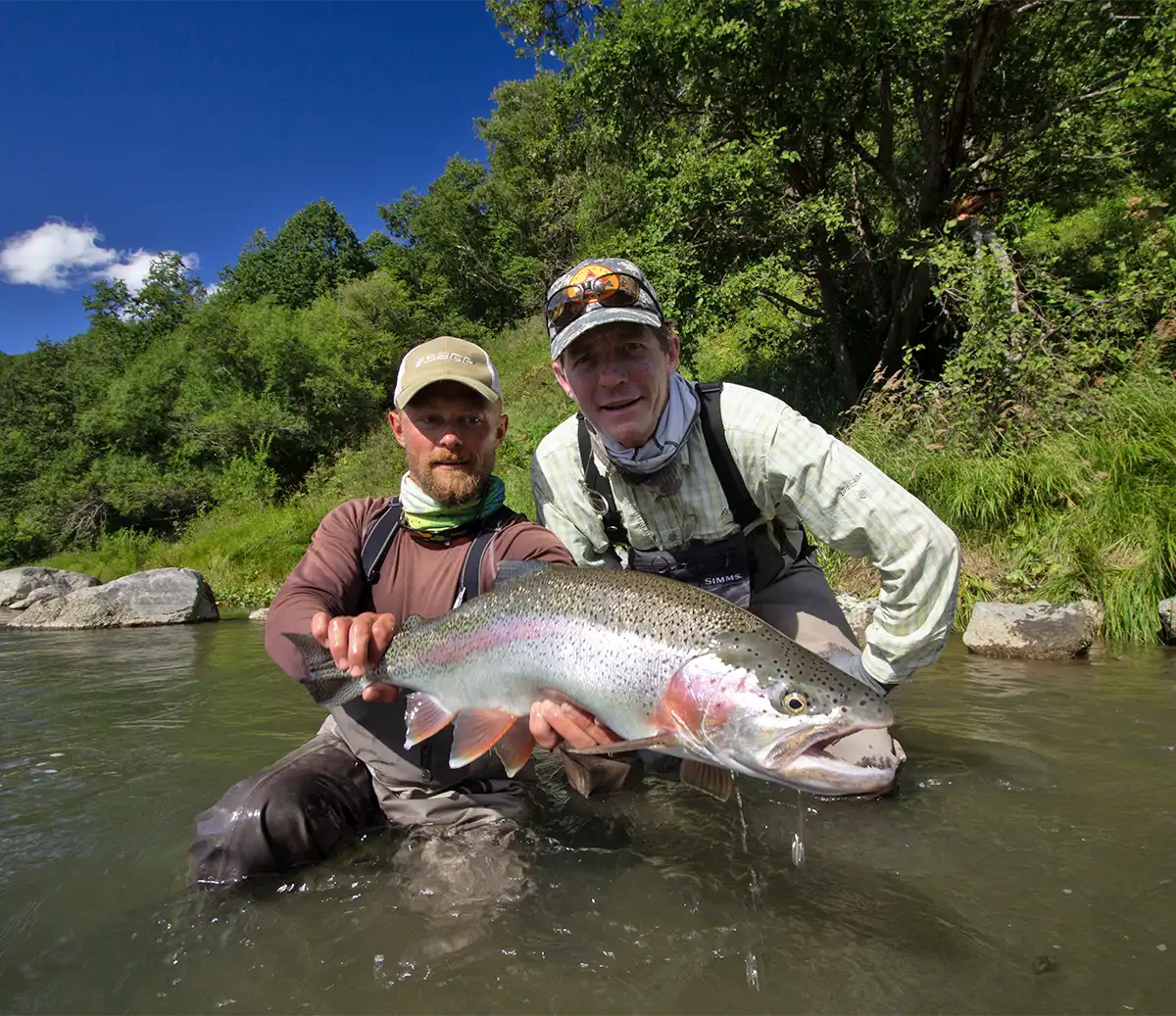
Anglers should not expect obscene numbers of trout each day. For that, you'll want to look at either Alaska or some of our other Kamchatka destinations such as the Sedanka Spring Creek, Wilderness Floats, or Savan River. What you can expect is a challenging, trophy rainbow trout fishery where an angler with beginner to intermediate experience can tie into 3 to 6 trout per day that average 4 to 8 pounds, and are occasionally double that size. Advanced anglers skilled in reading water, wading, and casting, and who have a modest level of self-sufficiency usually encounter considerably more action. Many anglers will land the largest trout of their lives during a week on the Zhupanova.
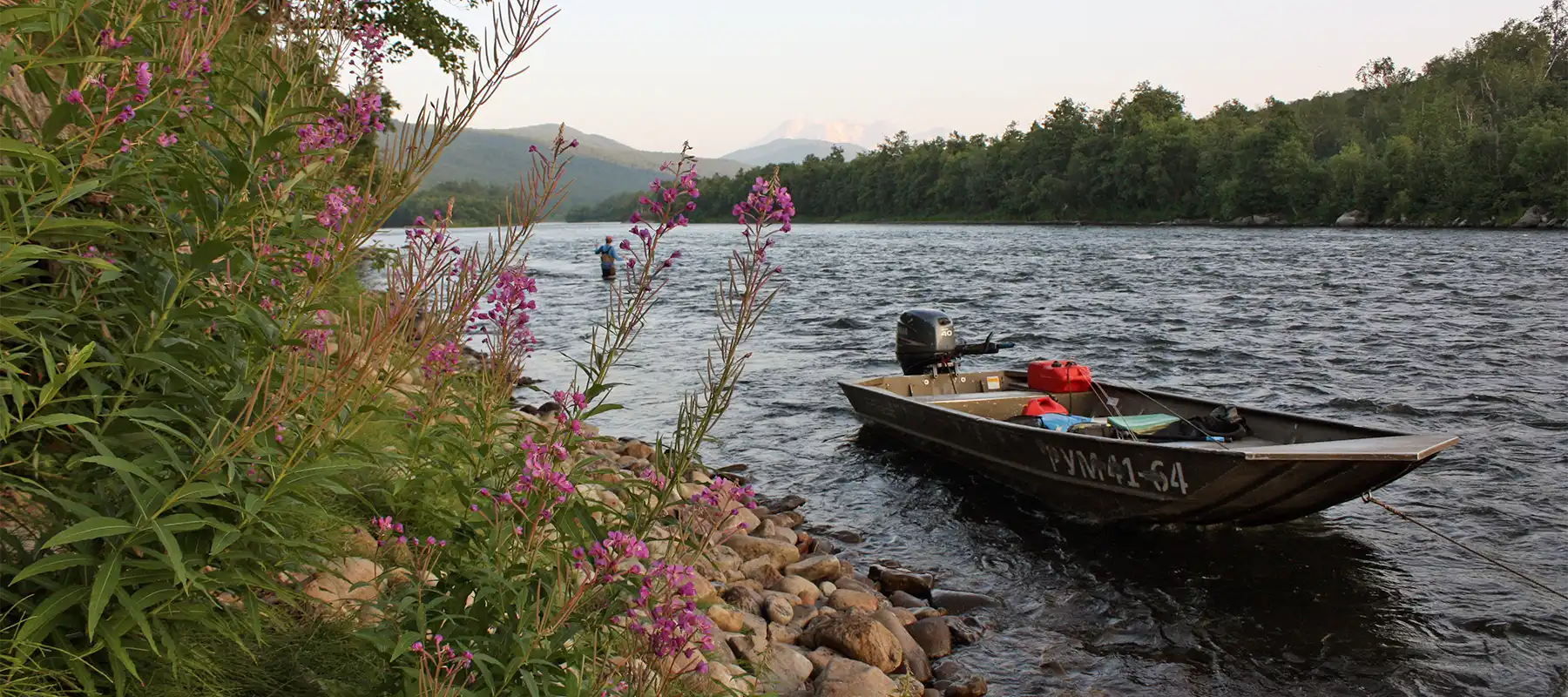
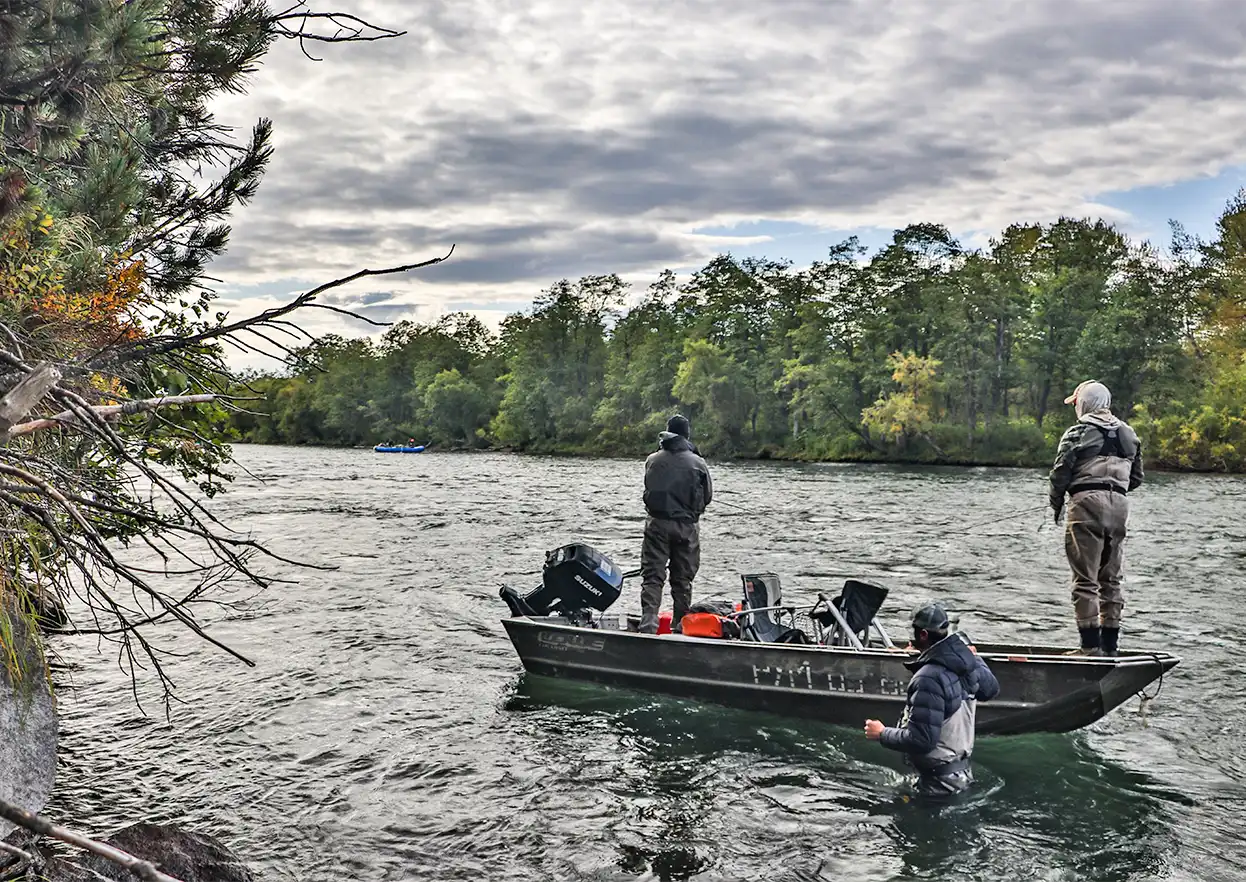
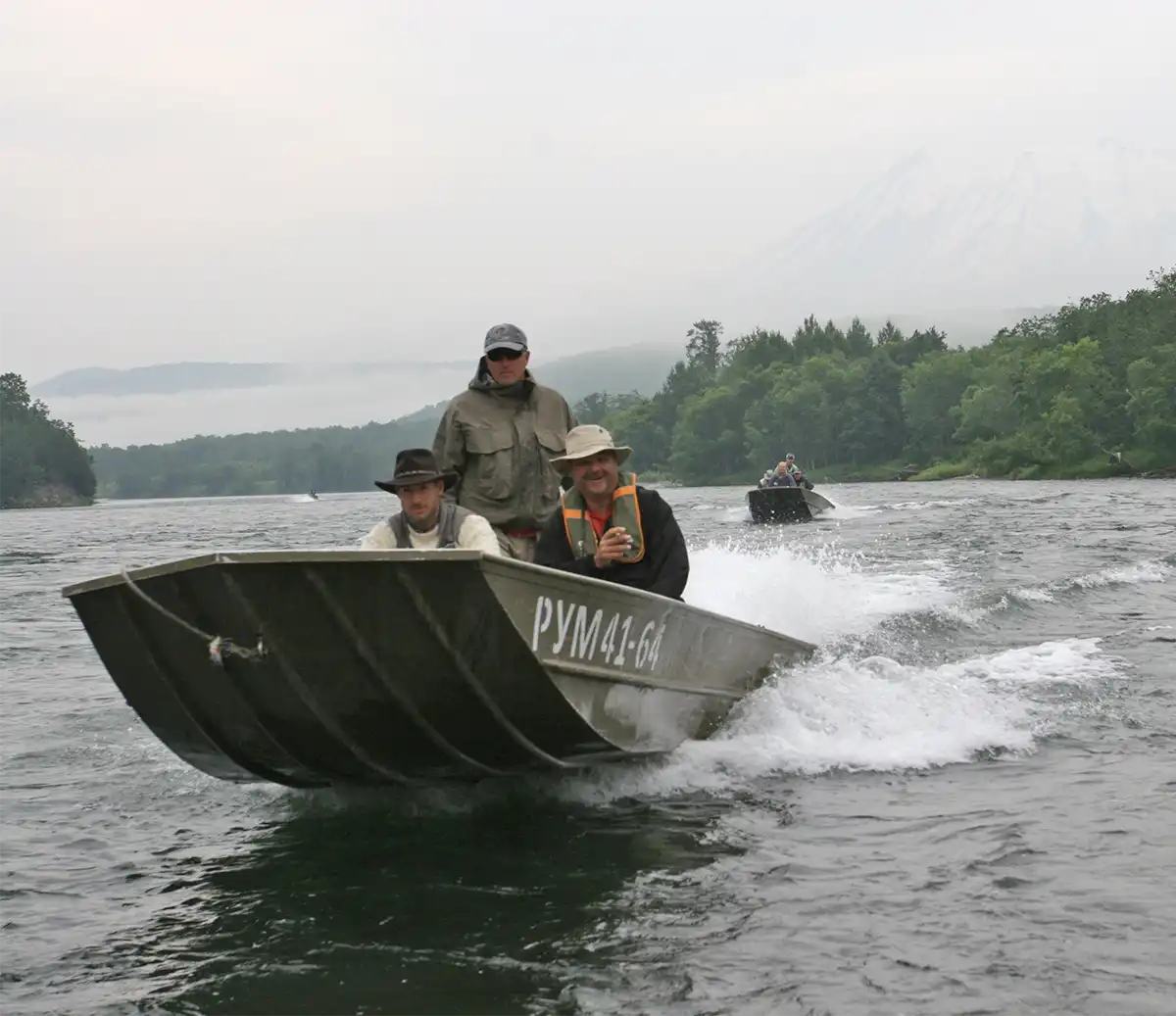
Jet boats are used to access the rarely fished middle sections of the Zhupanova, where most of the fishing is done on foot. These fast-moving boats allow access to the river both above and below the lodge, and gives anglers the ability to fish sections of the river rarely seen by Westerners since the early 2000's.
The Zhupanova River is home to the oldest, largest rainbow trout in Kamchatka. The average trout on this river is 24-28 inches, and trout over 30 inches are hooked almost daily on the river. There may be no better river on Planet Earth to catch the largest trout of your life.
Cedar Lodge is the closest access point to the famed Right Fork, known to have the highest concentration of trophy fish in Kamchatka and accessible only by tank. While it’s not a guarantee, guests fishing out of Cedar may have the rare opportunity to ride in a Russian tank and cast a fly in one of the fishiest places on Earth.
Sample Day:
• 7 am: coffee and tea
• 8 am: breakfast
• 9 am: on the water
• 1 pm: lunch on the river
• 6 pm: back to the lodge
• 7 pm: dinner
All Kamchatka programs employ a guide rotation system, so each group of two anglers spends two days with each guide. Staff consists of one Western Guide and two seasoned Russian guides. Our head guides are talented professionals with years of Russian and/or other international camp management experience, and years of prior experience guiding in other International destinations.
Our Russian guides come from varied backgrounds, usually associated with biology, wildlife management, hunting, trapping or commercial fishing. Fly fishing being a relatively new sport to Russia, our guides come equipped with varying levels of pure fly fishing knowledge. Some are exceptional, having been with us for 10 or more years. Others have been brought on board for their skills as woodsmen and watermen, whose technical abilities are still evolving, but who are in rhythm with the lives and habits of rainbow trout.
There are two fly fishing methods commonly used on the lower Zhupanova River:
Mouse:
Real mice slip and fall into the river from overhanging limbs and grass and then swim like a cork at a down-and-across angle. As they do, they throw small V-wakes off their backs which the trout key to. Anglers replicate this action by plopping their flies against the opposite bank and skittering them out across the river, on tension and under control. What follows has got to be the most exciting thing in freshwater fly fishing. Since a live mouse in the stomach of a rainbow trout can do considerable damage, the fish tend to take the fly with a ferocious, bone-crushing chomp. All this, of course, takes place on the surface, totally visible to the angler. The skill comes in controlling your nerves to NOT set the hook when the fish merely swirls behind it - sometimes 2, 3, 4 or more times - before actually committing.
Streamer:
Salmon smolt and other juvenile fish make up a significant portion of Kamchatka trout and chars' diets. Woolly buggers, string leeches, baitfish and sculpin patterns, 3-6 inches long, all work very well on the Zhupanova throughout the season. Small fish elicit a chase response from their predators, so often it is best to give the fly a little movement as it swings through the water column. When probing for a strike, it's cast to likely structure in the river (tree roots, riffle-pools, rocks, undercut banks, etc.) that offer rest areas adjacent to heavier currents where fish can surprise-attack their food.
Every staff member works to see the smile on your face when you hook up.