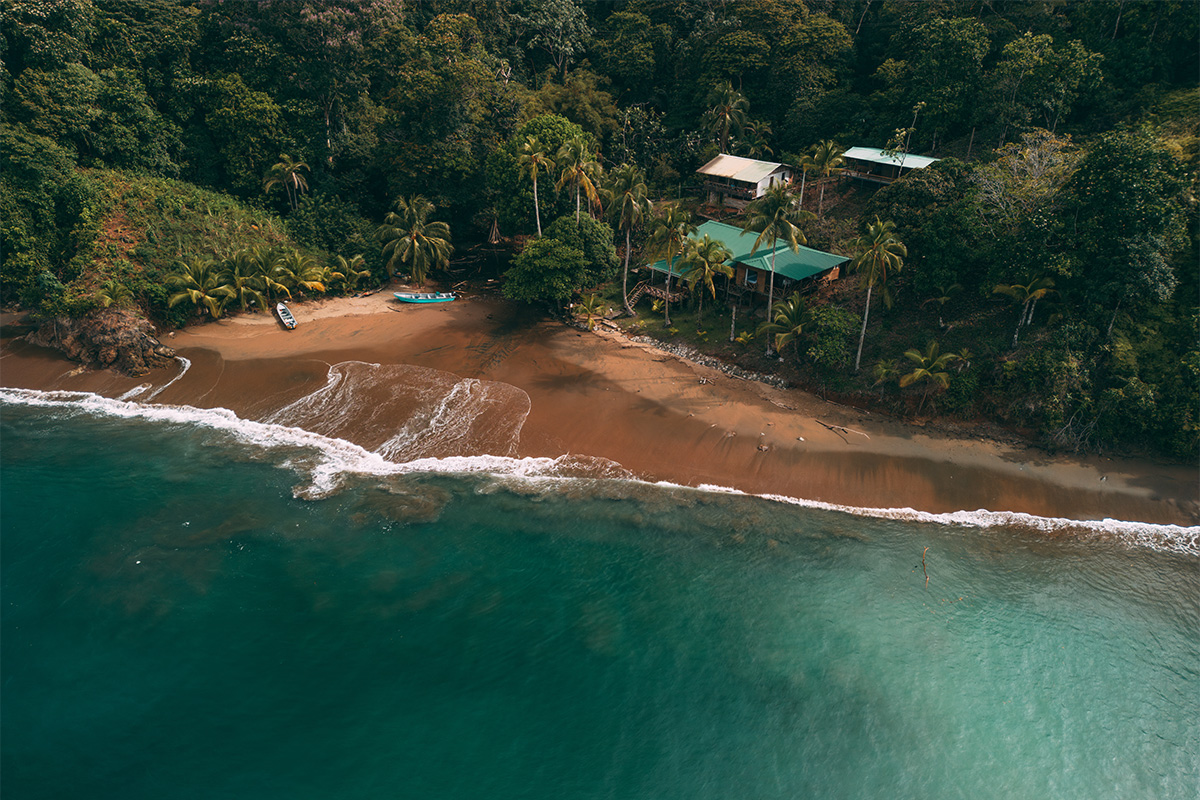
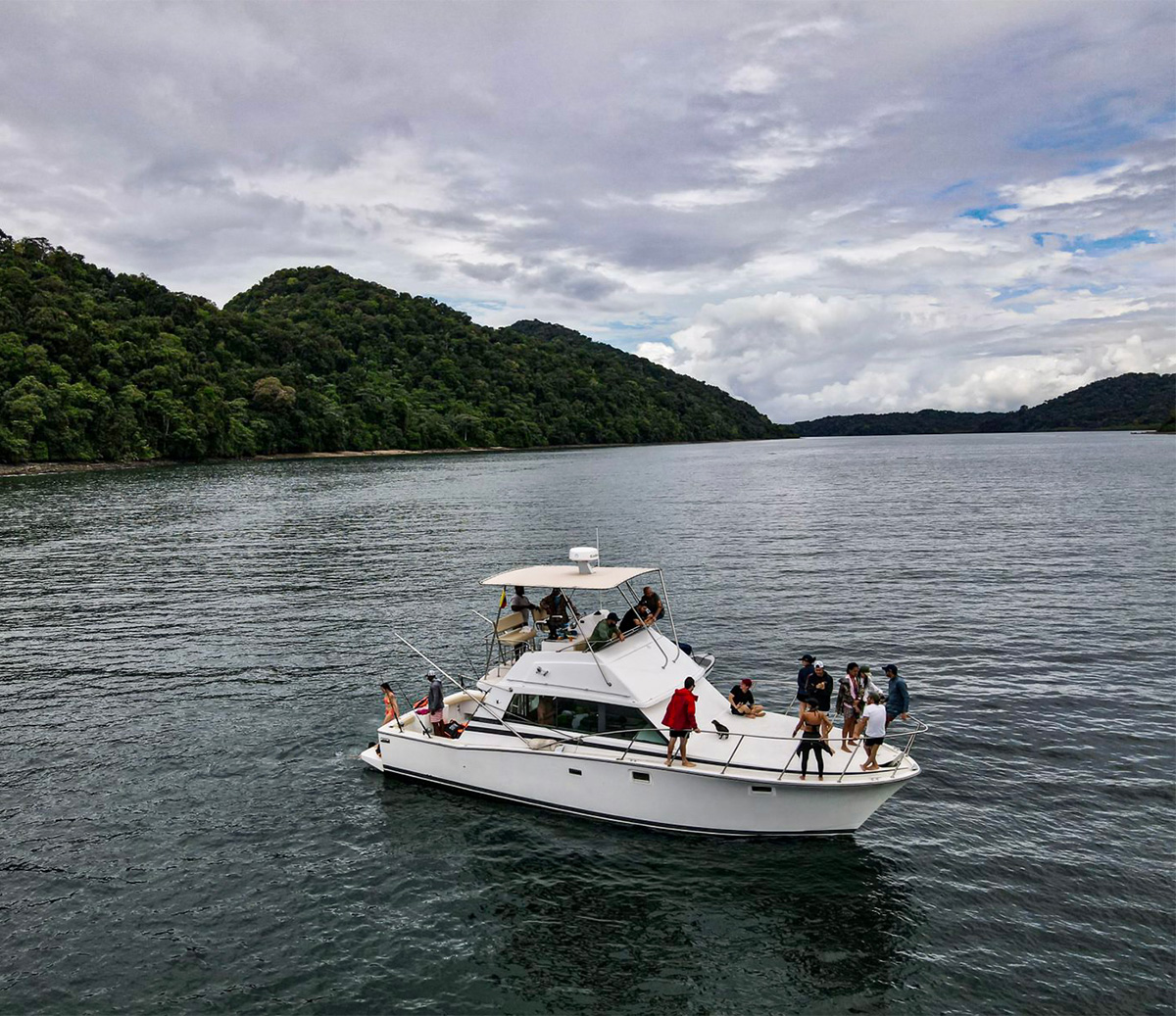
The waters off of the Bahía Solano coast are characterized by a steep continental shelf leading to deep ocean basin depths, often dropping rapidly to over 10,000 feet within 10-20 miles of the shore.
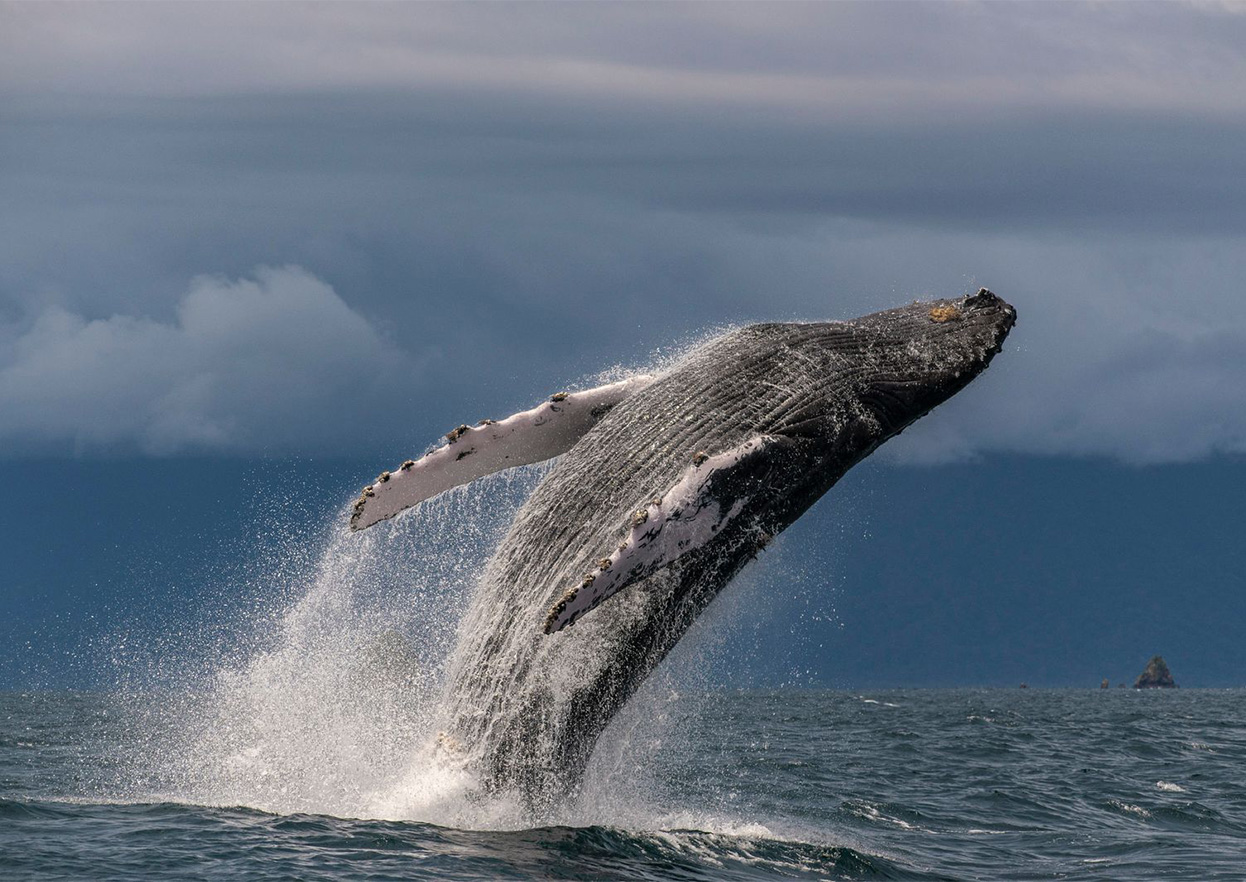
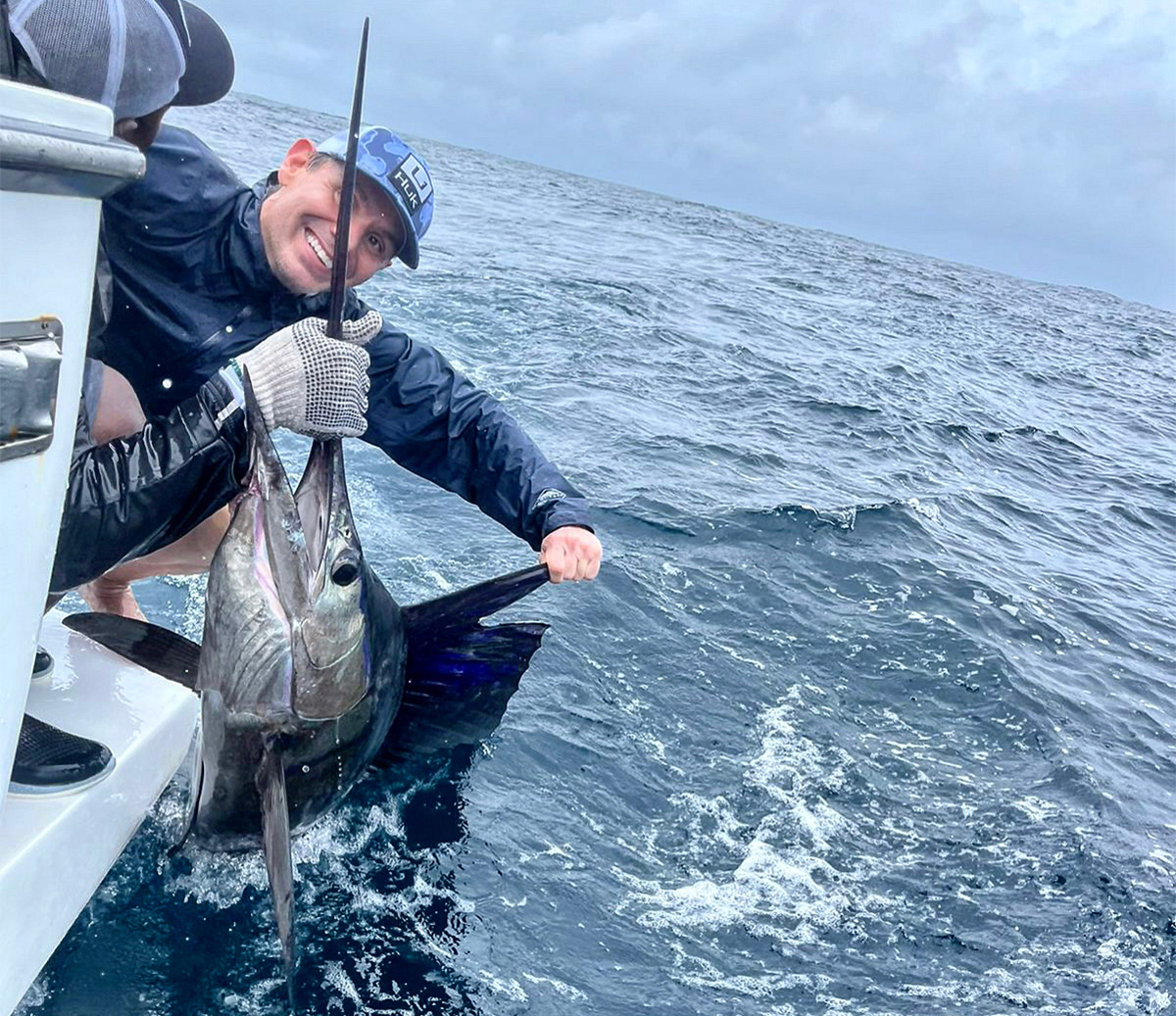
The area is part of the broader Colombian Basin, with deeper sections of the nearby trench systems exceeding 13,000 feet. The Humboldt Current flows north from Chile along the South American Pacific coast, bringing nutrients and bait with the cold, nutrient-rich oceanic stream, renowned worldwide for supporting the richest pelagic life both inshore and offshore. The Humboldt Current interacts with warm, tropical waters in the region off the Colombian coast, forming the Equatorial Front. The mixing of water masses results in high chlorophyll levels and forms a significant hot spot for marine biodiversity. That’s what makes this region so spectacular and why you can catch marlin, tuna, sailfish, dorado, and many other pelagic species so close to the lodge.
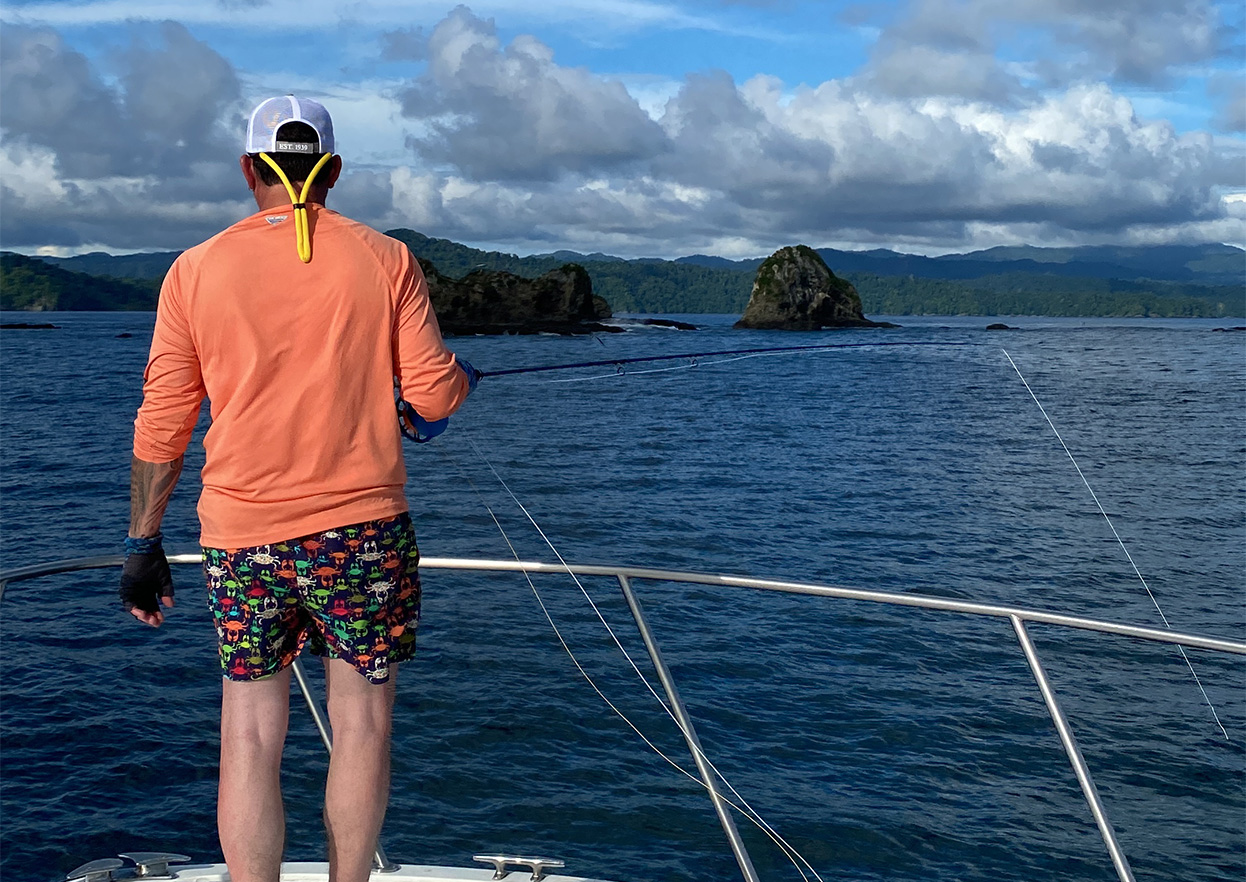
There are also a lot of rock formations near the coast. Spots like Vidales and Cabo Marzo stick out above the water, but below the surface there are tons of structures, so there’s great deep-water fishing happening very close to the lodge.
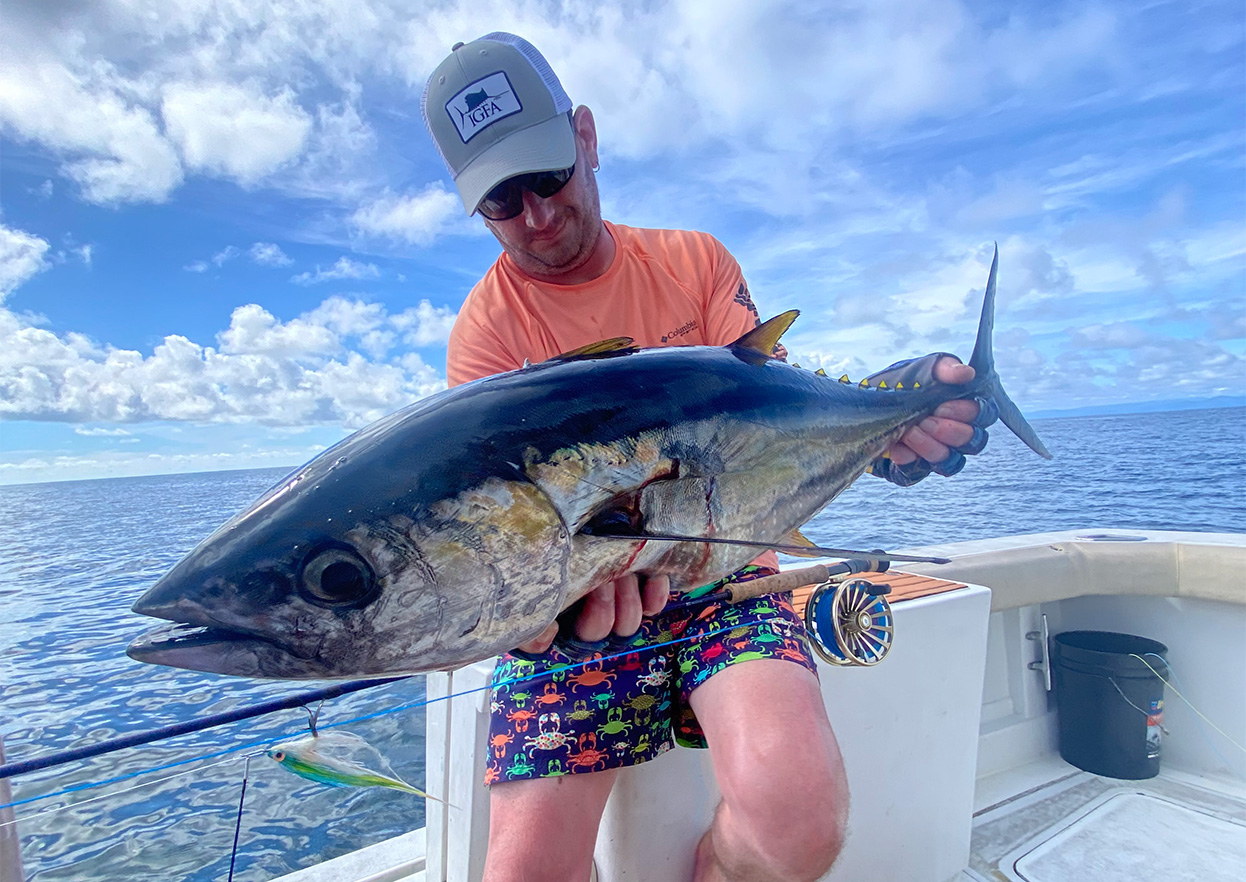
Target species include yellowfin tuna, blue and black marlin, roosterfish, cubera snapper, tarpon, mahi mahi, sailfish, wahoo, and more, depending on the time of year. Fishing techniques vary seasonally.
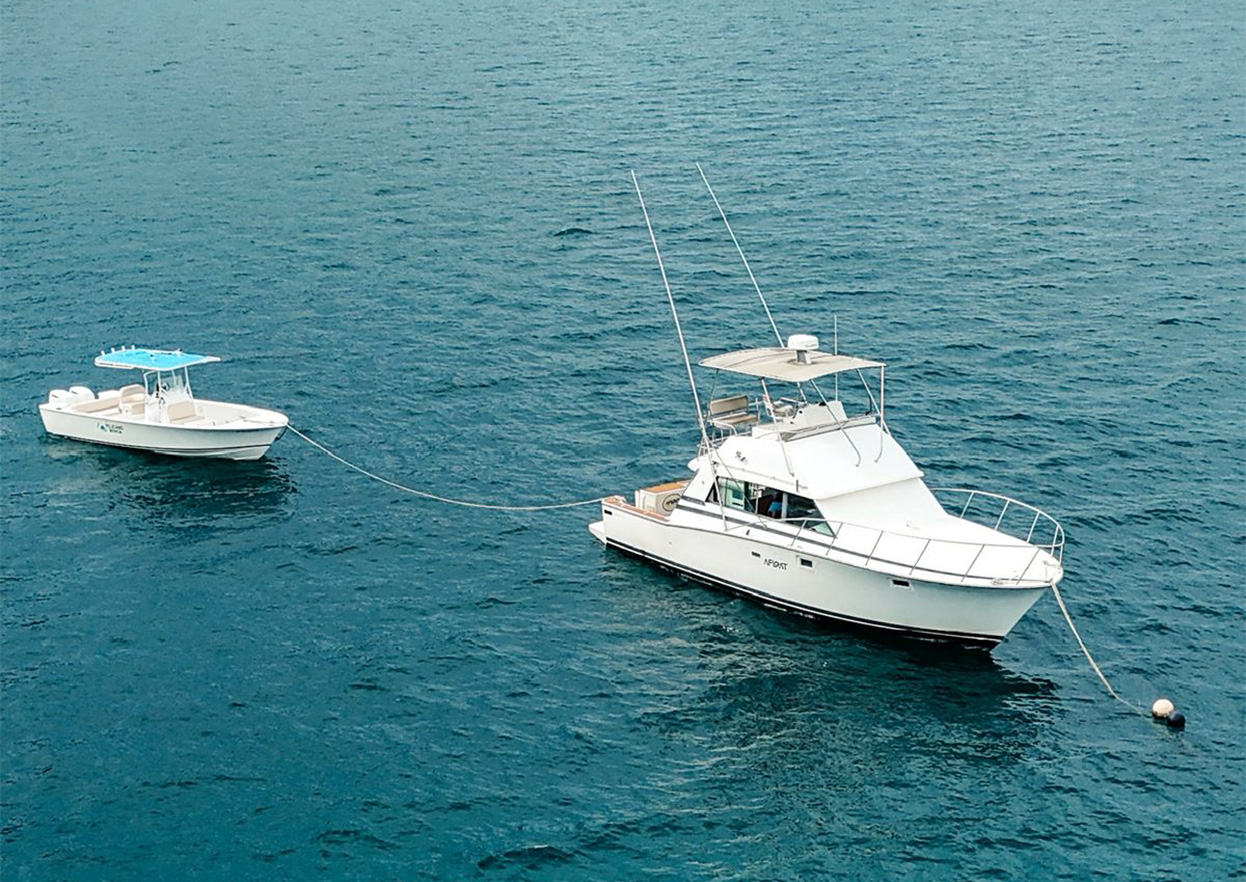
During the sardine migration, the captain focuses on locating massive schools of bait, often identified by diving birds or fish breaking the surface. Once a bait ball is found, the captain carefully maneuvers the boat into position, allowing two to three anglers to cast into the school.
When conditions make it difficult to approach without spooking the fish or when hookups are challenging, the mate may use a spinning rod to cast hookless poppers. Retrieved quickly, these poppers - “teasers” - draw the fish closer to the boat. Once the fish are within casting range, the popper is removed and the angler makes the cast.
When fly fishing for marlin, sailfish and mahi mahi, the best way to catch them is using teasers on outriggers. Teasers are trolled from the outriggers to attract and raise fish to the surface without a hook. These teasers - often large squids or hookless lures - are positioned wide and clean in the spread, creating surface commotion that mimics fleeing baitfish.
As the boat moves along, the teasers draw the marlin’s attention and provoke an aggressive response, bringing the fish up behind the boat. Once a marlin is raised and actively tracking or attacking the teaser, the crew quickly removes it from the water. This transition is critical: the goal is to keep the fish excited and focused while clearing the spread.
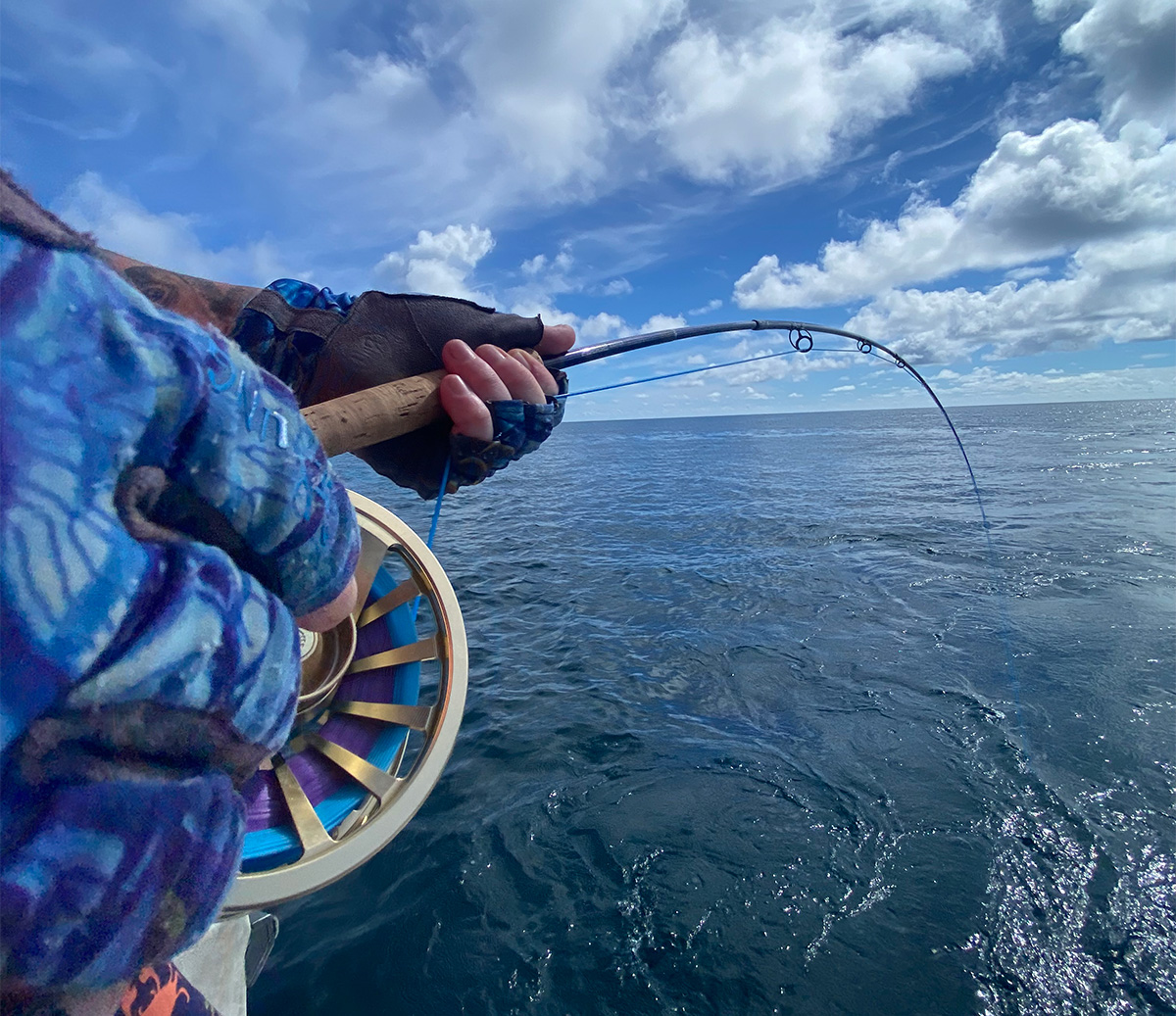
With the teaser removed, the angler immediately casts the fly into the fish’s line of sight and is stripped briskly to imitate a fleeing baitfish. The marlin, already fired up from the teaser, shifts its attention to the fly and commits to the eat, allowing for a very visual hookup on the fly.
Occasionally, during certain circumstances, chum plays a critical role in drawing fish to the boat and creating consistent casting opportunities. Once fish are located, often by spotting surface activity, or diving birds, the captain positions the boat upwind or up-current of the school.
The crew then begins chumming with handfuls of live or dead baitfish, tossing them steadily into the water to establish a natural feeding line behind the boat. This controlled stream of chum keeps the fish engaged, keeping them near the surface and within range.
As the fish move into the chum line, the angler presents the fly to match the size and movement of the free-floating bait. The fly is allowed to sink briefly before being stripped through the school, imitating a fleeing baitfish. With the tuna already keyed in on the chum, strikes are often aggressive and visual, resulting in fast-paced, high-adrenaline fly fishing.