The Upper Rio Parana is a large tailwater system some 70 kilometers below the Yacireta Dam, and this portion of the river forms a substantial part of the border between Argentina and Paraguay. Because it is a tailwater, the water is generally clear, unlike other large rivers in northern Argentina.
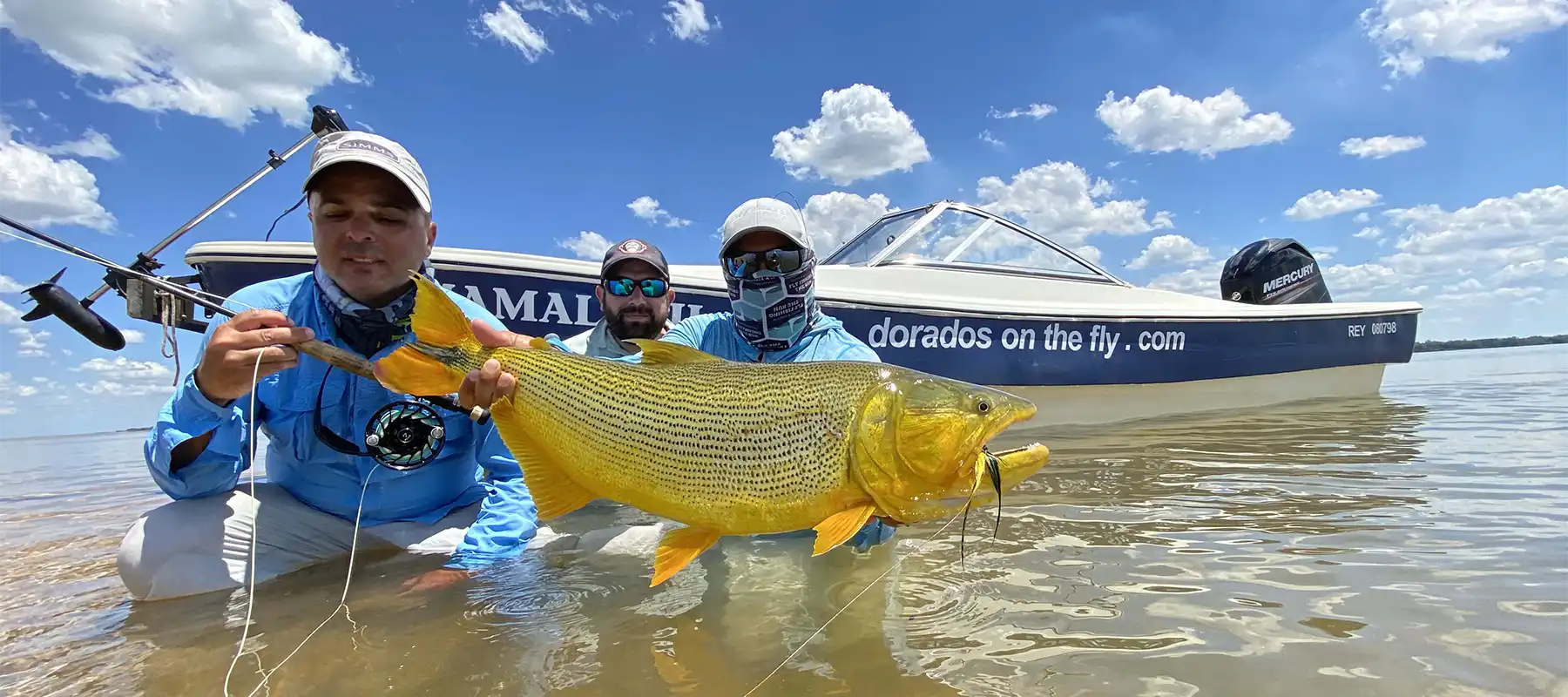
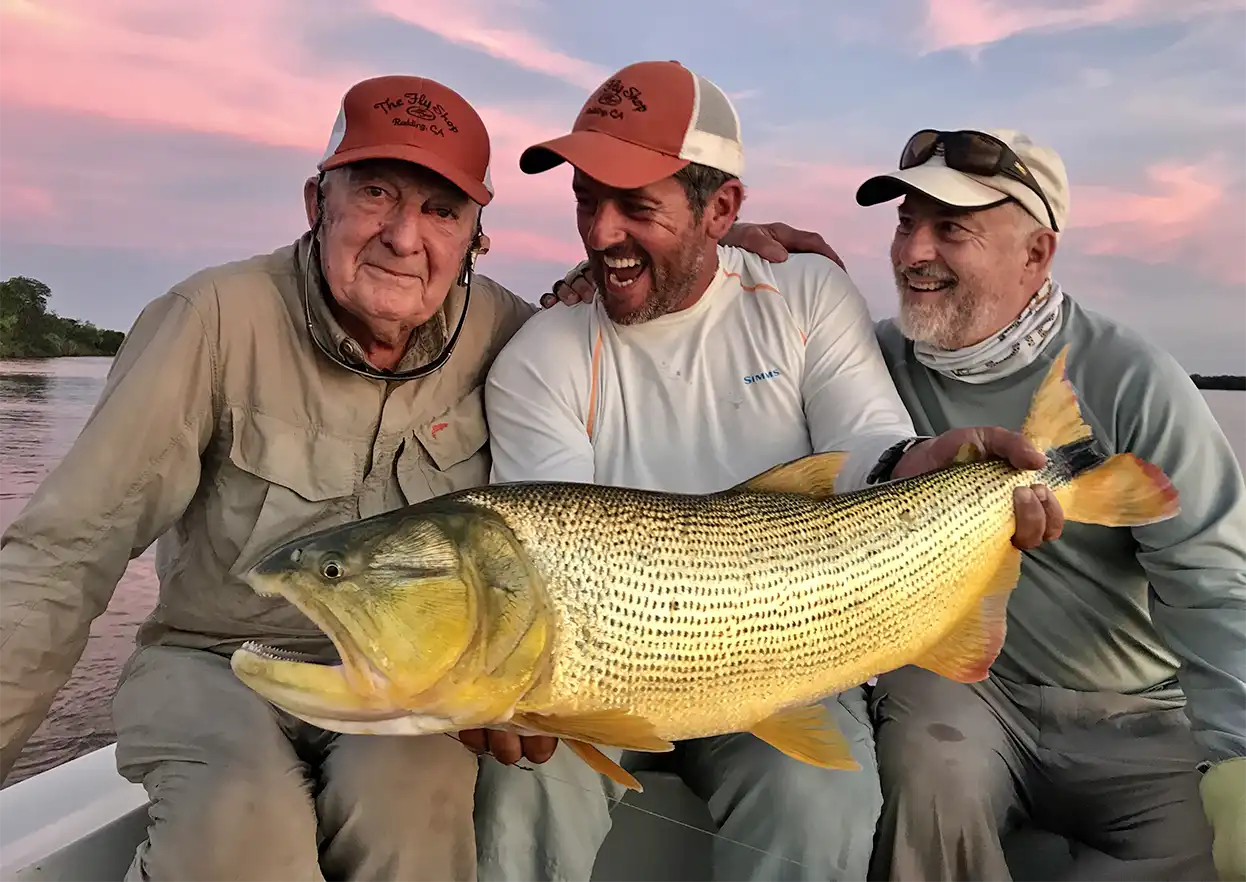
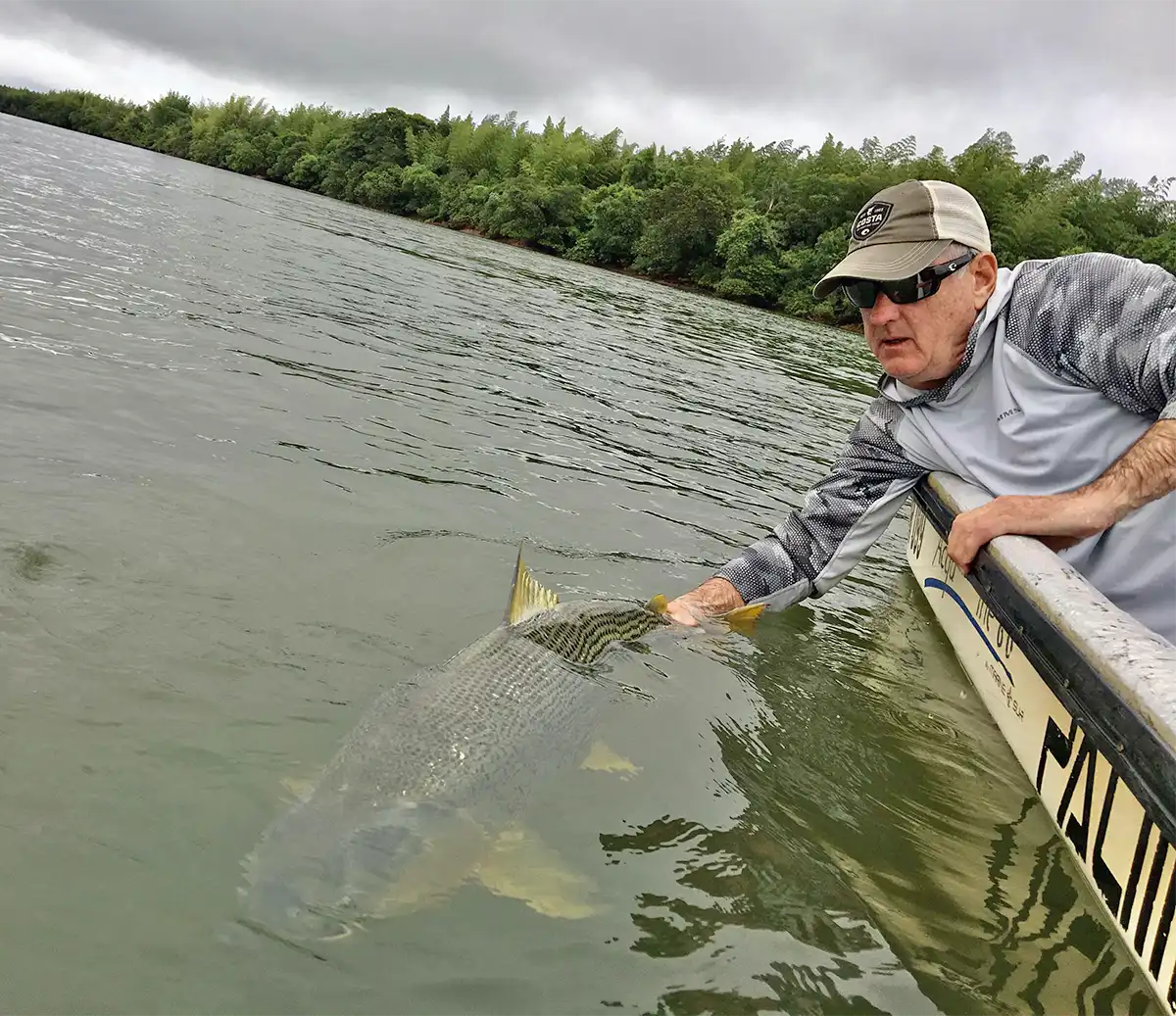
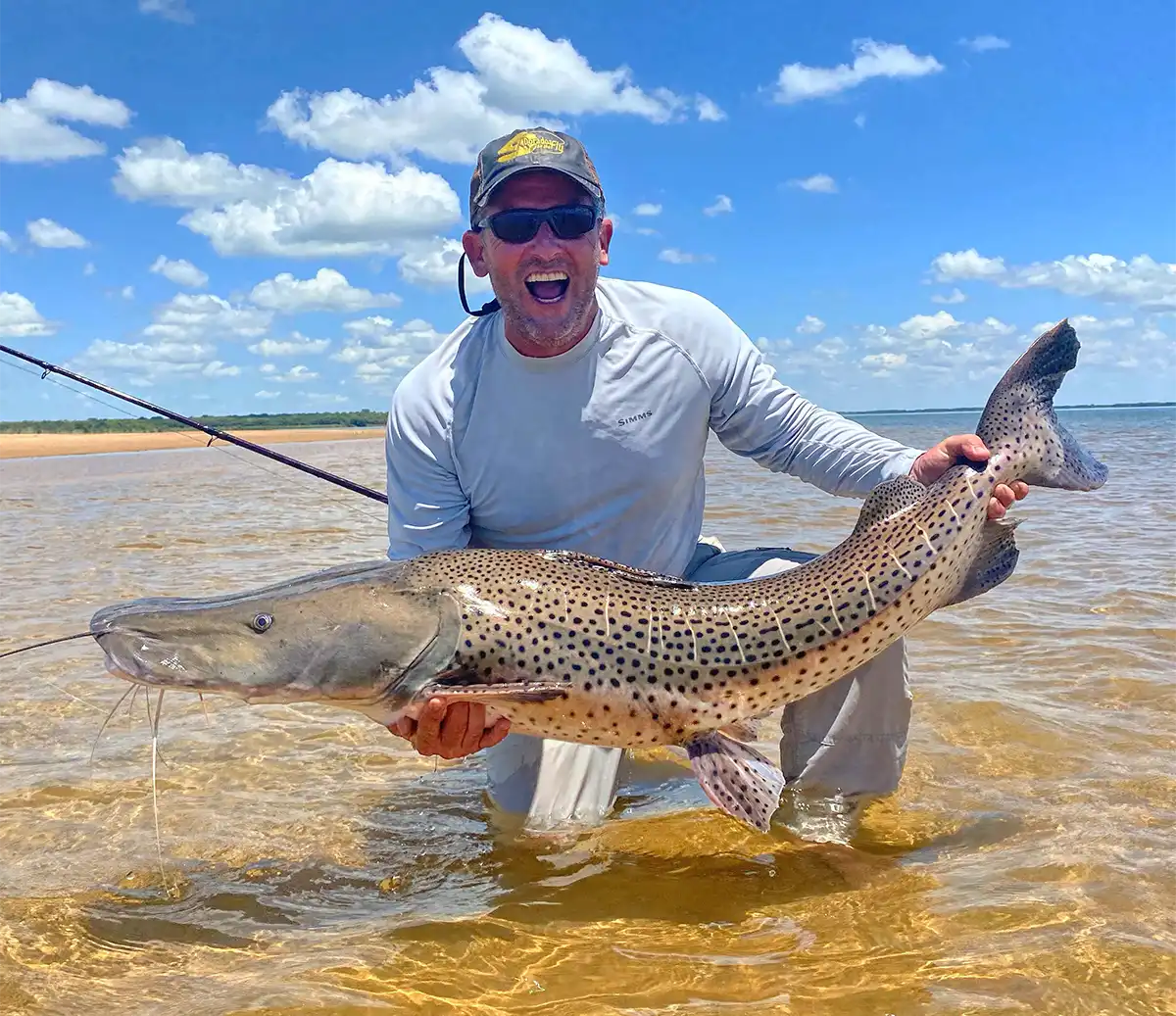
Your main quarry on the Rio Parana will be explosive golden dorado up to about 25 pounds, but most will be 5 to 10 pounds. This is one of the best destinations for dorado anywhere, but don't let that distract you from the other unique angling opportunities available.
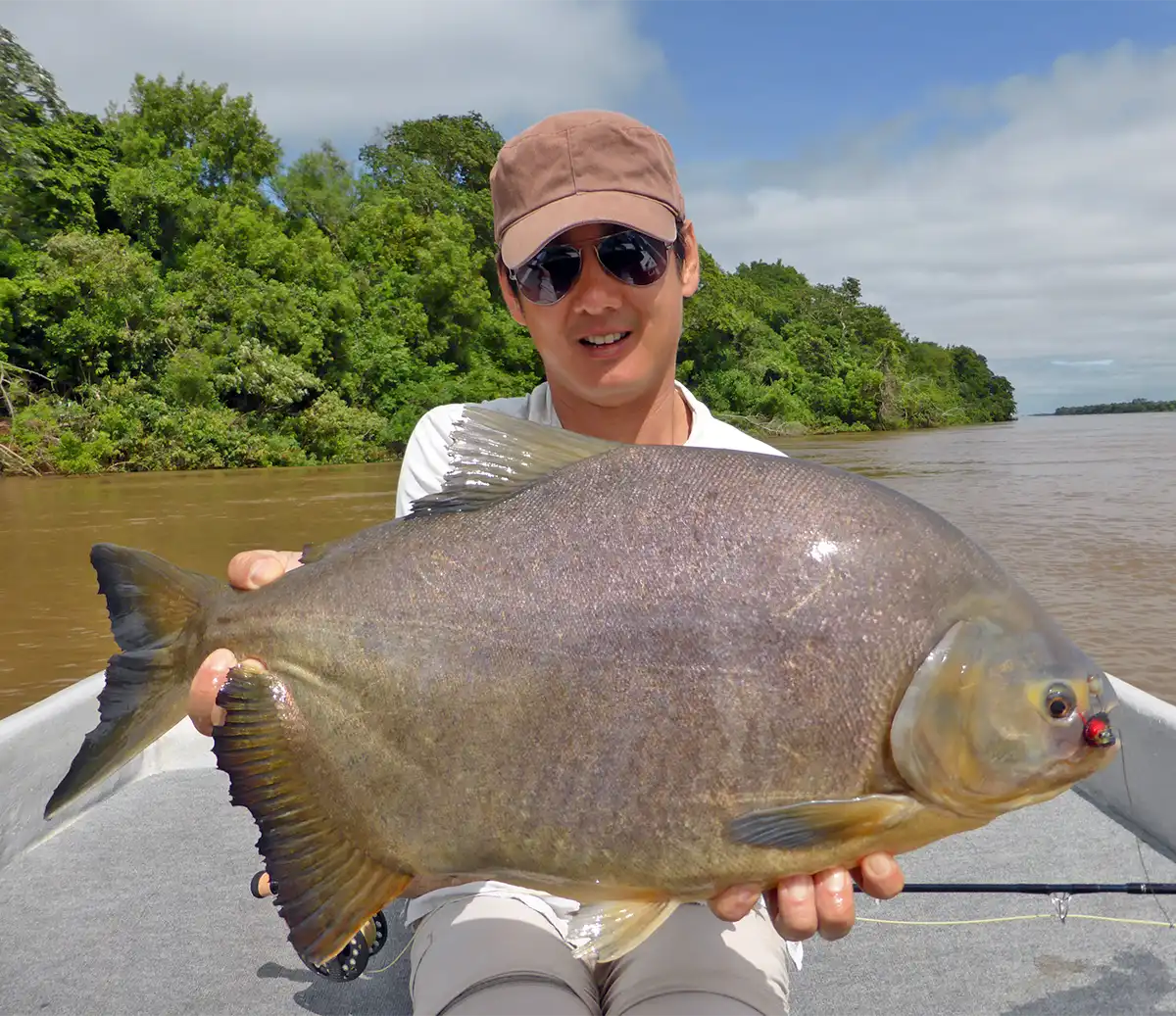
Pacu is considered the permit of Argentina, and is a cult attraction among experienced anglers because of its size and power. Pacu in the 14 to 25 pound range are caught, but most will be 8 to 12 pounds. The pira pita is a smaller fish, to about 10 pounds, and acts basically like a trout. It is called the Parana Salmon because of its red meat, though It looks nothing like a trout or salmon. It is a hard, acrobatic fighter which can be skittish and sometimes hard to hook. Many fisherman go to the Parana just to fish for pira pita, as it is unique to this area. Pacu and pira pita take dry flies, often dead drifted as one would for trout. It is an incredible experience to see one of these big bruisers slowly come to the surface and sip in your bumble bee imitation.
Fishing Day:
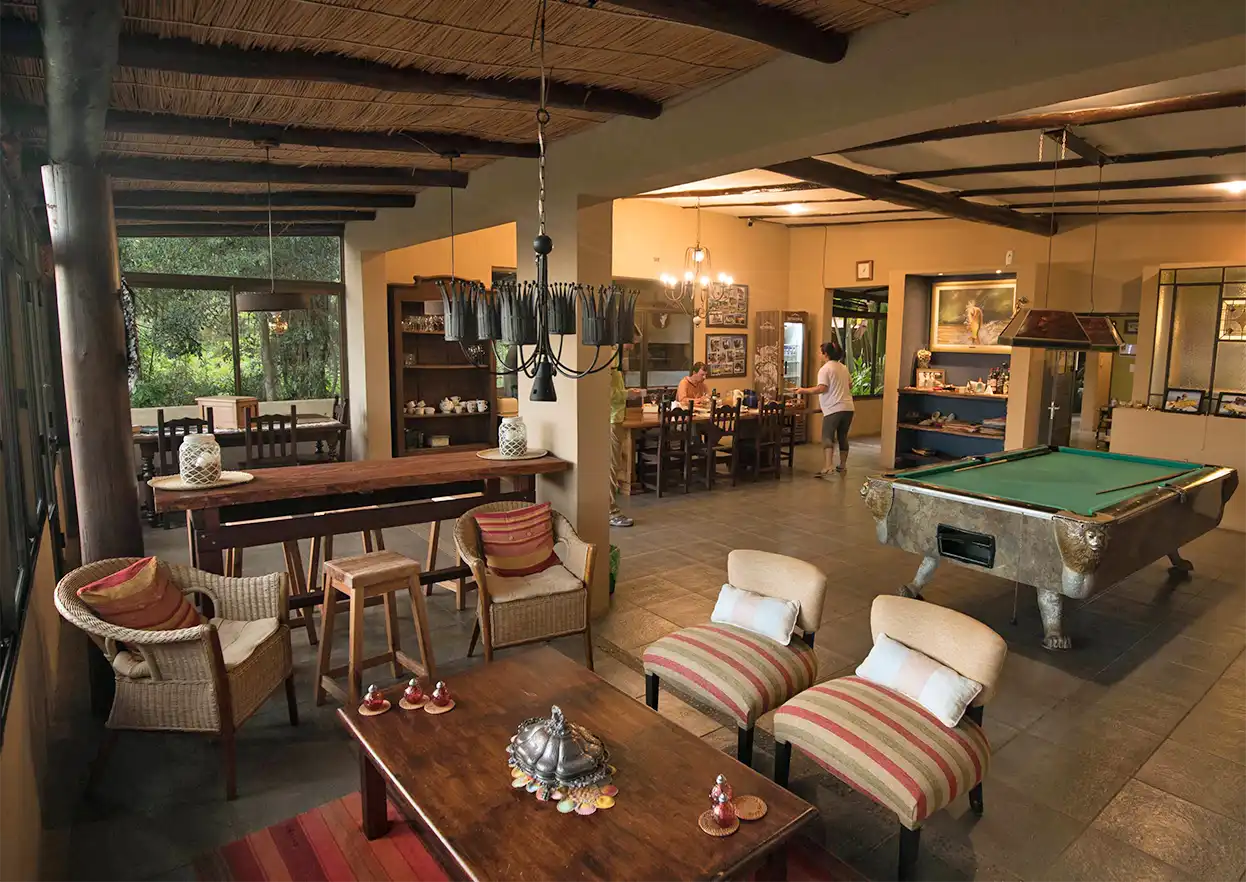
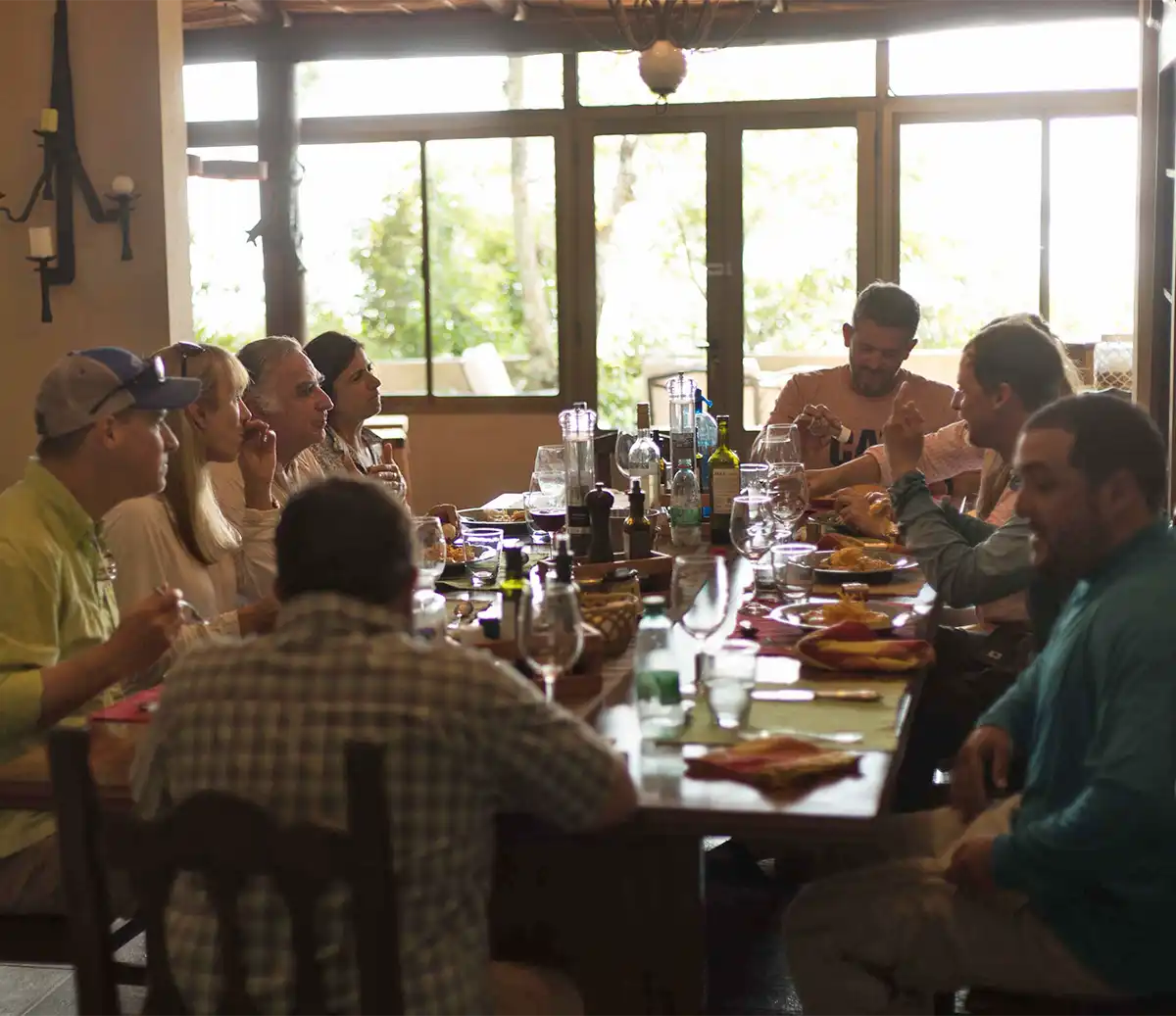
The fishing day is split into a morning and evening session, with lunch at the lodge and a siesta. You will be fishing the side channels (100 km!!) of the Itabate, Yahape and Repeski areas, locations now famous for their concentration of fish. Breakfast, in the summer time, is served at about 7:00 a.m. which allows you to be on the river at first light. Around noon you will break for lunch and a siesta, and then return to the river at roughly 3:30 PM for fishing until dark. This maximizes the most productive bite time, while also avoiding the hottest part of the day. Dinner is served with a nice wine around 9:00 pm after a shower and short period to gather for drinks around the pool table or on the deck.
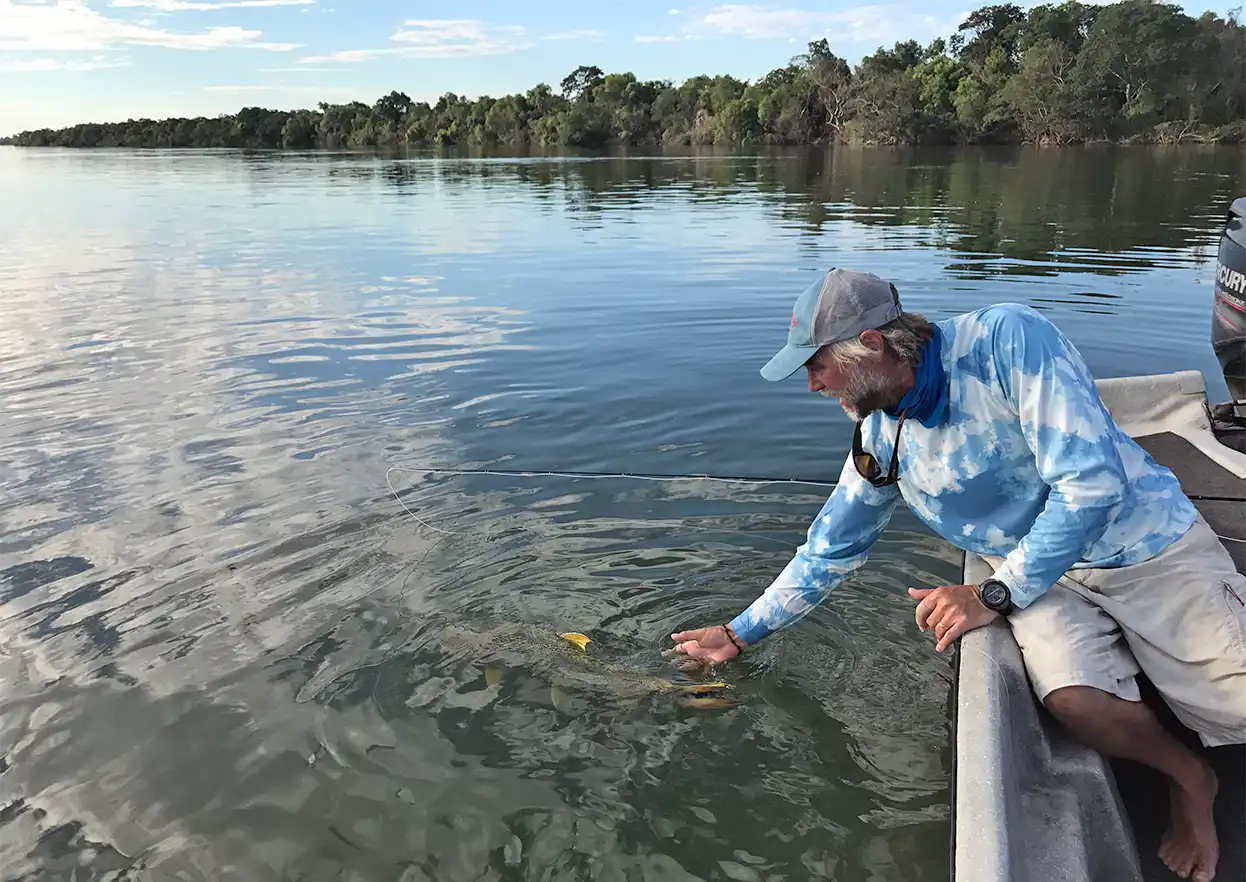
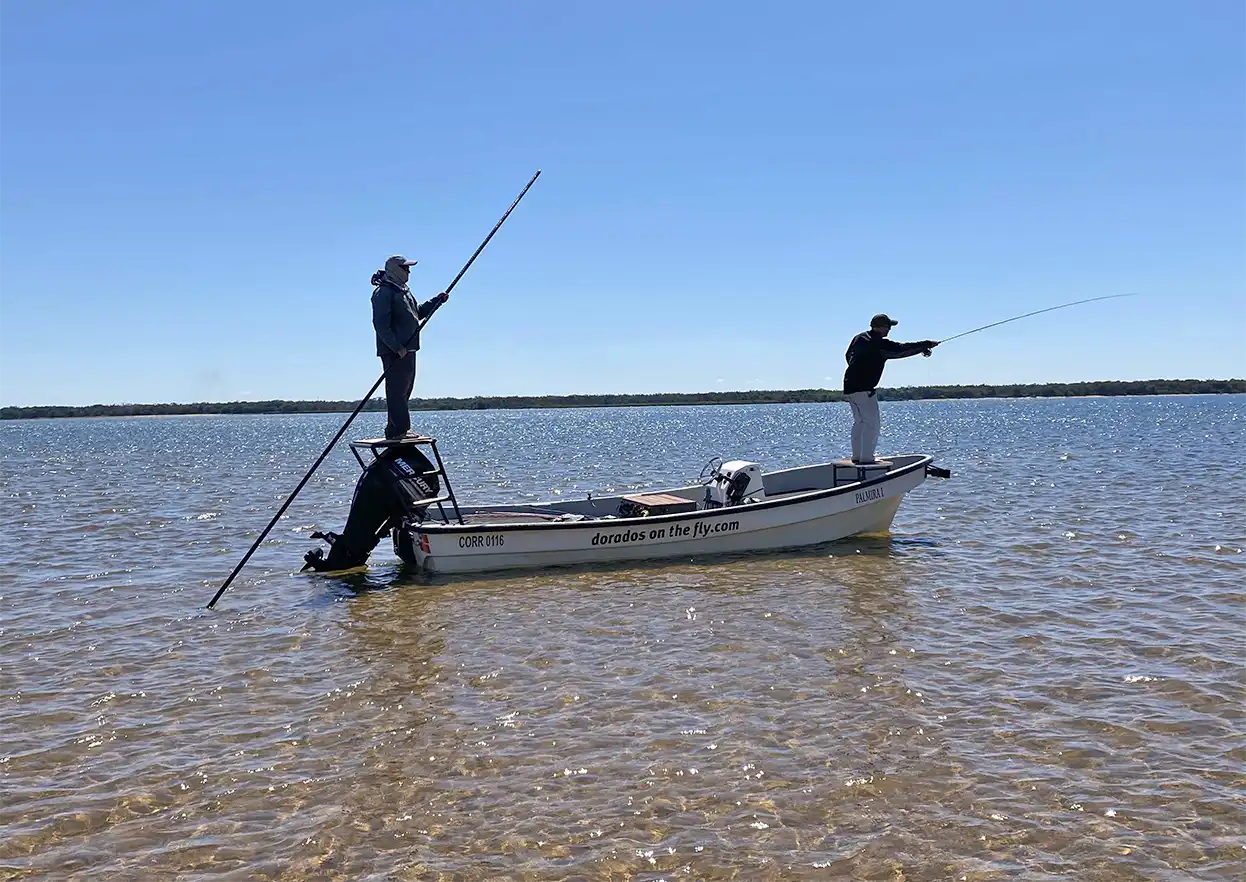
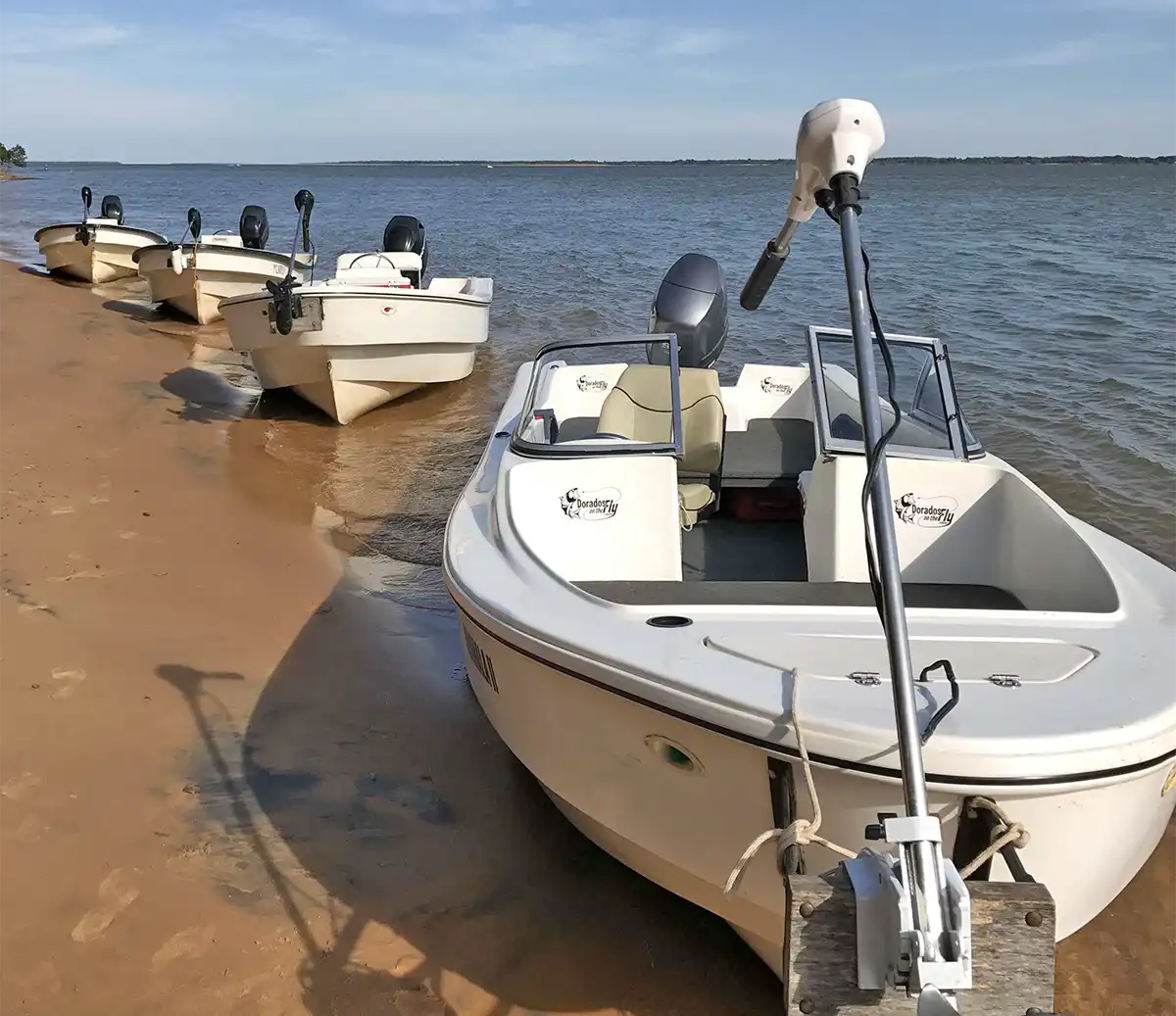
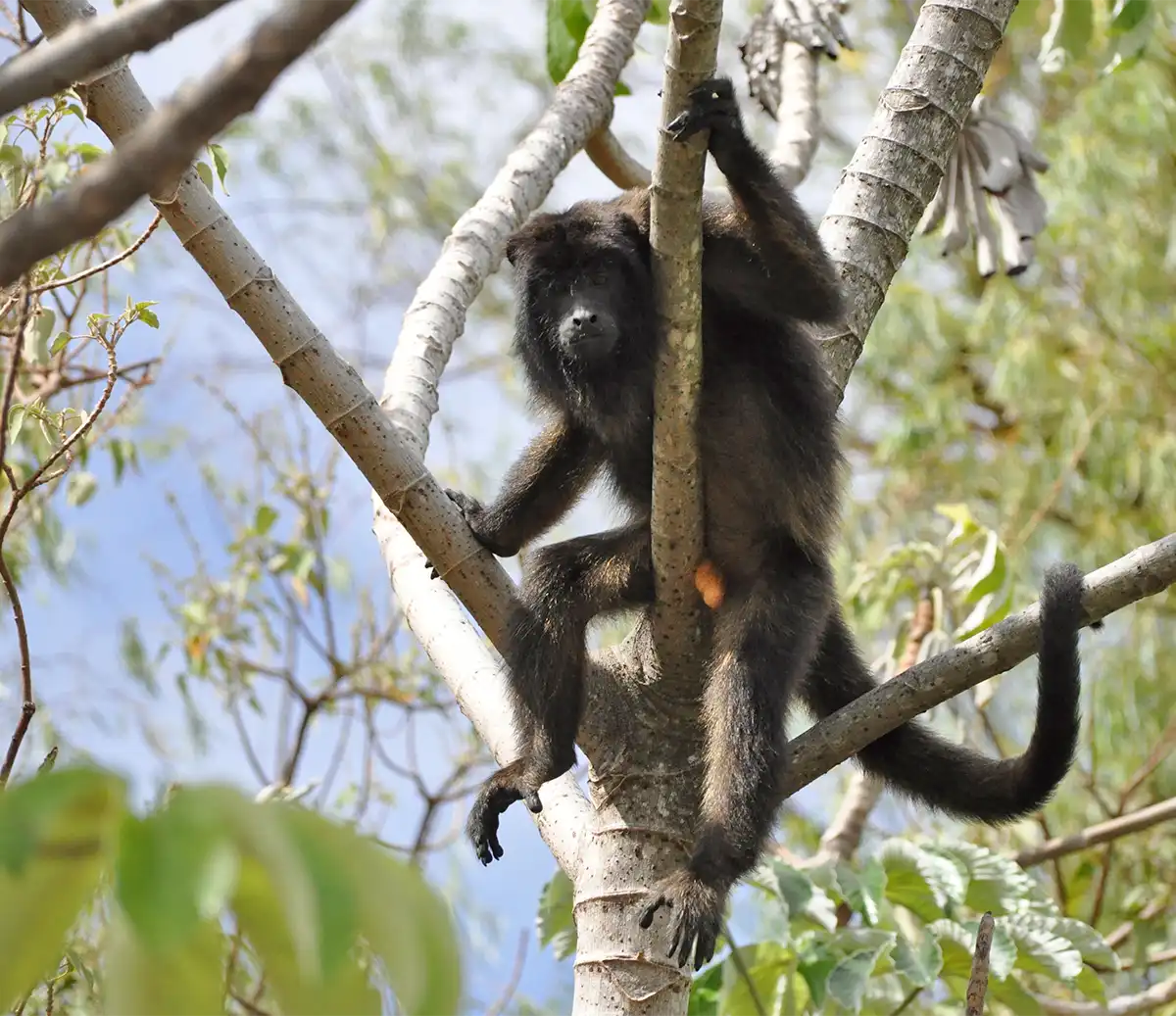
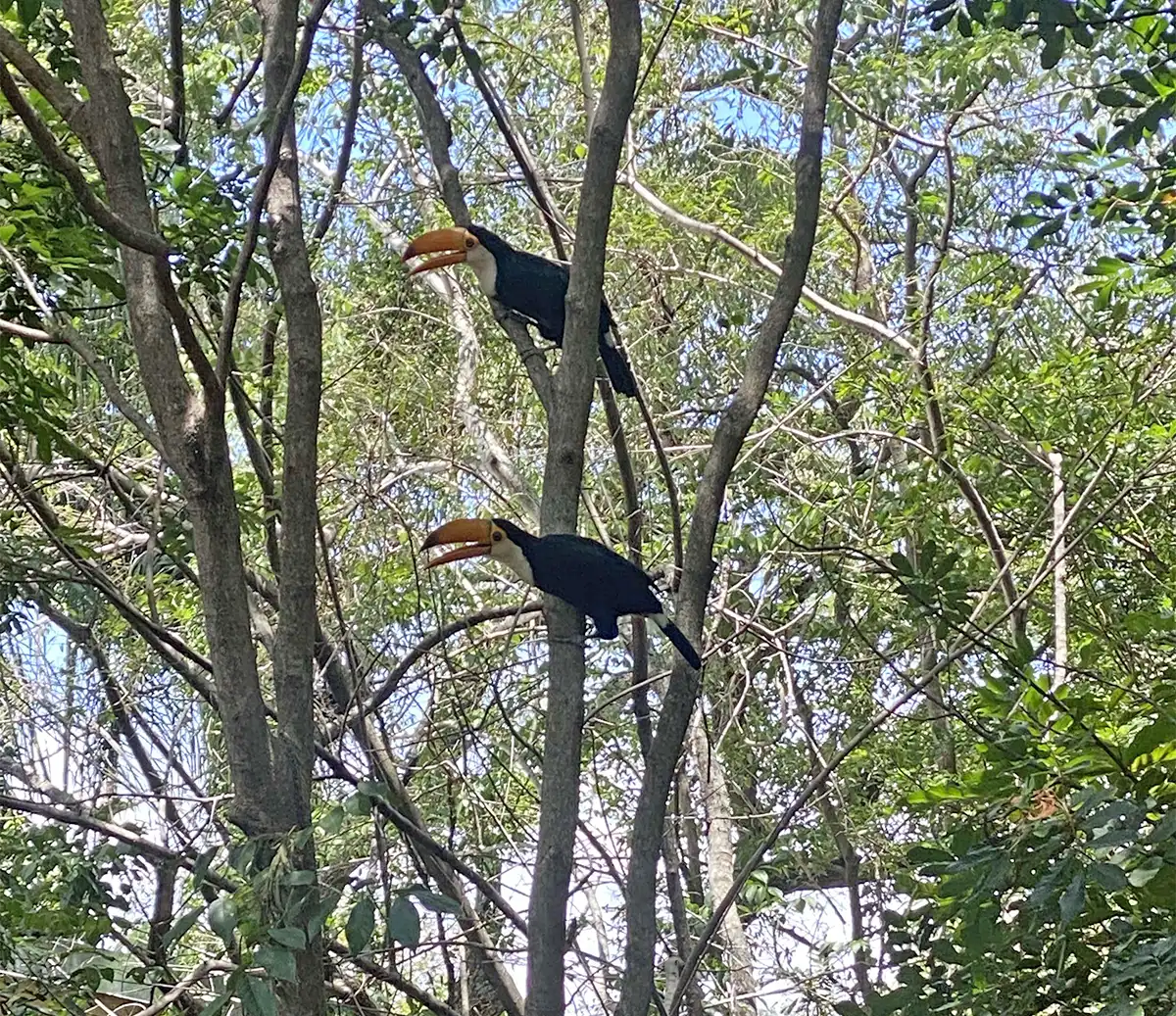
Most of the fishing is done from boats, though when the dam releases a lot of water, it is sometimes possible to wade the small side channels, much like you would a trout stream. Because it is a tail-water, it is not susceptible to low water. The Parana is a huge river, several miles wide in some places, and you will mostly be fishing side channels that are 50 to 150 yards wide. The boats are designed so two fishermen can be casting at the same time. Your guide will keep you in position with an electric trolling motor while you drift downstream parallel to the bank, trying to hit the most productive looking lies along the way. You will be at the same time taking in the verdant ecosystem of the Parana, which is a jungle environment. There are monkeys in the trees, toucans, caiman and an array of other birds and animals.
The nature of the river and its fish rewards competent casters, so it is advisable that you practice your accuracy with big, wind resistant flies. The reason is that much of the fishing is centered on trying to hit specific targets near tree stumps, behind rocks, under overhangs and along cut banks. Accurate casts are paramount to success.
Two guests fish with a professional guide from custom designed skiffs and cover the most productive beats of the river. Even though the river is a giant, guests are always fishing to structure on the bank. The guide controls the skiff with a trolling motor and puts guest in and around rocks, downed trees, and other productive beats. The river is filled with many species of fish, most importantly, the golden dorado. There are many "doraditos" from the 2 to 6 pound range and several shots at fish up to and exceeding 15 pounds are a daily norm.
The Fishing Schedule:
The fishing day is split into a morning and evening session, with lunch at the lodge and time for a siesta. You will be fishing the side channels (100 km!!) of the Itabate, Yahape and Repeski areas, locations now famous for their concentration of fish. Breakfast, in the summer time, is served at about 5:45 AM, which allows you to be on the river at first light (it's a 5-7 minute drive to the boat ramp, into the same property). Around noon you will break for lunch and a siesta, and then return to the river at roughly 3:30 PM for fishing until dark. This maximizes the most productive bite time, while also avoiding the hottest part of the day.