
Respect the Redds
Staying Off Salmon Spawning Beds While Fly Fishing for Trout
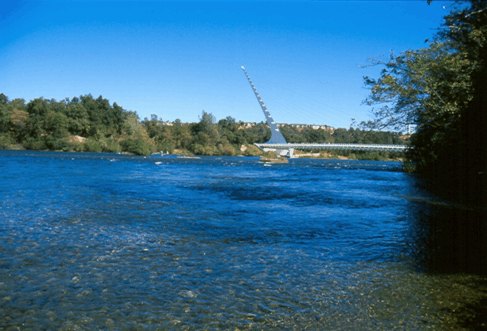
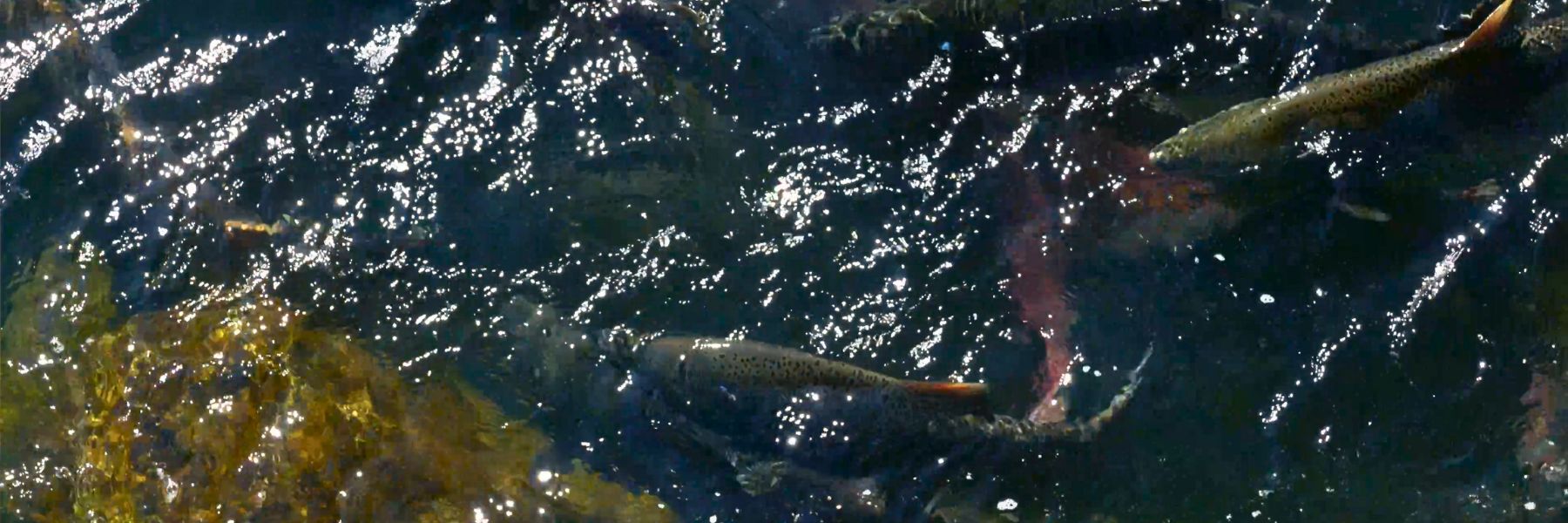
If you spend your fall or early winter days wading a salmon river in search of trout, you’re fishing during one of nature’s most important seasons, the spawn. It’s easy to get caught up in the excitement of hungry rainbows feeding behind spawning salmon, but it’s also the time when a little awareness and restraint can make a huge difference for the future of the fishery.
Here in Northern California where The Fly ShopⓇ is located, We have several runs of Chinook salmon that visit us on the Lower Sacramento River. The Fall run is the largest of these and this year there has been a great return of these egg-wagons heading to the upper reaches of the river to do their thing.
It’s an exciting time for trout fisherman as the trout feed heavily on eggs below the spawning salmon. At times they seem to feed with reckless abandon as they dart back and forth gobbling up every little pink and orange ball they see. The fishing this time of year can be off the charts.
With the salmon numbers declining over the last couple of decades it’s great to see a solid return again in our home river. However, we need to be mindful to take care of these spawning areas and not damage the redds as we chase after the rainbows that dwell in the vicinity looking for a quick protein-packed meal.
What’s a Redd?
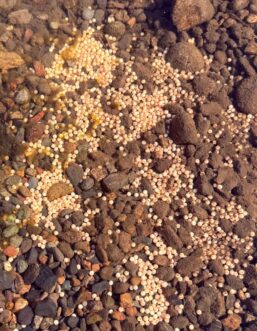
A redd is a salmon’s nest – a shallow depression in gravel that the hen salmon digs out with her tail in order to lay her eggs. You can usually spot them in knee-deep, gravelly sections of the river with good current and oxygen flow. The gravel looks cleaner and
lighter than the surrounding riverbed, almost as if someone swept it with a broom. Often, you’ll see salmon actively paired up over these areas or hovering just downstream guarding them.
Those subtle patches of clean gravel might not look like much, but they’re the nursery for the next generation of salmon and an incredibly important resource for the trout population.
Why It Matters
Wading through or standing on redds crushes salmon eggs buried in the gravel. Even a single misplaced step can destroy hundreds of developing eggs. Worse yet, wading through redds can stir up silt that suffocates eggs downstream. These are small, unseen impacts that add up fast, especially on rivers with heavy fishing pressure and declining numbers.
Healthy salmon runs mean healthy trout populations. Those eggs and fry provide the nutrients and forage that keep our wild trout thriving. Protecting redds isn’t just about being ethical. It’s about taking care of the very resource that fuels our best days on the water.
How to Spot and Avoid Redds
- Look before you step: When you’re wading in shallow riffles or tailouts during spawning season, take a moment to study the bottom. Clean, bright gravel will likely be a redd.
- Stay off the light spots: Walk on darker, undisturbed gravel or deeper water sections whenever possible.
- Don’t fish directly over spawning salmon: Target trout below the spawners – that’s where fish are feeding on drifting eggs – without disturbing or worst yet, foul hooking a spawning salmon.
- Educate others: If you see someone unknowingly wading through a redd, kindly explain what’s going on. Most anglers simply don’t realize the impact.
Fish Smart – Fish for the Future
It’s easy to think your one pair of boots won’t make a difference, but they do. The small actions we take on the water today directly shape the fishing we’ll have tomorrow.
By staying aware, keeping our boots off the redds, and fishing with respect, we help ensure that the cycle continues and that the salmon keep returning, the trout keep feeding, and the rivers keep thriving.
So next time you’re knee-deep in a gravel run with trout scarfing eggs behind spawners, take a second to pause, look down, and remember the future of the fishery is right beneath your feet.